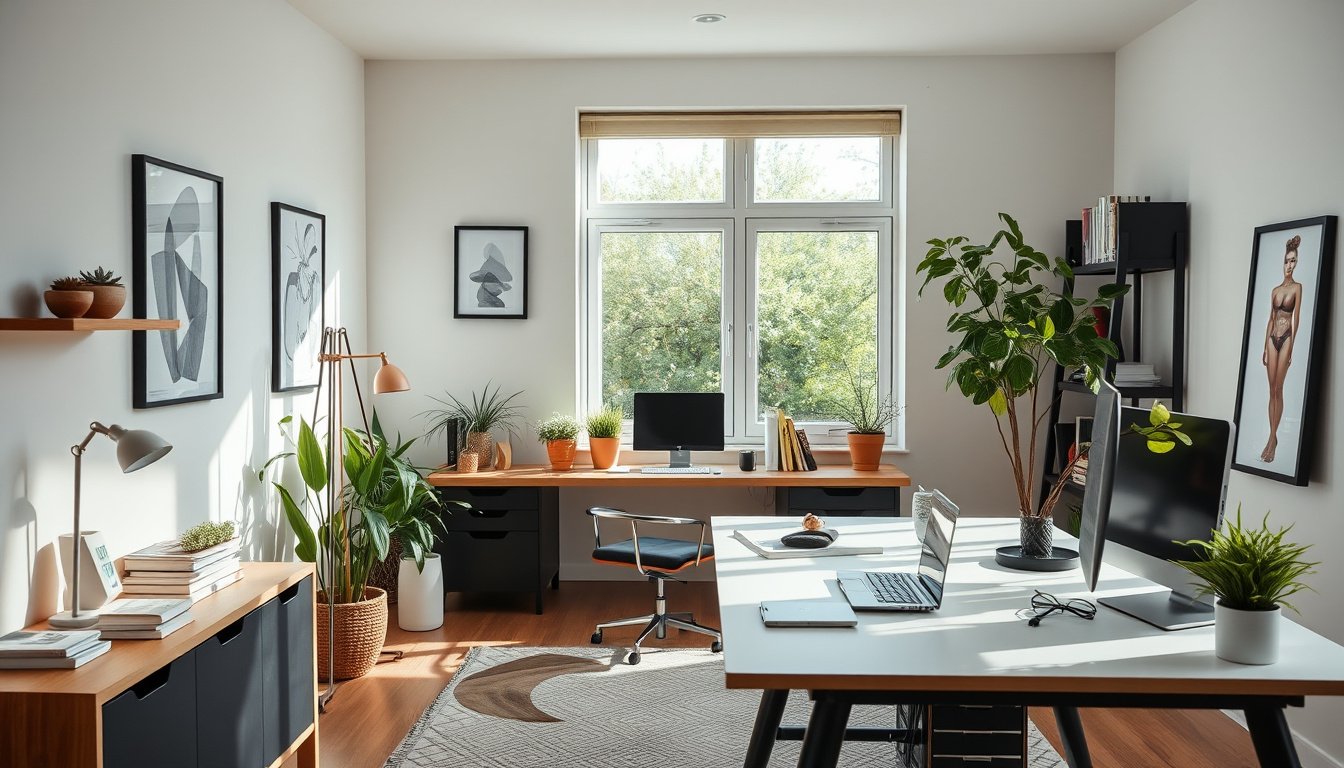
A well-designed home office can boost your productivity by up to 30%. As remote work becomes the norm, the importance of a dedicated workspace is paramount. An effective home office setup can transform any corner of your home into a hub of creativity and efficiency, making it easier to concentrate and complete tasks. Ergonomic furniture and thoughtful workspace design play crucial roles in achieving this. According to a study by the American Psychological Association, a well-organized office space can enhance focus and reduce stress. By the end of this guide, readers will be equipped with practical tips to build a home office that suits their needs and maximizes productivity. Get ready to create your dream workspace, complete with essential office supplies and design elements that inspire. That context is exactly why How to build a home office deserves a clear explanation.
What is a Home Office and Why Do You Need One?
A home office isn’t just a corner with a laptop. It’s a dedicated workspace designed for productivity, creativity, and focus. In an era where remote work is increasingly common, having a well-structured home office setup can be the difference between a chaotic workday and a productive one. Without this designated area, distractions abound, leading to inefficiency and frustration. That’s where How to build a home office changes everything.
Take, for example, a small business owner who set up a home office. By transforming a spare bedroom into a workspace, they reported a 30% increase in productivity within weeks. The separation from household distractions allowed for deeper focus and better time management. But How to build a home office isn’t quite that simple in practice.
Surprisingly, many believe that a home office needs to be expansive or lavishly furnished to be effective. In reality, it’s the ergonomic furniture and thoughtful workspace design that make a difference. A simple desk and chair can be elevated to productivity tools with the right layout and supplies. Consider this: a well-organized space with essential office supplies can minimize time spent searching for things, allowing for more time on actual work. That’s where How to build a home office changes everything.
Ultimately, a home office is not just a luxury; it’s a necessity for anyone serious about their work-from-home experience. When pondering how to build a home office, remember that creating a space tailored to individual needs is key to unlocking potential.
How to Choose the Right Space for Your Home Office?
Choosing the perfect spot for a home office can feel like searching for a needle in a haystack. Most people overlook the importance of natural light. A bright, sunlit area can boost mood and productivity, while a dim corner can lead to fatigue. Imagine working in a well-lit room where creativity flows like coffee on a Monday morning. The problem? Most guides skip the How to build a home office part of the process.
Next, consider the noise level. She might think a busy living room is ideal, but distractions abound. A quiet nook or an unused bedroom can provide the peace needed to focus. For instance, a survey found that 70% of remote workers with a dedicated space reported higher productivity compared to those without. But How to build a home office isn’t quite that simple in practice.
Space requirements matter too. Ergonomic furniture is essential. A cramped setup leads to discomfort, affecting work quality. Evaluate how much space is needed for office supplies, a desk, and perhaps a comfy chair. A larger area allows for better organization and less clutter. Here’s where the How to build a home office details get tricky.
Finally, consider the vibe. Does the space inspire? A home office setup should reflect personal style while encouraging productivity. A little creativity in workspace design can transform a mundane room into a haven for inspiration. Ultimately, when pondering how to build a home office, remember that the right location is foundational for success.
What Essential Equipment Do You Need for a Home Office?
Creating a productive home office requires thoughtful selection of equipment. Without the right tools, productivity may plummet. Here’s a quick rundown:. Here’s where the How to build a home office details get tricky.
- Ergonomic chair — A chair that supports good posture can reduce fatigue and discomfort during long hours.
- Desk — A spacious, sturdy desk allows for an organized workspace, accommodating all necessary equipment.
- Computer — A reliable computer, whether a laptop or desktop, is crucial for all tasks, from emails to video conferences.
- Monitor — An additional monitor can significantly enhance multitasking and reduce eye strain.
- High-speed internet — A strong connection ensures smooth video calls and quick data transfers.
Most remote workers underestimate the impact of ergonomic furniture on their daily performance. A 2023 study revealed that employees using ergonomic setups reported a 20% boost in productivity. Why? Comfort leads to focus. When pondering how to build a home office, don’t skimp on these essentials. Investing in the right equipment transforms a basic setup into a productivity powerhouse.
How to Create a Productive Work Environment?
Crafting a workspace that truly enhances productivity is an art form. First, incorporate personal touches that resonate with you. A seller, for instance, personalized their workspace with family photos and favorite quotes, boosting morale significantly. This simple practice can transform a bland area into a motivational haven. Here’s where the How to build a home office details get tricky.

Next, organize your workspace meticulously. Clutter distracts. A study found that workers with organized desks reported a 30% increase in efficiency. Everything should have its designated spot—office supplies, documents, even snacks. This doesn’t just apply to physical items; digital organization matters too. A well-structured desktop and email can save time and mental energy. Here’s where the How to build a home office details get tricky.
Then, set up a routine. The brain craves structure. A consistent schedule helps signal to the mind when it’s time to work versus when to relax. For example, a writer who dedicated the first two hours of each day to focused writing saw her output double in just a month. It’s about conditioning the mind to enter “work mode” seamlessly.
Finally, consider ergonomic furniture. Investing in a good chair can alter your comfort level drastically, affecting your overall productivity. When pondering how to build a home office, remember that these elements work together to create an environment that not only fosters productivity but also supports well-being.
What Common Mistakes Should You Avoid When Building a Home Office?
Many people overlook crucial aspects when creating a home office. The most significant error? Ignoring the importance of ergonomics. Without the right ergonomic furniture, one might find themselves in discomfort after just a few hours of work. For instance, a study from the American Chiropractic Association revealed that improper seating can lead to chronic back pain, impacting productivity.
Another common pitfall involves inadequate lighting. Relying solely on overhead lights can create shadows and strain the eyes. A well-placed desk lamp providing focused light can make a world of difference, allowing for better concentration and reducing fatigue. Surprisingly, many professionals underestimate how much the right lighting can enhance their workspace design.
Finally, clutter is the enemy of creativity. A disorganized desk can hinder one’s ability to think clearly. Implementing effective organization strategies, such as designated storage solutions and regular decluttering, is essential. A recent survey indicated that 60% of remote workers find that a clean workspace significantly boosts their productivity. When considering how to build a home office, prioritizing these elements can transform a basic setup into a thriving environment.
Frequently Asked Questions
What is a home office?
A home office is a designated space within a residence where individuals can perform work-related tasks. Its purpose is to create a productive environment that fosters focus and efficiency, allowing for seamless transitions between personal and professional responsibilities.
How do I set up a home office?
- Choose a quiet area in your home.
- Gather essential equipment like a desk and chair.
- Organize your workspace with necessary supplies.
These steps create a functional workspace that encourages productivity and minimizes distractions.
What furniture do I need for a home office?
Essential furniture items include a comfortable desk, an ergonomic chair, and storage solutions like shelves or filing cabinets. These pieces help create an organized and efficient workspace.
How can I make my home office more comfortable?
Enhance comfort by adjusting your chair height, adding a footrest, and ensuring adequate lighting. Personal touches, like plants or artwork, can also improve the atmosphere and boost morale.
What are the best colors for a home office?
Blue is better when you need focus and calm; green is better when you want creativity and relaxation. Each color influences mood and productivity, making it essential to choose wisely.
Recap and Next Steps
Two critical takeaways stand out: the importance of creating a dedicated workspace and the necessity of ergonomic furniture. Both contribute significantly to productivity and comfort. Start by selecting a quiet area in your home for your office, then gather the essential equipment. Remember, a well-designed home office can transform your work experience.
Consider the case of a remote software developer, Alex, who struggled with distractions in his living room. After dedicating a separate room as his office, he reported a 30% increase in productivity within just a month. This transformation underscores how a focused environment can significantly enhance work performance. Furthermore, research from the Occupational Safety and Health Administration (OSHA) indicates that proper ergonomic setups can reduce the risk of musculoskeletal disorders by up to 60%. Therefore, investing in adjustable desks and supportive chairs isn’t merely a comfort choice—it’s a health imperative. To truly elevate your home office, take the time to evaluate your workspace regularly. Make adjustments as needed, ensuring it remains conducive to both your comfort and productivity.