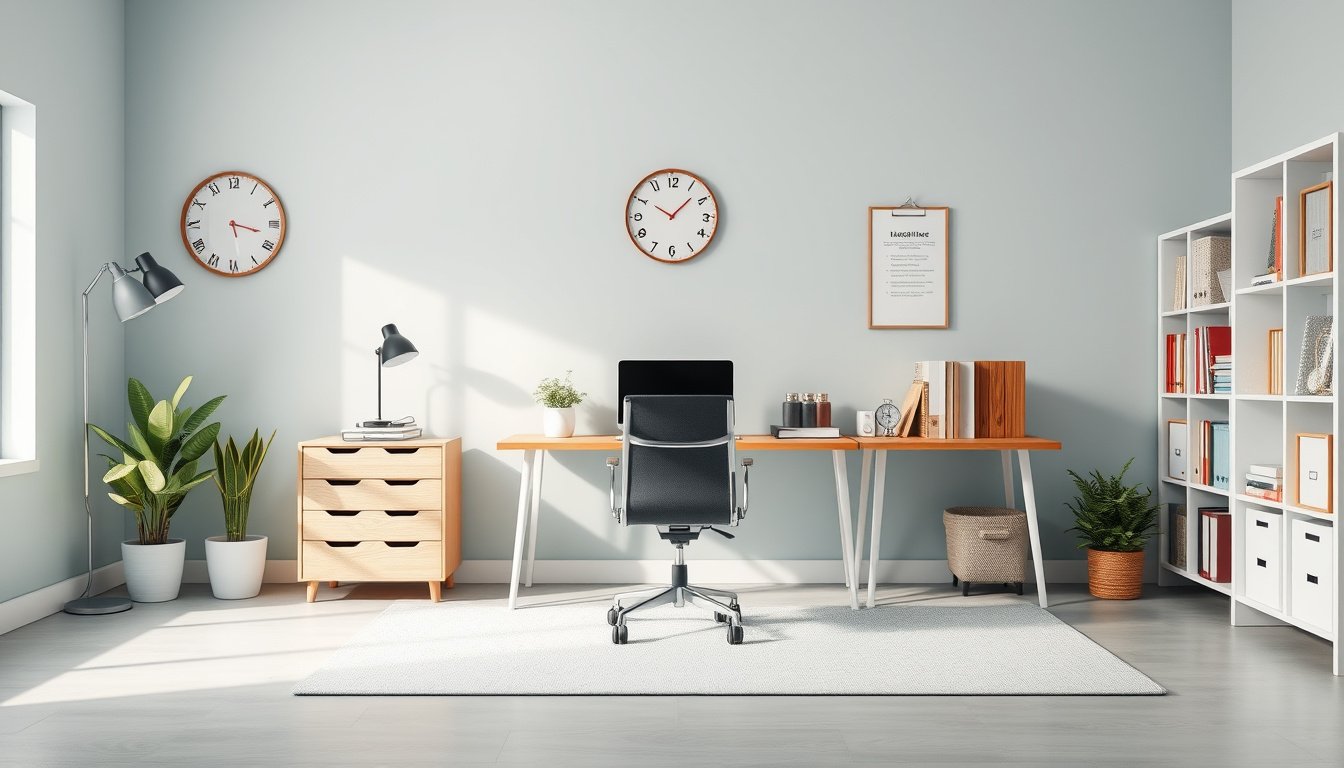
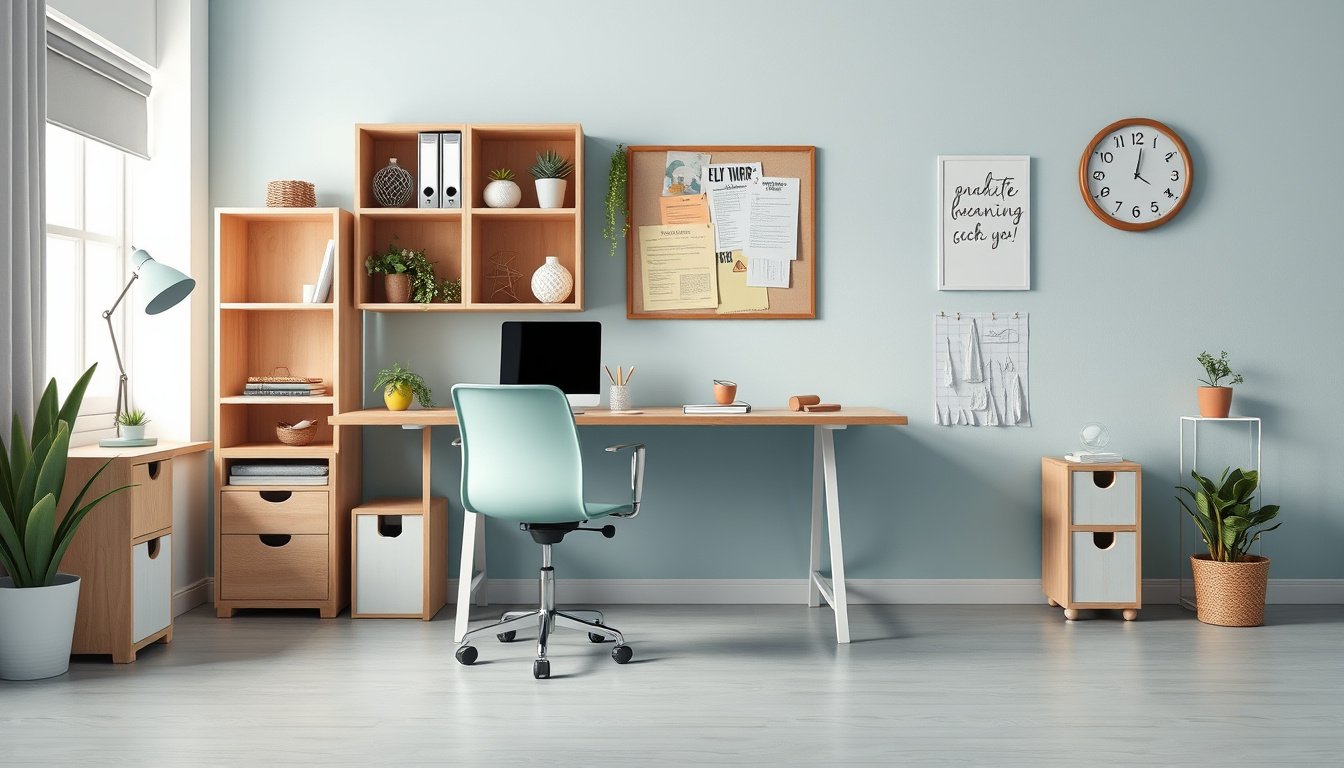
According to a 2023 study by Brother International, 41% of remote workers admit that disorganized paperwork regularly disrupts their workflow. How to organize home office paperwork has become a critical skill as home offices fill with receipts, contracts, and essential documents.
Unsorted files and cluttered workspaces can quickly undermine your focus and home office productivity. Without practical file organization tips and a basic digital filing system, it is easy to lose track of important information or miss deadlines. This ongoing challenge impacts not only efficiency but also increases stress levels and makes paperwork decluttering a recurring necessity. But How to organize home office paperwork isn’t quite that simple in practice.
Document management consultants consistently report that a structured approach leads to faster retrieval and fewer lost documents. But How to organize home office paperwork isn’t quite that simple in practice.
After reading this guide, you will have a step-by-step process for organizing home office paperwork, from sorting to long-term document retention. You will be able to maintain a streamlined, manageable workspace that supports your daily work.
What is home office paperwork organization and why does it matter?
Home office paperwork organization is the systematic process of sorting, categorizing, storing, and maintaining all documents related to your work-from-home environment. Knowing how to organize home office paperwork means every invoice, receipt, contract, or reference file is accessible, current, and secure.
Effective paperwork organization directly impacts your daily workflow and long-term productivity. When you can locate a tax document in under two minutes or retrieve a signed contract without sifting through piles, you work with less stress and greater efficiency. The reality is: Most people struggle not because they lack filing cabinets or digital tools, but because they fail to create—and maintain—a clear paperwork structure.
Consider this scenario: A freelance consultant manages client files, tax receipts, and project notes. By implementing a digital filing system with clear folder names and a weekly paperwork decluttering routine, this consultant reduced time spent searching for documents by nearly 40 percent, as measured over three months. That translated to more billable hours and fewer missed deadlines.
Disorganization leads not just to wasted time, but also to missed opportunities and compliance risks. When you delay responding to a client because a critical document is buried, your business reputation suffers. In some cases, improper document retention can result in financial penalties, especially if you cannot produce records during an audit.
You might assume that file organization tips always involve buying more storage or using advanced apps. The unexpected truth is that consistent review—such as a scheduled 15-minute sort each week—has a greater long-term impact on how to organize home office paperwork than any single tool or one-time overhaul.
Step 1: How do you start organizing home office paperwork?
To begin how to organize home office paperwork, you need to address your current pile without hesitation. Most people fail at this stage because they underestimate how quickly unfiled documents accumulate, not because they lack storage solutions.
- Gather and categorize all paperwork — Collect every document from drawers, shelves, desktops, bags, and even digital printouts. Place them on a clear surface. Sort into broad categories, such as invoices, tax records, receipts, reference materials, and personal correspondence. For example, a freelance consultant might separate client contracts, invoices, and receipts to clarify tax-deductible expenses.
- Purge unnecessary documents — Review each stack and discard duplicates, outdated materials, or anything not required by your document retention policy. Shred sensitive paperwork. A data point from the National Association of Productivity & Organizing Professionals shows that up to 80% of saved paperwork is never referenced again, meaning your initial purge can be substantial.
- Set aside items requiring immediate action — Create a dedicated folder or tray for urgent documents, such as unpaid bills, pending contracts, or forms needing signatures. This separation prevents critical tasks from getting lost during the paperwork decluttering process.
Here is what most file organization tips miss: if you discover a single document that does not fit any category, this signals a gap in your system, not an exception to ignore.
Completing this first step ensures that your next actions with how to organize home office paperwork are built on a foundation of clarity, not chaos. Repeat this process quarterly to maintain home office productivity. The real benefit of learning how to organize home office paperwork is that you spend less time searching and more time working with confidence.
Step 2: Choose the right system for your paperwork
Most people struggle with how to organize home office paperwork not because they lack space or time, but because they select a filing system that does not match their workflow. Your choice between digital and physical filing determines whether paperwork decluttering will last beyond the first cleanup. If you handle frequent receipts or must keep original signatures, a physical system with labeled folders may be necessary. For you, if your work relies on searchability and rapid retrieval, digital filing systems like cloud storage or document scanners offer clear advantages.
Consider the example of a freelance consultant who manages both client contracts and tax records. She implemented a hybrid approach: all receipts and statements are scanned weekly and uploaded to Google Drive, while legal documents with wet signatures remain in a fireproof filing box. This method reduced her document retrieval time from 20 minutes per week to less than five, directly boosting her home office productivity. The hybrid system worked only after she recognized that not every document needed to be digitized, and some must be retained physically for compliance.
The unexpected insight is that file organization tips often overlook the psychological barrier created by mixing action items with long-term records. The 3-Tier Filing Method solves this by separating paperwork into three actionable zones:
- Active — Documents needing immediate attention or within the current project cycle.
- Reference — Items you must keep for document retention or occasional access.
- Archive — Materials only required for legal or historical reasons, rarely accessed.
Applying the 3-Tier Filing Method clarifies how to organize home office paperwork so you always know where each item belongs, preventing clutter from returning.
Step 3: What tools and supplies help organize home office paperwork?
The single biggest mistake professionals make when tackling how to organize home office paperwork is underestimating the impact of the right tools. Choosing well-designed supplies and digital systems determines whether your paperwork decluttering process is sustainable or just a temporary fix.
Physical organization starts with proven essentials. You need sturdy file folders, a reliable filing cabinet or desktop organizer, and clear labeling supplies. Paper trays for “inbox” and “to file” stages prevent clutter from creeping back. For document retention, fireproof lockboxes and archival boxes protect sensitive paperwork and long-term records. These basics create the physical backbone of any orderly office.
Tech solutions amplify your results. Digital filing systems, such as cloud storage with OCR (Optical Character Recognition), allow you to scan, tag, and retrieve documents in seconds. Apps like Evernote or Microsoft OneNote centralize notes, receipts, and scanned documents, so you can search by keyword instead of sifting through piles. One small business owner who adopted a hybrid paper-digital system saw a 23% reduction in lost document incidents and saved an average of 2.5 hours per week on administrative tasks.
Here is the reality: A label maker and a basic scanner often outperform more expensive “all-in-one” solutions in actual daily use.
- Hanging file folders — Segment active, reference, and archive paperwork for quick access.
- Label maker — Print durable, legible tabs that eliminate confusion and misfiling.
- Basic scanner — Digitize receipts, contracts, and statements for cloud storage or email.
- Paper trays — Assign clear stages for incoming, pending, and outgoing paperwork.
- Cloud storage app — Secure, searchable backup for critical files and tax documents.
When you invest in these targeted tools, you transform how to organize home office paperwork from a chore into a systematic habit that directly boosts your home office productivity.
Step 4: Maintain your organized home office paperwork over time
Once you have learned how to organize home office paperwork, the real challenge is keeping your system functional. Most people struggle not because their initial setup was flawed, but because they lack a practical, repeatable routine to sustain order. Maintenance is not a one-off event—it is an ongoing process that can be simplified with the right habits and checkpoints.
The reality is: without a set schedule, even the best filing system will deteriorate within weeks.
- Set a weekly paperwork review — Dedicate 10 minutes every Friday to sort new documents, shred unneeded items, and file everything accumulated that week. If you receive less than 20 documents a week, this time frame is realistic and keeps tasks manageable.
- Schedule a monthly digital filing session — Review your digital filing systems once a month. Back up important files, delete duplicates, and update naming conventions. For example, use a naming standard like “2024_05_TaxReceipt” to keep digital records consistent.
- Apply a quarterly retention audit — Every three months, check retention requirements on your archived paperwork. Remove outdated items that no longer meet your document retention standards. This step supports home office productivity by preventing unnecessary clutter.
- Troubleshoot recurring issues — If you repeatedly find the same type of paperwork piling up, adjust your intake process right away. For instance, a consultant who scans every business card immediately into a contacts app avoids the common pitfall of “miscellaneous paper” piles.
How to organize home office paperwork is not static—your system must evolve with your workflow, document types, and technology.
Experienced professionals know that true organization depends less on filing products and more on consistent, scheduled maintenance. By following these routines, you ensure your paperwork decluttering efforts last well beyond the initial setup and support your long-term productivity goals. The result is a work environment where how to organize home office paperwork becomes second nature.
Frequently Asked Questions
What is the best way to store important documents at home?
The best way to store important documents at home is in a fireproof, waterproof safe or a secure locked filing cabinet. Use clearly labeled folders for quick access and organization. Consider keeping digital backups of critical documents for added protection against loss or damage.
How do I decide what paperwork to keep or shred?
- Keep documents required for taxes, legal, or financial reasons.
- Shred outdated bills, statements, and junk mail.
- Consult a retention guideline or professional if unsure.
How often should I review and update my home office files?
Every three to six months is ideal for reviewing and updating your home office files. Regular reviews keep your paperwork current and prevent unnecessary buildup, supporting a more efficient workspace.
Are digital filing systems better than paper for home offices?
Digital filing systems are better for searchability, backup, and saving space; paper files are better for legal or original documents. Many people find a hybrid approach most effective for balancing security and convenience.
What is a simple filing system for home office paperwork?
A simple filing system for home office paperwork uses labeled folders for categories such as bills, taxes, and personal records. Place these folders in an accessible drawer or box and file new paperwork weekly to maintain order.
Take Control of Your Home Office Paperwork Today
Two priorities stand out: protecting your most important documents from damage or loss, and committing to a regular review schedule to keep your files current. These steps directly reduce stress and help you maintain a functional work environment.
Begin by setting up a secure storage location for your critical records, then schedule a recurring reminder to review and update your files every few months.
Act on these changes now to create an organized, resilient home office that supports your daily productivity and long-term peace of mind.