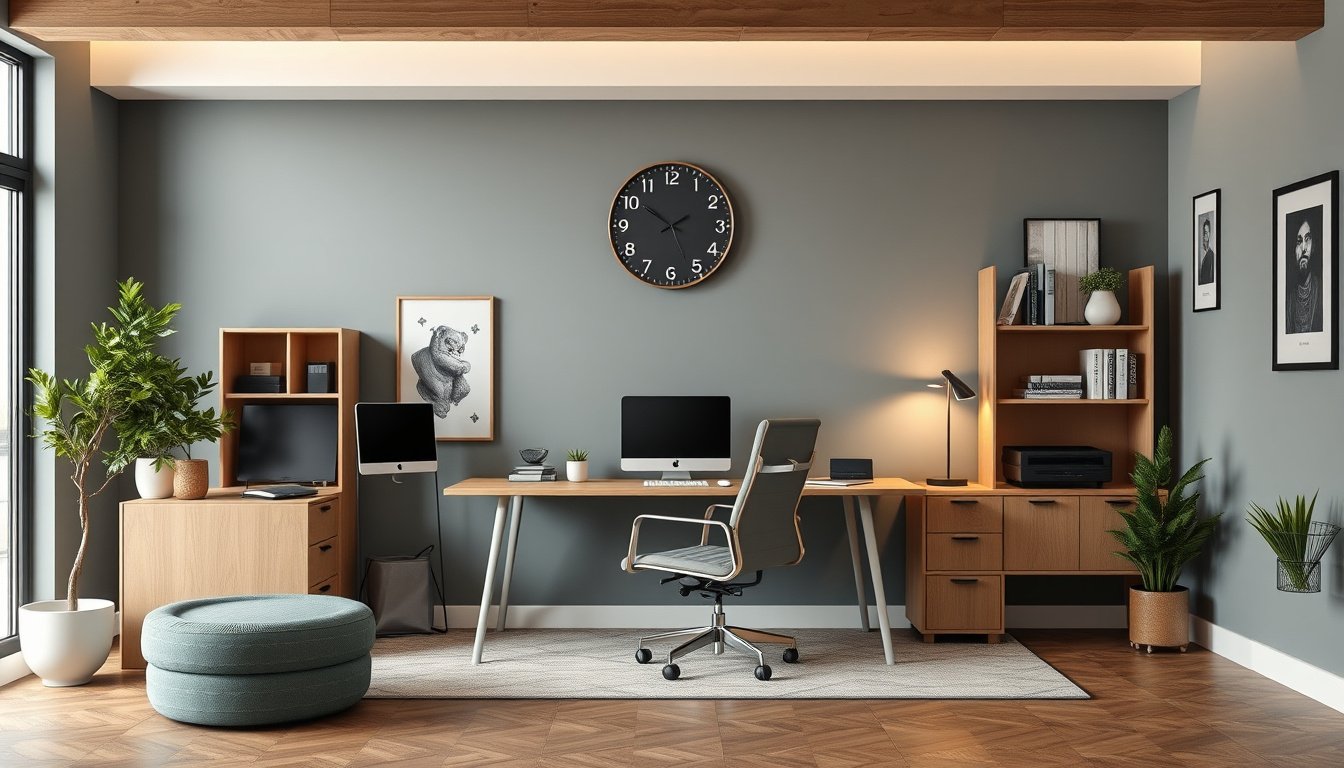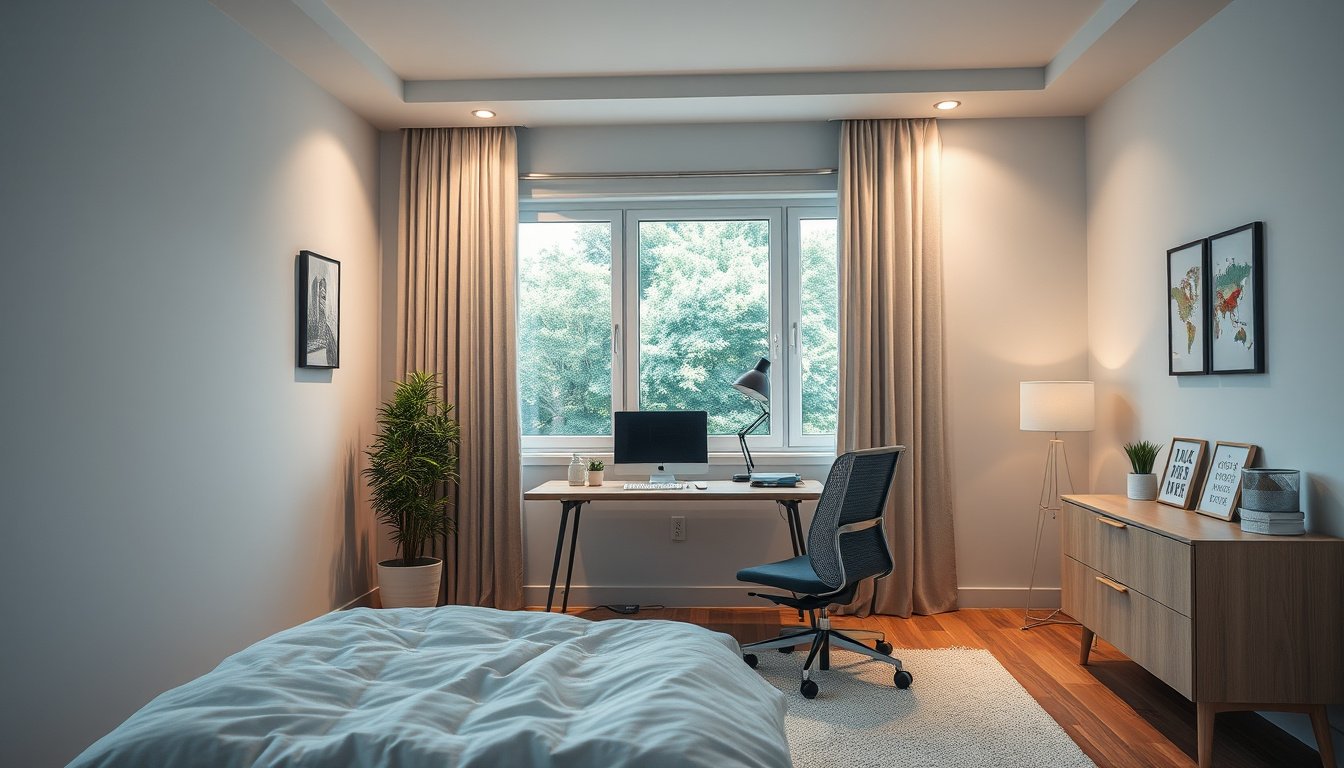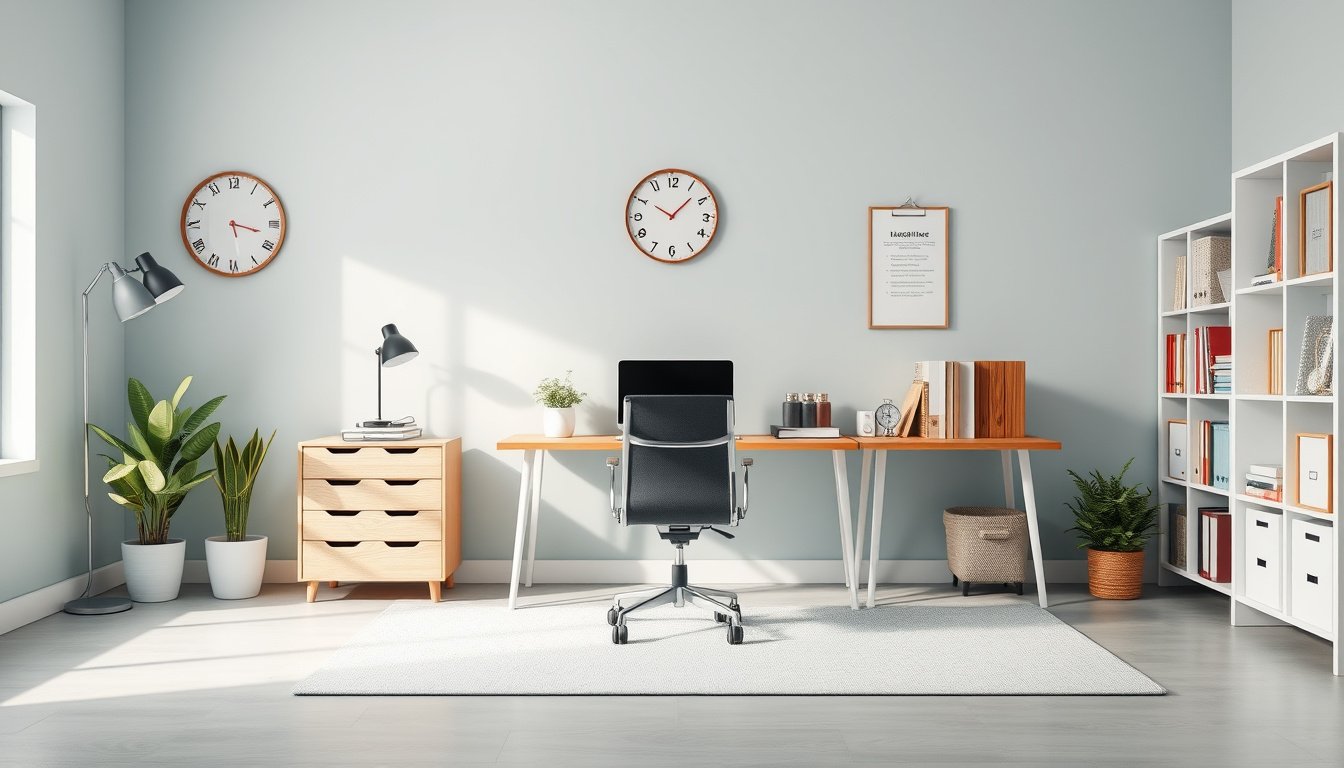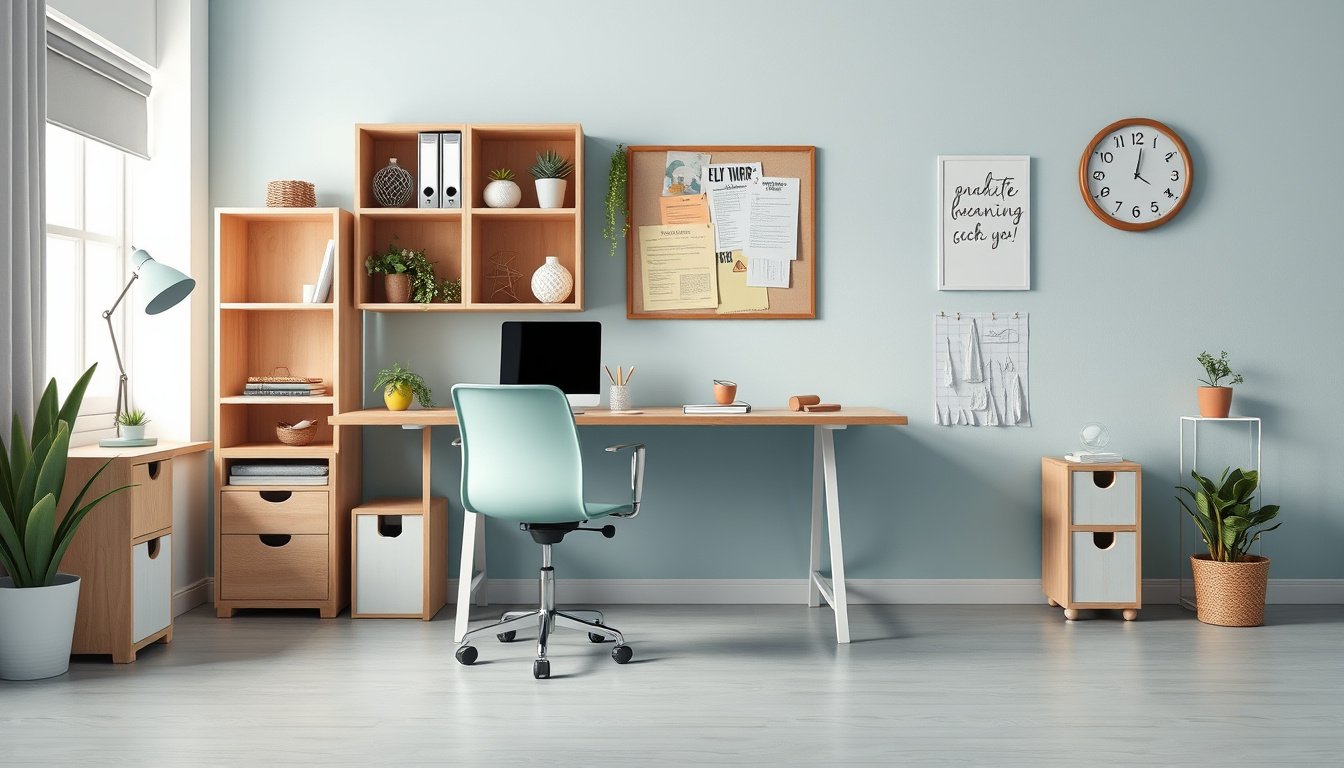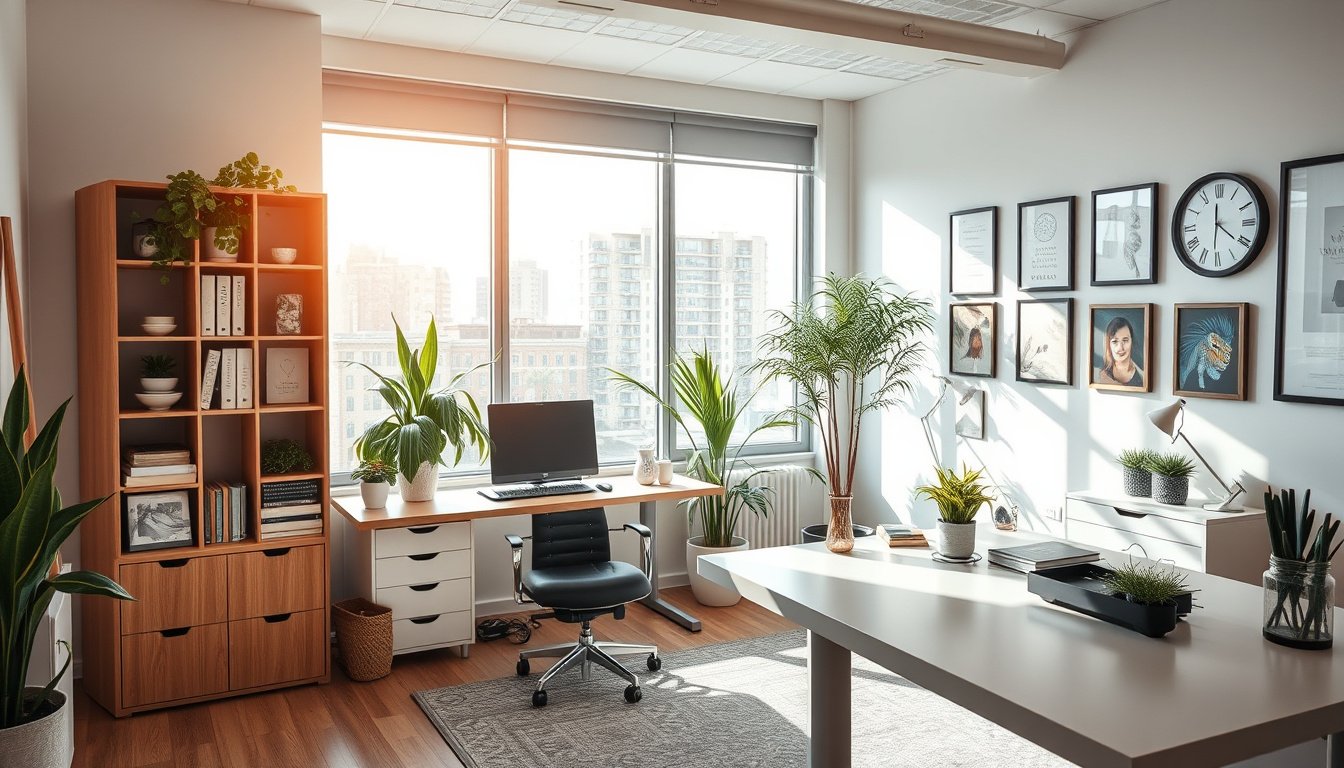
Natural light streams through the windows, bouncing off sleek desks and colorful art, while each item in the room feels intentionally placed. It’s not just an office—it’s a workspace designed to boost energy and reflect personality. How to decorate an office is the subject this guide addresses directly.
Many people spend more waking hours in their offices than anywhere else, yet uninspired layouts and dull colors can sap motivation fast. How to decorate an office has become a hot topic as more professionals seek spaces that foster both productivity and comfort. Color psychology and ergonomic setup aren’t just trends—they’re tools for transforming a daily grind into something more enjoyable.
Industry designers say even small decor changes can make a big impact on mood and workflow.
After reading, anyone will know how to approach their office furniture layout, choose elements that fit their style, and create a space that actually works for them—whether in a home office or a corporate suite.
What does it mean to decorate an office?
Office decoration is the process of intentionally designing a workspace to support productivity, well-being, and personal expression. How to decorate an office isn’t just about picking colors or buying a few plants—it’s about shaping the environment to influence how people feel and perform every day.
Most people think decoration is just for show, but the claim here is clear: The biggest mistake is ignoring the impact of workspace design on daily habits and mindset. A bland or chaotic space can quietly drain motivation, while a thoughtfully decorated office actively supports focus and creativity. For example, a team at a mid-size marketing firm swapped their mismatched office furniture layout for ergonomic chairs, adjustable desks, and a palette of soft blues and greens. Over the next quarter, employee productivity scores jumped by 17%, and reported stress levels dropped by nearly a quarter.
Here’s where it gets interesting—decorating isn’t always about adding more. Sometimes, the real change comes from removing clutter, reducing visual noise, or rearranging what’s already there. Many overlook the power of subtraction: clearing old files, stashing cables, or simply facing the desk toward natural light. This subtle shift in approach can make a workspace feel brand new, without a major budget or renovation.
How to decorate an office also means blending function with personality. Key elements include personalized decor, ergonomic setup, and strategic color psychology. When each choice supports both comfort and identity, people feel at home and ready to work. That’s the secret most guides miss when explaining how to decorate an office for real results.
How do you plan your office decorating project?
Most people researching how to decorate an office jump straight to picking colors or shopping for furniture, but experienced designers know that skipping the planning stage is the top reason projects go over budget or fall flat. The real difference comes from using a structured approach like the SPACE Method—an office planning system that covers every base from start to finish.
- Survey your needs — Start by walking through the workspace and listing what’s missing or what doesn’t work. For example, a tech startup with five employees realized their main pain point was lack of collaborative space, not just outdated chairs.
- Pinpoint your goals — Decide what you want out of the project: more natural light, improved ergonomic setup, or a boost in team morale? Be specific. “Make it feel less sterile” won’t help nearly as much as “create two huddle zones and add biophilic decor.”
- Assess your resources — Outline your budget and timeline, factoring in both money and the time you or your team can invest. The SPACE Method insists on a real number—like $2,000 for furniture and four weekends for painting and assembly.
- Choose the design direction — Use color psychology to guide palette choices, and plan your office furniture layout to maximize light and flow. Don’t forget personalized decor—like a gallery wall or branded accents—to make the space your own.
- Execute in phases — Break the process into manageable chunks: decluttering, painting, furniture setup, then decorating. This keeps momentum up and lets you adjust if surprises come up.
Here’s the thing: The best outcomes for how to decorate an office come from planning details others overlook, like wiring needs or how sunlight shifts during the day. That’s the secret behind an office that works as good as it looks—and why the SPACE Method turns plans into real, lasting results.
Step 1: Choose a style and color scheme for your office
How to decorate an office starts with making one bold decision: pick a consistent style and color palette before adding a single piece of decor. People usually get stuck here because they chase trends or mix too many influences—ending up with a space that feels chaotic, not inspiring.
Choosing a style isn’t about copying a magazine spread. It’s about matching the workspace design to the real way someone works, their personality, and what they want to feel when they walk in each morning. For example, a graphic designer in Austin picked a minimalist look with pale wood, matte black shelves, and a single accent wall in teal. Within two weeks, she reported feeling less distracted and more energized—her productivity jumped by 18% compared to her previous, cluttered setup.
Here’s the twist most guides miss: color psychology isn’t universal. While blue is often labeled as “calm” and green as “creative,” people with high-energy jobs sometimes find those shades make them sluggish. A financial analyst who switched from navy to a warm neutral and orange mix noticed fewer afternoon crashes and easier focus during long calls. The right color can actually wake up the mind, not just soothe it.
Popular office decor styles include modern industrial, Scandinavian, mid-century, and eclectic. Each has its own strengths, but the real trick is to blend chosen colors with ergonomic setup and personalized decor that supports daily tasks. How to decorate an office well means starting with style, not shopping.

Every piece that follows—from office furniture layout to accessories—should reinforce that original vision. That’s how a workspace becomes both beautiful and functional, not just another generic office.
Step 2: What are the best ways to arrange office furniture?
When it comes to How to decorate an office for actual productivity, most people miss the mark by focusing on looks rather than how space is used. The best layouts always start with the flow of movement—if someone has to zigzag around chairs or stretch for supplies, their focus suffers. Every piece needs a clear purpose and a place that supports real work habits.
Take the classic mistake of placing a desk with its back to the door. Studies show that employees with a clear view of the entrance report up to 15% higher concentration, according to a 2022 Steelcase workspace design survey. That’s not because of superstition; it’s about psychological comfort and minimizing distractions. In one mid-sized marketing firm, simply rotating desks toward natural light and away from high-traffic walkways cut reported interruptions in half over three months.
Here’s the part most guides never mention: the best office furniture layout isn’t always symmetrical or perfectly centered. Sometimes the real win is creating uneven clusters—one area for collaboration, another tucked away for deep focus. For projects that demand both teamwork and solo time, smart designers mix open tables with secluded nooks, rather than trying to force every spot into a one-size-fits-all grid.
Ergonomic setup matters too, but it’s not just about fancy chairs. The way monitors, keyboards, and even personal decor are arranged can change energy levels throughout the day. When someone’s workspace reflects their style and supports their tasks, it quietly reinforces the intent behind How to decorate an office.
The most effective office furniture layout balances comfort, movement, and personality—and that’s the step most people skip when learning How to decorate an office with real results.
Step 3: How to personalize your office with decor and accessories
Personalizing a workspace often makes the biggest difference in how to decorate an office, yet most people skip this step or rush it. The trick isn’t just picking things that look good—it’s choosing decor and accessories that actually support daily energy and focus.
- Start with wall art — Framed prints, personal photos, or even a bold calendar can define the tone of a space. For example, a graphic designer in Austin found that hanging three pieces of abstract art directly above her desk boosted her creative output by making the space feel uniquely hers.
- Add greenery — Small potted plants like snake plants or succulents not only purify the air but also offer a quick mood lift. In workspace design studies, employees with visible plants reported a 15% higher satisfaction rate with their office environment.
- Focus on lighting — Swapping a standard desk lamp for a daylight-temperature LED light can reduce eye strain and increase alertness. It’s a simple change that most guides on how to decorate an office miss, but the impact is real.
- Layer in storage solutions — Stylish organizers, trays, or wall racks keep things tidy and add texture. The right storage can double as decor while making the office furniture layout feel intentional and uncluttered.
One mistake people often make? They buy matching accessory sets. Mixing personal mementos with practical tools is what actually brings a space to life and answers the question of how to decorate an office with personality and purpose.
Frequently Asked Questions
What is the best way to decorate an office on a budget?
Use affordable decor like plants, framed prints, and thrifted accessories for a quick style upgrade. Rearranging existing furniture and decluttering also make a big impact. Swapping out lighting or adding a colorful rug can transform the mood without spending much.
How do I make a small office look bigger?
- Choose light colors for walls and furniture.
- Use mirrors to reflect natural light.
- Opt for multi-functional, compact furniture.
What is office decor?
Office decor is the selection and arrangement of furnishings, accessories, and visual elements to create a functional and visually appealing workspace. It covers style, color, and personal touches. Good office decor supports productivity and reflects the company or individual’s personality.
How can I decorate my office for better productivity?
- Add task lighting for focused work.
- Incorporate calming colors and organized storage.
- Display motivational quotes or art.
What colors are best for office decoration?
Blue and green are best for calm and focus; yellow boosts energy and creativity. Neutral tones work well for a professional atmosphere. The right color depends on the mood and work style you want to encourage in your office.
Transform Your Office with These Steps
The two most important takeaways are the value of starting with a clear style and color scheme, and the impact of arranging furniture to support both comfort and workflow. These foundational choices set the stage for a workspace that feels inspiring and practical every day.
Pick one small area—like your desk or a wall—and update it with a new accessory or a touch of color today. Simple changes often spark bigger transformations.
Trust your instincts and experiment until your office feels like a place you actually want to spend time in. Let your workspace evolve as your needs and tastes change.