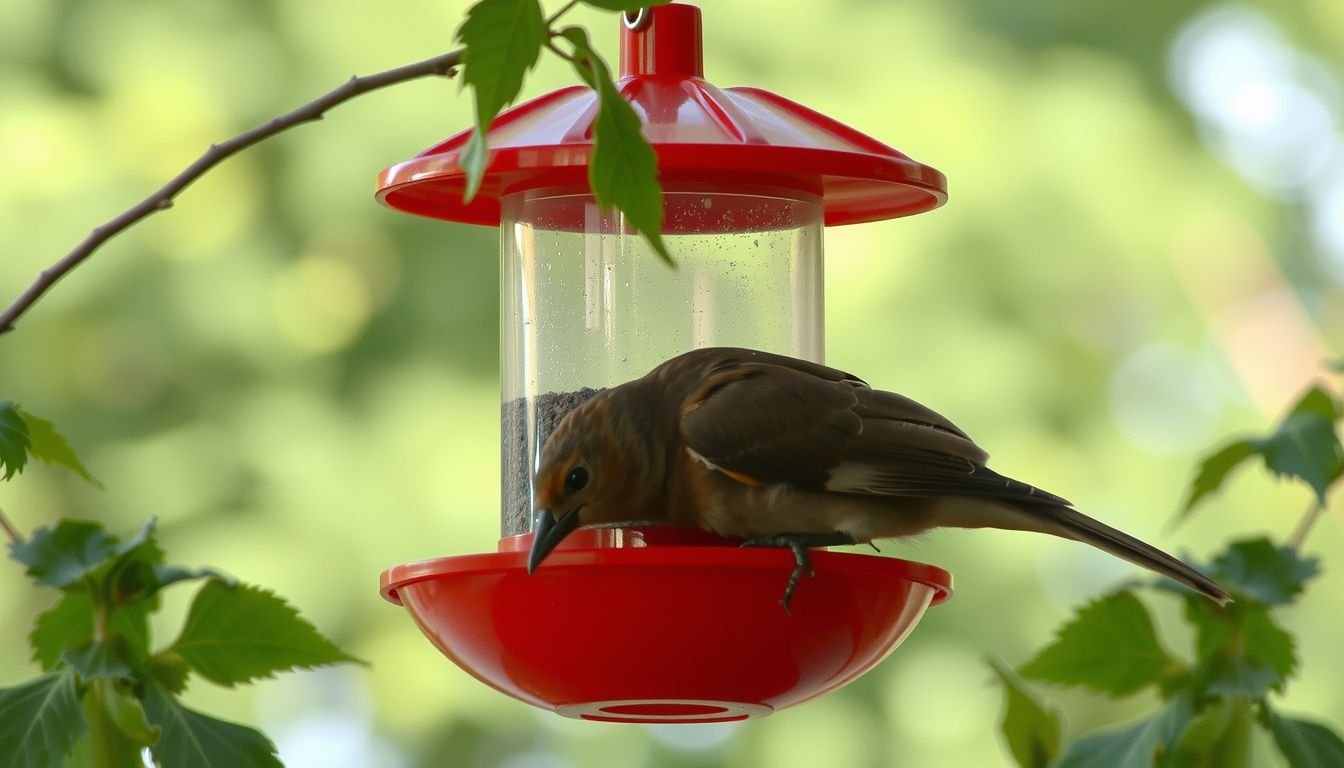
Learning how to make bird feeders out of plastic bottles offers a hands-on way to recycle, attract wildlife, and enjoy nature up close. It’s a simple craft suitable for adults and kids with supervision, and it requires minimal tools. Transforming an empty bottle into a functional feeder not only reduces waste but also supports local bird populations, especially during colder months.
Whether placed on a balcony or in a backyard, handmade feeders provide a front-row seat to birdwatching. For example, a family in Ohio reported seeing cardinals, finches, and chickadees flocking to their homemade bottle feeder within the first week. This guide walks through every step—gathering supplies, safe construction, creative decorating, and successful installation—so anyone can build a safe, effective, and attractive feeder with confidence.
Gather Materials and Prepare the Workspace
It’s smart to set up everything before starting. First, collect these materials:
- 1 empty plastic bottle (16- to 32-ounce works best)
- Sharp scissors or a craft knife
- 2 wooden spoons or dowels (for perches)
- Twine or sturdy string
- Birdseed (black oil sunflower seeds are universal)
- Permanent marker
- Optional: non-toxic paint or stickers for decorating
Work on a flat surface covered with newspaper or an old cloth. Good lighting is essential, especially when using sharp tools. If kids are involved, ensure an adult handles all cutting tasks.
Wash hands before and after handling materials, especially before filling with seed.
Pro tip: Gather all tools in a small bin or tray to keep the workspace tidy and organized.
Clean and Cut the Plastic Bottle Safely
Start by thoroughly rinsing the bottle to remove any residue. Soap and warm water work best; let it dry completely. Use a marker to outline where the birdseed holes and perches will go—typically two holes near the bottom sides for perches, and two more slightly above for seed access.
- Puncture the bottle gently using the tip of the scissors or craft knife at each marked spot. Cut slowly to avoid cracks.
- Insert the wooden spoons or dowels through the lower holes, making sure they protrude evenly on both sides to act as perches.
- Above each perch, cut a small hole (about the size of a dime) to allow seeds to spill out as birds feed.
Always cut away from your body. Dispose of any sharp plastic scraps right away. If needed, sand rough edges to prevent injury to birds and hands.
Common mistake: Cutting holes too large causes rapid seed loss. Test with a few seeds before finalizing hole size.
Assemble and Decorate the Bird Feeder
Now it’s time to assemble. Insert the perches fully, ensuring they’re stable and can handle a bird’s weight. Pour birdseed into the bottle using a funnel or paper cone, filling it just below the holes to prevent spillage.
For the hanging mechanism, tie twine securely around the neck of the bottle or through a hole in the cap. Leave a loop long enough to hang from a tree branch or hook. Check that all parts are snug and balanced to prevent tipping in the wind.
- Decorate with waterproof, non-toxic paint or stickers.
- Avoid blocking feeding holes or perches with decorations.
Example: A teacher in Texas had students personalize feeders with painted flowers, making each one unique while still functional.
Let decorated feeders dry completely before use.
Install the Feeder and Attract Birds
Pick a quiet, shady spot visible from a window for the best birdwatching. Hang the feeder at least 5 feet off the ground, away from heavy foot traffic and predators like cats. If possible, hang near shrubs or trees for easy bird access and cover.
Check that the feeder is level and secure. Refill seeds regularly and clean the feeder every two weeks to prevent mold and disease.
- Scatter a handful of seeds on the ground beneath the feeder to attract birds initially.
- Be patient—birds may take a few days to discover a new feeder.
Keep a small notebook nearby to record bird species. Over time, more birds will visit as they recognize the feeder as a reliable food source.
People Also Ask
What kind of plastic bottles work best for bird feeders?
Sturdy bottles between 16 and 32 ounces work best. Avoid bottles that crack easily or are too thin, as they may not support perches or repeated use.
How often should a plastic bottle bird feeder be cleaned?
Clean the feeder every two weeks, or more often in wet weather. Use mild detergent and rinse thoroughly to prevent mold and disease.
What type of birdseed attracts the most birds?
Black oil sunflower seeds appeal to a wide range of birds, including finches, sparrows, and chickadees. Avoid seed mixes with fillers like milo or wheat.
Is it safe to paint or decorate plastic bottle feeders?
Only use waterproof, non-toxic paint or adhesives. Let all decorations dry completely before filling with seed or placing outdoors.
You’re Ready
Anyone curious about how to make bird feeders out of plastic bottles now has a clear path from collecting supplies to watching new feathered visitors arrive. Remember to maintain the feeder, refill seeds, and adjust placement for best results. Engaging with birds this way turns simple recycling into an ongoing nature lesson right outside the window.
Try making several feeders for different spots, and enjoy discovering which birds come calling.