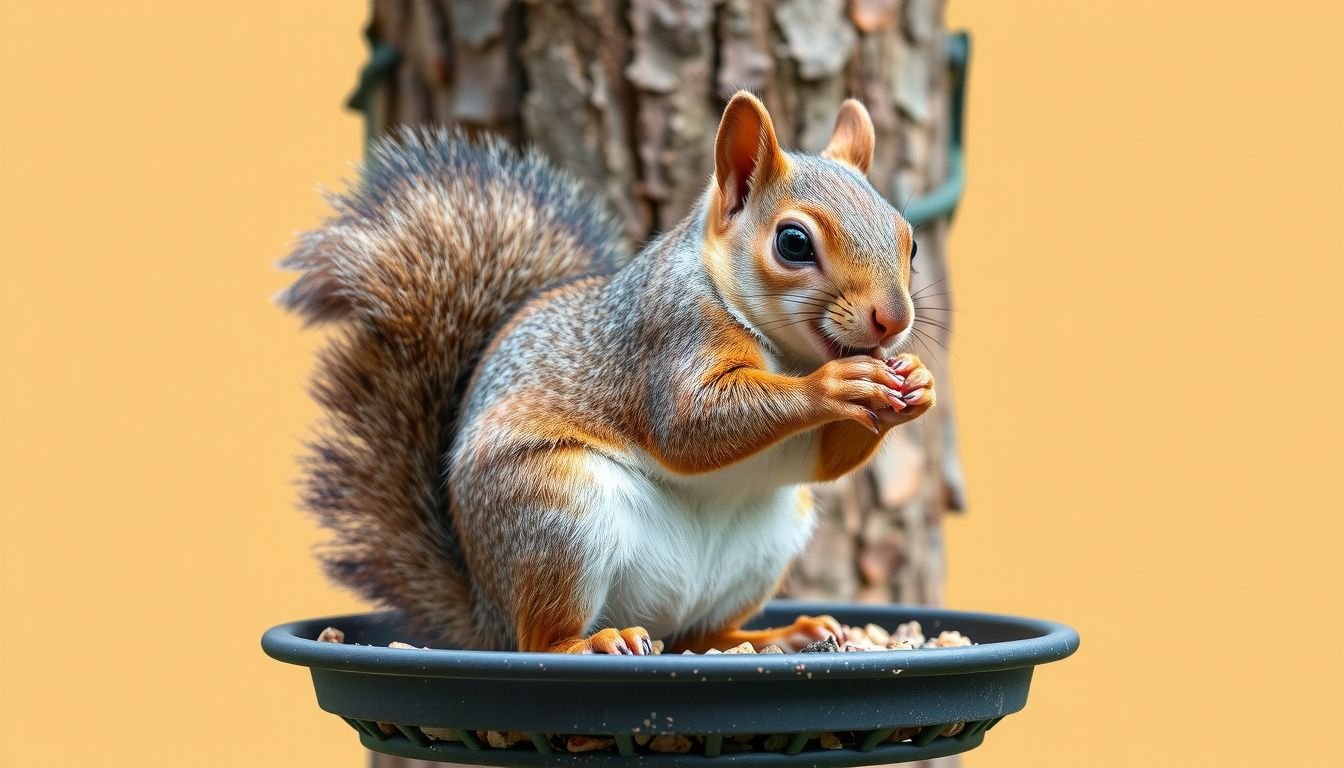
Wondering how can I keep squirrels out of my bird feeders without resorting to drastic measures? Squirrels are notorious for raiding bird feeders, leaving little behind for the birds you want to attract. Thanks to expert-tested methods and clever deterrents, anyone can maintain a squirrel-free bird feeder zone.
This guide brings together proven strategies and explains why squirrels target feeders in the first place. Learn which products work, how to position feeders, and which seeds actually repel squirrels. Stick around for practical tips and answers to common questions—so you can enjoy birdwatching, not squirrel wrangling.
| Quick Facts | Details |
|---|---|
| Squirrel Motivation | High-calorie bird seed and easy access drive persistent squirrel visits. |
| Best Feeder Type | Squirrel-proof feeders with weight-activated perches are most effective. |
| Top Seed to Avoid | Sunflower and corn attract squirrels; safflower and nyjer repel them. |
| Key Deterrent | Baffles block climbing and jumping attempts when installed correctly. |
Understanding Why Squirrels Target Bird Feeders
Squirrels are driven by their relentless search for food, especially high-protein and high-fat options like sunflower seeds and peanuts. Bird feeders offer an easy meal, often presented in accessible spots with little natural competition. Squirrels are agile climbers and problem solvers, making them persistent adversaries for anyone trying to keep them away.
Their sense of smell allows them to locate feeders from great distances, and their natural curiosity keeps them experimenting with new ways to access the food. Recognizing these habits is the first step in outsmarting them and protecting your birdseed investment.
Choosing Squirrel-Proof Bird Feeders
Selecting the right feeder makes a dramatic difference. Squirrel-proof bird feeders typically feature weight-sensitive perches that collapse under a squirrel’s weight, closing access to seed ports. Some designs use metal cages or spinning mechanisms to deter intruders.
When shopping, look for feeders labeled as “squirrel-resistant” and constructed with chew-proof metal components. Plastic feeders rarely last against determined squirrels. For example, a weight-activated feeder in a local urban garden reduced squirrel access by over 90% within a week, while still allowing small birds to feed comfortably.
Positioning Feeders to Deter Squirrels
Strategic placement is critical. Squirrels can leap up to 10 feet horizontally and climb almost any vertical surface. To minimize access, hang feeders at least 8–10 feet from trees, fences, or roofs and 5–6 feet off the ground.
Use long, thin poles made of metal rather than wood, as squirrels find these harder to climb. If possible, suspend feeders from a wire stretched between two distant points, with empty plastic bottles threaded along the wire to spin and prevent crossing. The right location instantly makes your feeder less appealing to squirrels.
Using Baffles and Barriers Effectively
Baffles are dome or cone-shaped devices installed above or below bird feeders to prevent squirrels from reaching the seed. For pole-mounted feeders, a baffle should be at least 18 inches in diameter and placed 4–5 feet from the ground. Hanging feeders benefit from top baffles that act like umbrellas.
Ensure baffles are made of smooth metal or plastic, as squirrels can grip textured surfaces. Pairing baffles with proper feeder positioning multiplies the deterrent effect, forcing squirrels to give up after repeated failures.
Selecting Bird Seed That Repels Squirrels
Choosing the right bird seed can make your feeder less attractive to squirrels. While they love sunflower seeds, peanuts, and corn, they typically dislike safflower, white millet, and nyjer (thistle) seeds. Safflower seeds, in particular, appeal to cardinals, chickadees, and finches while deterring squirrels.
Some people also mix cayenne pepper into seed as a natural repellent—birds aren’t affected by capsaicin, but squirrels dislike the heat. Always check that additives are safe for local wildlife before use.
Natural Deterrents and Home Remedies
Natural solutions can complement commercial products. Sprinkling cayenne pepper or chili flakes on bird seed is a popular home remedy—just be sure to reapply after rain. Some gardeners plant daffodils or garlic near feeder poles, as their scent can deter squirrels.
Physical barriers, like chicken wire domes or mesh cages, can be fashioned to protect feeders. Keep in mind that while these methods can reduce squirrel visits, persistence and rotation of strategies are key for lasting results.
Regular Maintenance and Monitoring Tips
Ongoing vigilance is crucial. Regularly inspect feeders and baffles for signs of chewing, wear, or displacement. Clean feeders weekly to prevent mold and disease.
Monitor squirrel behavior—if they find a new route, adjust placement or reinforce barriers promptly. Rotate seed types and try different deterrents to keep squirrels guessing. Consistent maintenance not only deters squirrels but also ensures a healthy feeding environment for birds, making your efforts worthwhile in the long run.
Quick Answers
Can I use grease or oil on poles to stop squirrels?
No—grease and oil can harm squirrels and birds, making feathers dirty and causing health issues. Opt for baffles or metal poles instead.
Do ultrasonic squirrel repellents work?
Results are mixed. Many squirrels quickly adapt to ultrasonic sounds, making these devices unreliable as a long-term solution.
Will feeding squirrels separately keep them away from bird feeders?
Not usually. Squirrels tend to visit all available food sources, so feeding them elsewhere rarely reduces their interest in bird feeders.
How often should I clean my bird feeder?
Clean feeders at least once a week to prevent disease. If you notice mold or spoiled seed, clean more frequently for bird health.
Final Summary
Keeping squirrels out of bird feeders demands a combination of squirrel-proof feeders, smart placement, physical barriers, and strategic seed choices. Regular maintenance and a willingness to adjust methods are essential for success. By understanding squirrel behavior and staying proactive, anyone can protect their feeders and ensure birds—not squirrels—are the main visitors.
Experiment with different deterrents, monitor results, and enjoy a thriving backyard bird sanctuary free from constant squirrel raids.