Wondering how to keep sparrows away from bird feeders without chasing off desirable songbirds? Sparrows—especially house sparrows—are infamous for crowding feeders, driving away smaller species, and scattering seed. Their persistence can frustrate even the most patient bird enthusiasts.
Fortunately, several proven strategies can minimize sparrow visits while attracting a diverse array of feathered guests. This guide breaks down the process into clear, actionable steps—covering feeder selection, seed choices, placement tactics, and more. Whether you’re new to backyard birding or looking to solve a stubborn sparrow problem, each section empowers you to create a more balanced feeding station.
One backyard birder in Wisconsin, for example, cut sparrow activity by 90% just by switching feeders and seed types. Ready to reclaim your feeders? Let’s get started.
Understand Sparrow Behavior Around Bird Feeders
Sparrows, particularly house sparrows, are highly adaptable, aggressive, and opportunistic. They thrive in urban and suburban settings and will eat almost any seed. Their boldness allows them to dominate traditional feeders, often arriving in flocks and crowding out smaller, less assertive birds.
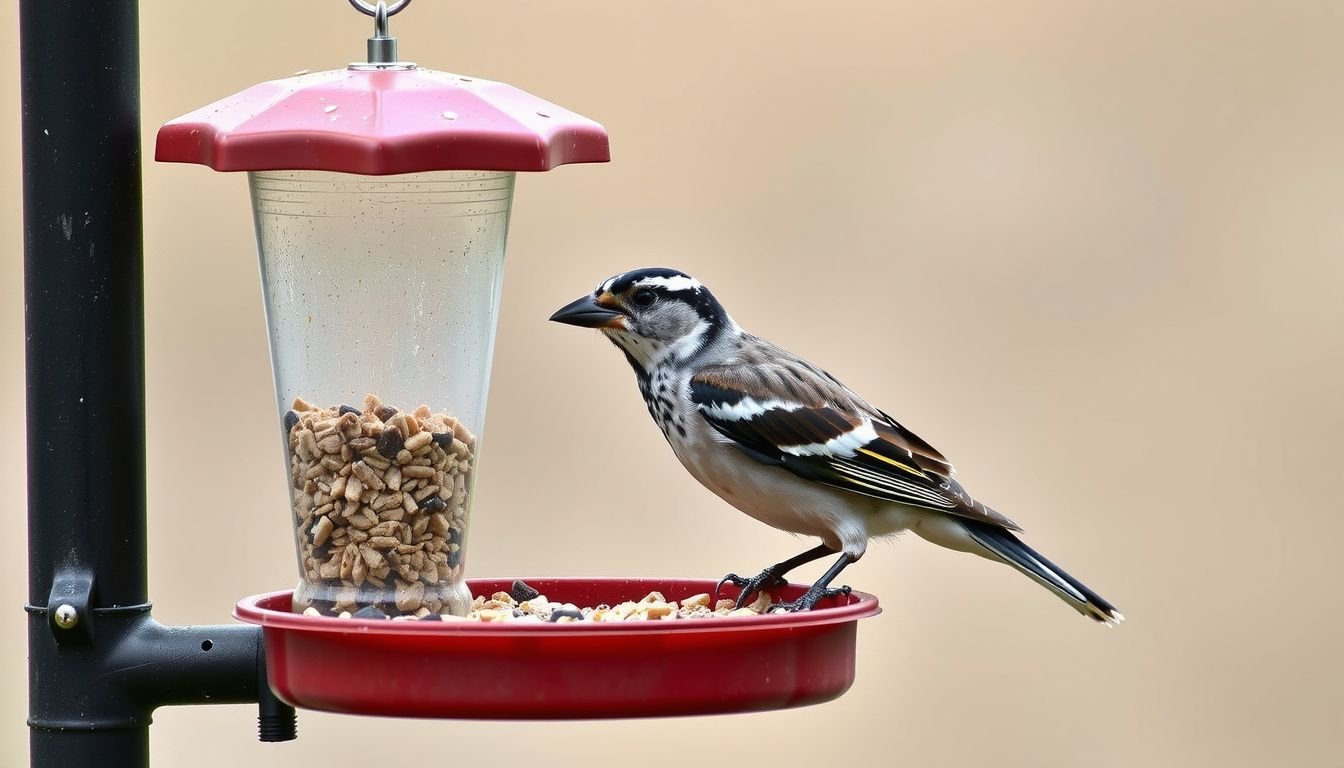
Recognizing these behaviors forms the foundation of control. Sparrows favor open trays, hopper feeders, and areas with easy access. They’re less comfortable clinging to tube or mesh feeders.
They also prefer feeding low to the ground. Tracking sparrow activity patterns in your yard helps tailor your approach.
Pro Tip: Spend a few mornings observing which feeders receive the most sparrow traffic. Note the times and seed types that attract the largest numbers. This targeted observation is the first step toward effective deterrence.
Assess Your Current Bird Feeder Setup
Start by analyzing every component of your bird feeding arrangement. List each feeder, its style (tray, tube, hopper, suet), and the seed it holds. Examine the feeder’s perches and entry points—are they spacious or easy for sparrows to access?
- Are feeders positioned near brush or structures that offer sparrow cover?
- Do you regularly clean up spilled seed beneath feeders?
- Are large flocks visiting all day, or mainly in morning/evening?
Documenting these details identifies vulnerabilities in your setup. For example, one household noticed sparrows favored a ground-level tray feeder filled with mixed seed. Removing this feeder significantly reduced unwanted visits.
Assessing first saves time and effort later.
Select Feeder Types That Discourage Sparrows
Certain feeder designs naturally exclude sparrows while remaining accessible to preferred species. Opt for:
- Tube feeders with short perches: Difficult for sparrows, but easy for finches and chickadees.
- Upside-down suet feeders: Nuthatches and woodpeckers feed comfortably, but sparrows struggle.
- Caged feeders: Metal cages with small openings prevent larger birds, including sparrows, from entering.
Avoid open trays, large platform feeders, and wide-perch hoppers. These invite sparrow flocks. If replacing feeders isn’t possible, retrofit existing ones with perch extenders or cage guards.
Common mistake: Using decorative, multi-perch feeders thinking they’ll attract more variety. In reality, they often attract more sparrows.
Adjust Bird Seed Choices to Deter Sparrows
Sparrows eat a wide range of seeds, but some types are less appealing. Removing their favorites helps redirect them elsewhere.
- Avoid cheap mixes with millet and cracked corn—sparrows love these.
- Favor black oil sunflower seed, safflower seed, and nyjer. These attract cardinals, finches, and chickadees but deter sparrows.
- Feed shelled peanuts or suet in specialized feeders for woodpeckers and nuthatches.
Switching to single-seed feeders, rather than mixed-seed trays, dramatically reduces sparrow traffic. Refill only when needed to avoid spoilage and unnecessary accumulation.
Install Physical Barriers and Accessories
Physical deterrents can make a significant difference. Consider these solutions:
- Feeder cages with openings too small for sparrows.
- Weight-activated perches that close access when heavier birds (like sparrows) land.
- Seed trays with baffles to prevent perching and seed scattering.
For ground-feeding birds, use ground cages or domes with small mesh openings. Install baffles above and below hanging feeders to further restrict sparrow access.
Example: A Colorado birder installed a metal cage around her tube feeder and saw a sharp drop in sparrow visits within days.
Modify Feeder Placement for Best Results
Location matters. Sparrows are less likely to visit feeders in open, exposed areas far from cover. Position feeders:
- At least 5 feet above ground
- 8-10 feet from dense shrubs or fences
- On poles with baffles to block climbing access
Rotate feeder positions every few weeks. This disrupts sparrows’ routines and encourages preferred birds to explore new spots. Avoid placing feeders near structures where sparrows nest or roost.
Pro Tip: Use removable hooks for effortless seasonal adjustments.
Maintain a Consistent Feeding Routine
Predictable routines can actually aid in sparrow control. Feed only during set hours—early morning and late afternoon are best. Remove feeders during midday if sparrows dominate.
- Clean up spilled seed daily to reduce ground feeding opportunities
- Rotate seed types based on the season and observed bird activity
- Keep feeders clean to minimize disease spread and seed spoilage
Consistency helps attract desired species and conditions sparrows to look elsewhere for easy meals. Over time, their numbers decrease as they adapt to the new routine.
Monitor Effectiveness and Make Improvements
Track changes in bird activity weekly. Use a simple chart or app to note which species visit, feeder usage, and any sparrow sightings. Adjust tactics as needed—swap feeder styles, change seed, or reposition hardware.
If sparrow activity spikes, revisit earlier steps and tweak your approach. Sometimes, small adjustments—such as raising a feeder by two feet—make a surprising impact.
Example: After four weeks of changes, one backyard saw a steady increase in goldfinches and a notable drop in sparrow visits. Document results to celebrate progress and inform future decisions.
Common Questions
Do fake owls or decoys work against sparrows?
Decoys have limited effect. Sparrows often adapt quickly and ignore them. Physical barriers and feeder changes work better for long-term control.
Can I feed other birds without attracting sparrows?
Yes, by choosing tube or caged feeders and using specific seeds like safflower or nyjer, desirable songbirds can be attracted while sparrows are minimized.
Is it okay to remove all food for a while?
Temporarily removing feeders can disrupt sparrow patterns, but this also affects all birds. Use as a last resort or to reset persistent problems.
Will removing nests help control sparrows?
Invasive house sparrow nests can be removed if local laws permit. Always check regulations before removing nests, especially if other protected species are present.
What if sparrows keep coming back?
Persistence is key. Regularly update feeder types, seeds, and locations. Monitor results and refine your approach for best long-term outcomes.
Putting It Into Practice
Keeping sparrows away from bird feeders requires patience, observation, and a willingness to adjust strategies. Start with one or two changes—such as switching to tube feeders and using safflower seed—then expand based on results. Document bird activity to track progress.
Over time, these simple adjustments foster a more diverse, vibrant backyard bird community. Stick with it, and soon you’ll see the balance shift in favor of your favorite species.