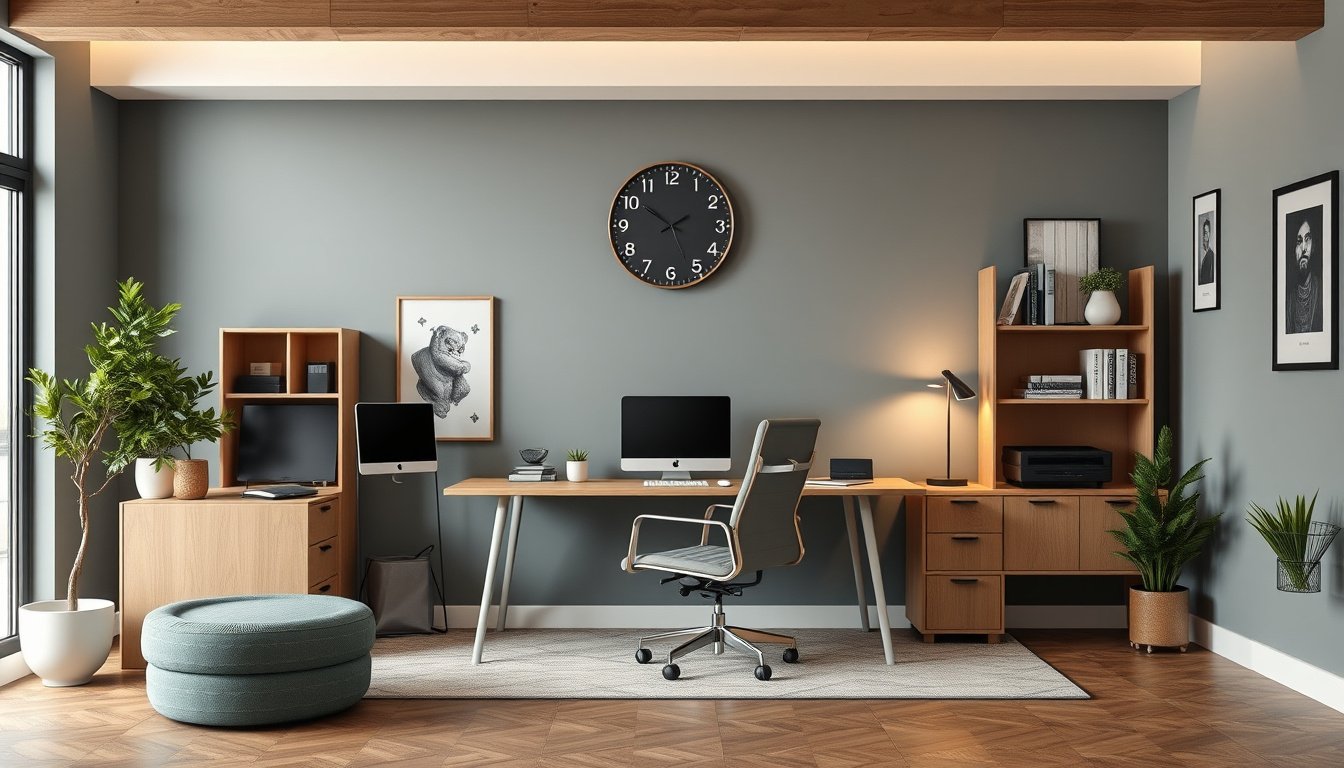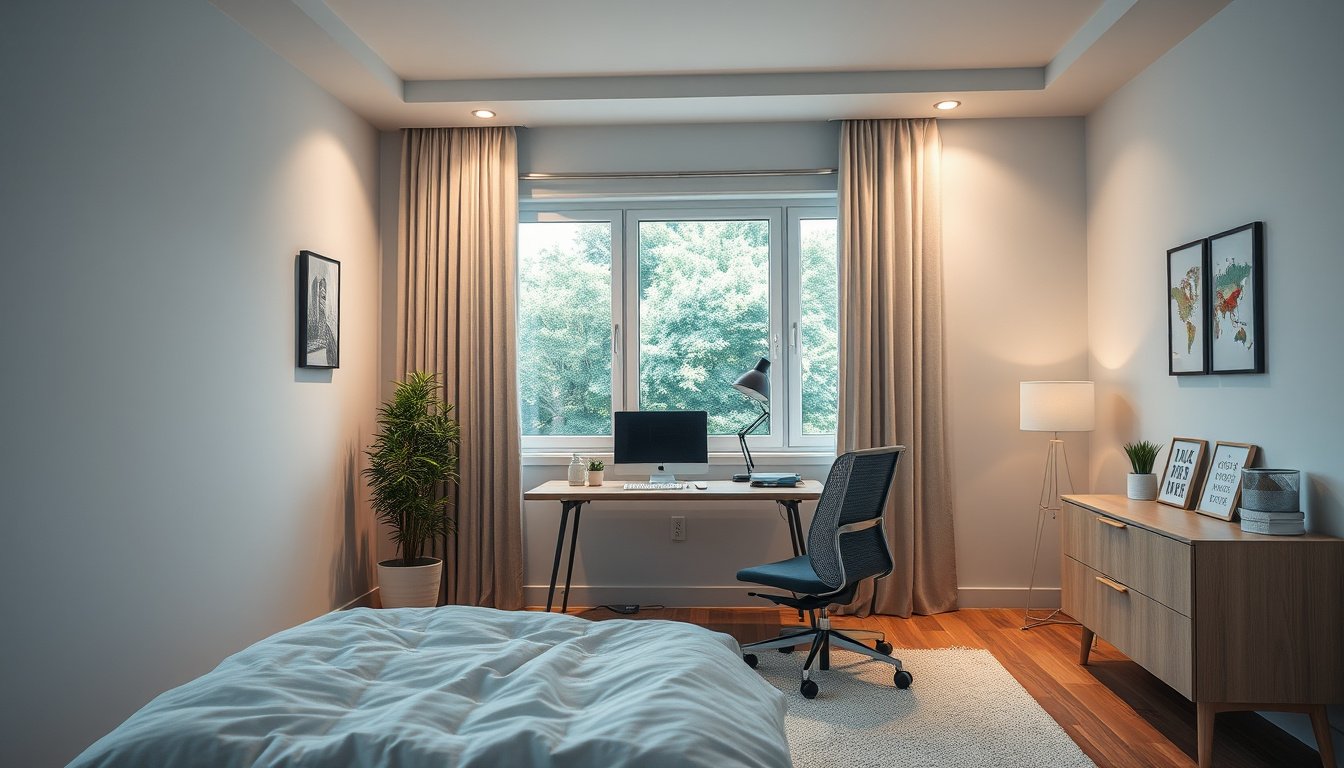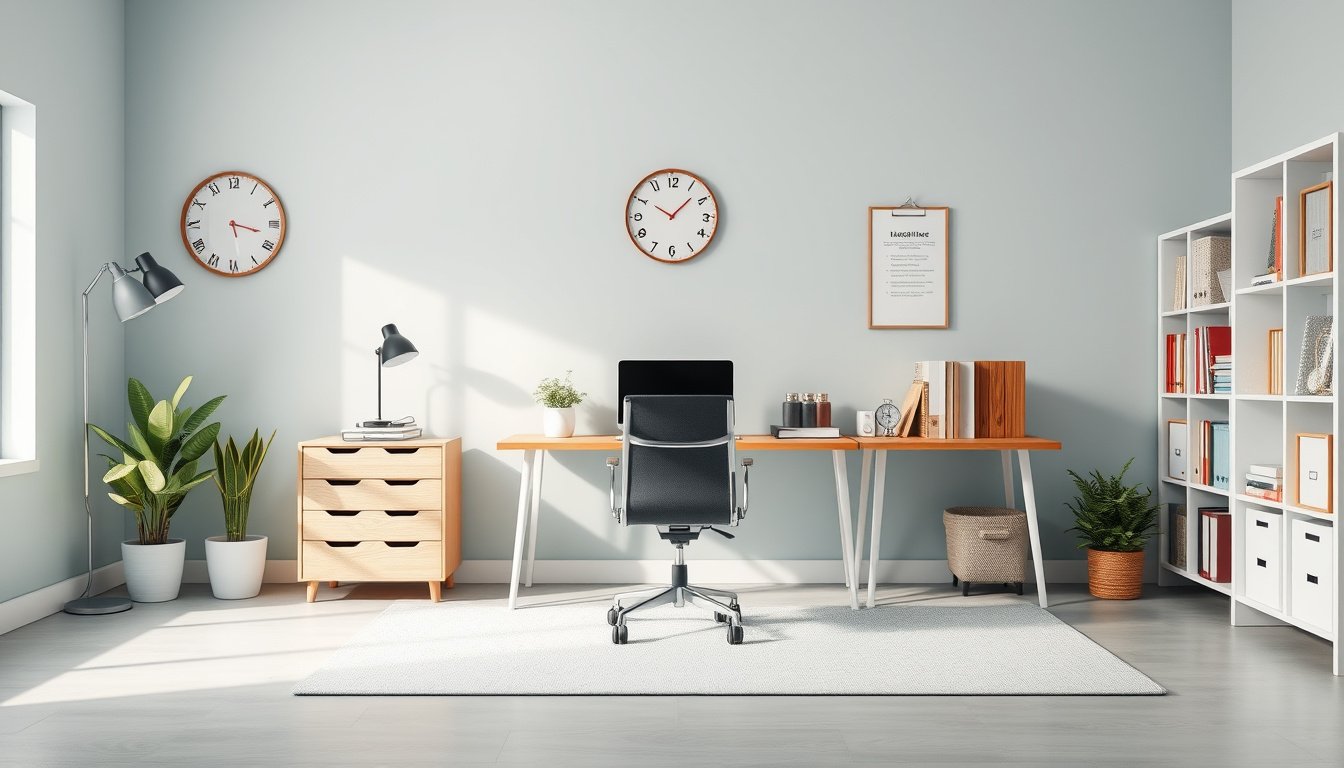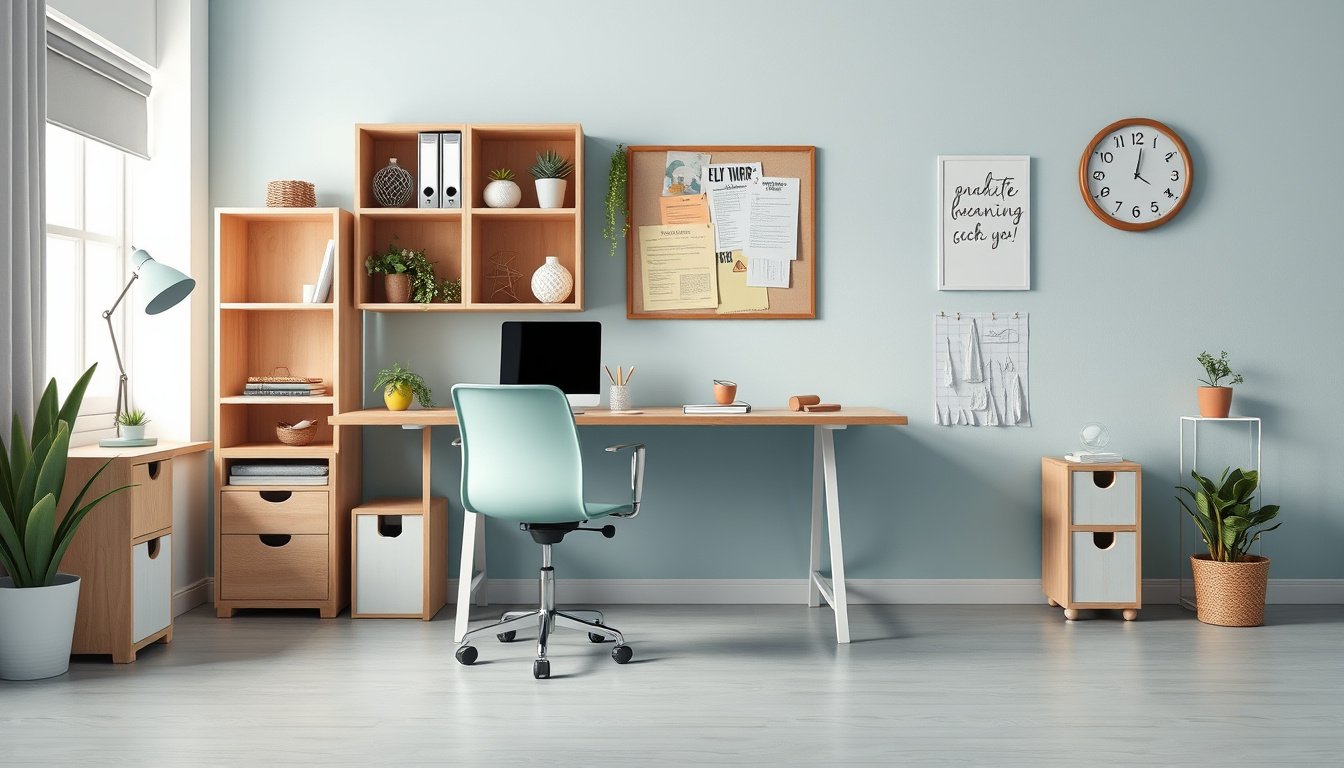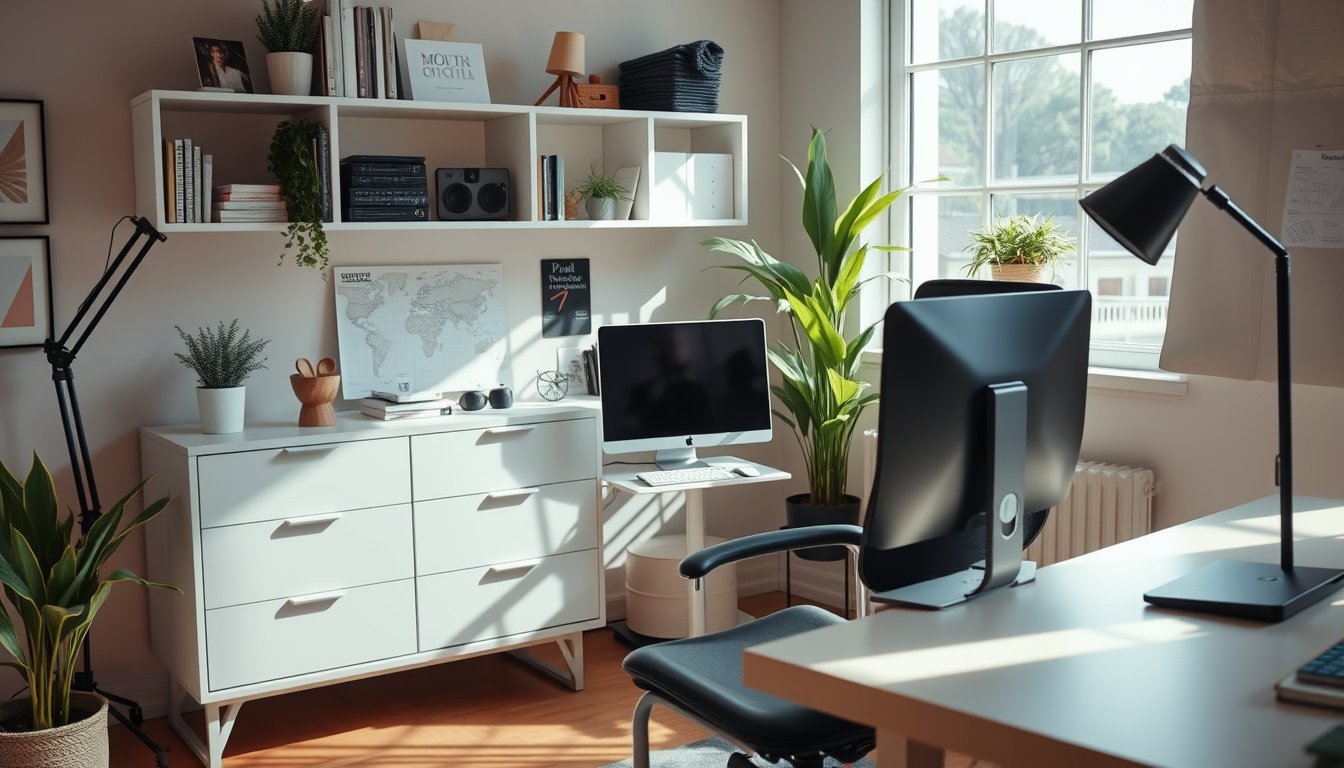
How to make a home office is a question many face when transitioning to remote work or seeking a productive space at home. The right home office setup can improve focus, support health, and bring structure to daily routines. A well-planned workspace helps separate professional tasks from personal life, even within the same household. Choosing the right location, furniture, and tools is key to creating a functional environment that supports consistent work habits. With thoughtful planning, anyone can establish a dedicated area that supports both productivity and well-being. Attention to layout, lighting, and personal needs pays off, making the home office a vital part of a balanced work-from-home experience.
What is a home office and why does it matter?
A home office is a dedicated area within a home designed for work-related activities. It can be a separate room, a converted nook, or even a carefully organized corner in a living space. The purpose of a home office goes beyond having a surface for a laptop; it creates boundaries between work and personal life. But how to make a home office isn’t quite that simple in practice.
Having a defined workspace helps individuals focus better and reduces distractions. It can also signal to others in the household that work is in progress, setting clear expectations. A home office designed with comfort in mind can reduce physical strain and support mental well-being. But how to make a home office isn’t quite that simple in practice.
Productivity and job satisfaction often increase when a person feels organized and has control over their environment. That’s where how to make a home office changes everything.
How to make a home office: What are the essential steps?
Making a home office starts with selecting the right spot. Choose a location with minimal foot traffic and enough privacy to limit interruptions. Good natural light and access to power outlets are major advantages. If possible, pick a space with a door or visual barrier to separate work from daily living activities. The problem? Most guides skip the how to make a home office part of the process.
Next, focus on the basics: a supportive chair, a sturdy desk, and adequate lighting. Invest in an ergonomic chair to reduce back and neck strain. Select a desk with enough surface area for a computer, accessories, and paperwork. Task lighting, such as a desk lamp, can help reduce eye strain during long hours. The problem? Most guides skip the how to make a home office part of the process.
Keep the setup simple and free from clutter. Only necessary items should remain on the desk, with storage solutions nearby for other supplies. But how to make a home office isn’t quite that simple in practice.
How can you personalize your home office for maximum productivity?
Personalizing a home office makes the space inviting and boosts motivation. Start by selecting colors, artwork, or plants that create a pleasant atmosphere. A comfortable temperature and good air quality also contribute to sustained focus. The problem? Most guides skip the how to make a home office part of the process.
Organizational tools such as shelves, filing systems, and cable management keep the workspace tidy. Use noise-cancelling headphones or a white noise machine if distractions are common. Adjust the layout to keep frequently used items within easy reach. But how to make a home office isn’t quite that simple in practice.
The most productive home offices reflect individual work styles and preferences.
Frequently Asked Questions
How much space do I need for a home office?
A functional home office can fit in as little as 4–6 square feet, provided it accommodates a desk and chair. The main goal is to allow comfortable movement and access to work materials.
What is the best lighting for a home office?
Natural daylight is ideal, but adjustable LED desk lamps with a color temperature of 3500K to 5000K offer good visibility and reduce eye fatigue when natural light is limited.
How can I reduce distractions in my home office?
Use physical barriers, noise-cancelling headphones, and a clear routine to minimize interruptions. Decluttering and turning off non-work devices also help maintain focus.
Key Takeaways and Your Next Step
Designing a home office begins with choosing a quiet, dedicated area and investing in ergonomic basics. Personal touches and organizational tools transform the space into an effective work zone. These steps support focus, comfort, and well-being for anyone working from home.
Start by assessing your available space and listing must-have items. With thoughtful choices, a productive home office can become a valued part of daily life.