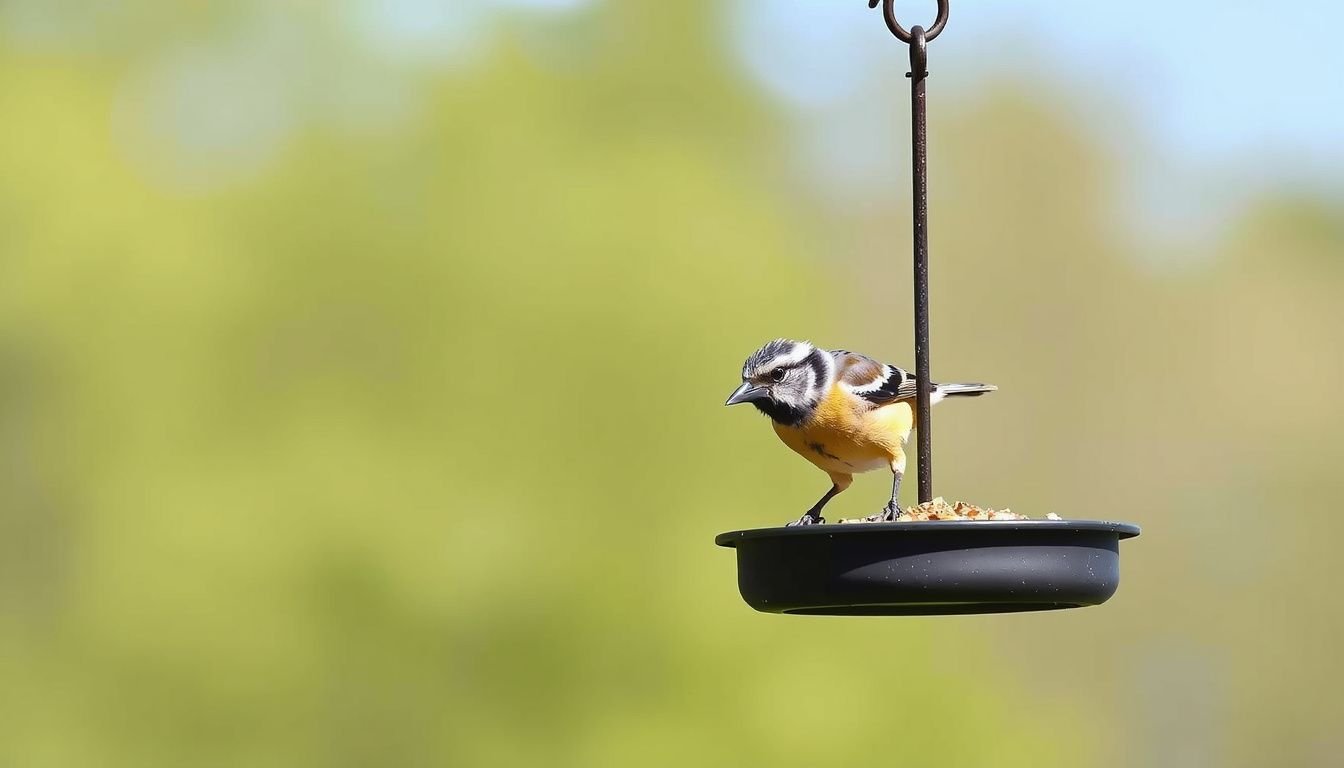
Anyone wondering how to attract birds to bird feeders usually discovers it’s about more than hanging a seed tube in the yard. Birds judge food quality, safety, cover, and consistency before committing. A yard that looks perfect to a person may feel risky or uninteresting to local species.
The good news: small, targeted changes can transform a quiet feeder into a busy hub. This guide walks step by step through understanding local birds, choosing the right feeders and foods, placing them wisely, and maintaining a healthy, attractive setup. By the end, a reader can design a feeder system that suits their region, supports bird health, and offers daily close-up views of wild birds.
Understand Local Birds Before Setting Up Feeders
Before buying anything, they should identify which birds already use the area. Different regions favor different species, and each has specific preferences.
They can start by:
- Watching trees, shrubs, and powerlines at dawn and late afternoon.
- Using a bird ID app or field guide to learn names and habits.
- Noting beak shape, size, and feeding behavior (ground vs. perching).
Those observations reveal what types of feeders and foods will actually work. For instance, finches prefer small seeds and narrow perches, while woodpeckers look for suet and vertical surfaces. A quick check of local birding group posts or eBird.org lists shows which species are common in each season.
That way, they invest in gear that matches real birds, not just packaging promises.
Choose the Right Bird Feeders for Target Species
Once they know their likely visitors, they can select feeders designed for those birds. Using the wrong style is a common reason feeders stay empty.
| Bird Type | Best Feeder Style |
|---|---|
| Finches, sparrows | Tubular seed feeders with small perches |
| Cardinals, jays | Platform or hopper feeders with roomy perches |
| Woodpeckers, nuthatches | Suet cages, vertical feeders |
They should choose durable materials: metal ports, UV-resistant plastic, and secure lids. Weight-sensitive “squirrel-proof” models help protect seed budgets.
Pro tip: use at least two feeder types to reduce crowding and aggression. A common mistake is one overstuffed feeder that forces dominant birds to chase others away. Multiple feeders spread traffic and attract more species at once.
Select Bird Foods That Match Birds’ Natural Diets
Food choice can make or break a feeding station. Birds quickly judge quality and won’t waste energy on filler seeds.
High-value options include:
- Black oil sunflower seed – top choice for cardinals, chickadees, finches.
- Nyjer (thistle) – ideal for goldfinches and siskins.
- Suet cakes – attract woodpeckers, nuthatches, wrens.
- Quality seed mixes – with minimal millet and no colored bits.
They should avoid cheap mixes heavy in red millet or cracked corn, which many songbirds kick out. That waste piles under feeders and attracts rodents.
Look, matching natural diets matters. Insect-eating birds respond well to suet and mealworms, while seed-eaters stick to grains and oils. Rotating foods seasonally—higher fat in winter, more variety in migration periods—keeps birds returning.
Position Feeders Strategically for Safety and Visibility
Placement affects both how safe birds feel and whether they notice the feeders. A perfect feeder in the wrong spot can stay unused.
They should:
- Place feeders 5–15 feet from dense shrubs or trees for quick cover.
- Keep 3+ feet away from windows or use decals to reduce collisions.
- Raise feeders 5–6 feet high to deter cats and other ground predators.
Feeders visible from multiple directions attract more birds, but they still need escape routes. Avoid hanging feeders in totally open lawn with no shelter nearby; small birds feel exposed to hawks.
A common mistake is placing feeders too close to busy doors or loud patios. Birds adapt somewhat, but heavy foot traffic can delay regular use by weeks.
Create a Bird-Friendly Habitat Around the Feeders
Feeders work best as part of a broader habitat. Birds evaluate the entire yard: cover, water, nesting options, and noise levels.
They can enhance attractiveness by:
- Planting native shrubs and trees that offer berries, seeds, and insects.
- Providing a shallow birdbath with clean water and a rough bottom.
- Leaving some leaf litter and dead stems for insects and shelter.
Real-world example: A homeowner with an empty feeder added two native berry shrubs, a small birdbath, and a brush pile in a corner. Within three weeks, chickadees, cardinals, and a downy woodpecker were visiting daily.
Those structural elements signal long-term resources, not just a temporary snack bar.
Keep Bird Feeders Clean and Maintain Healthy Flocks
Attracting birds also means protecting them from disease. Dirty feeders can spread infections quickly through local populations.
They should:
- Empty and scrub feeders every 1–2 weeks with hot, soapy water.
- Disinfect monthly with a 1:9 bleach-to-water solution, then rinse thoroughly.
- Rake or sweep old seed hulls from the ground to discourage mold and rodents.
During disease outbreaks reported by wildlife agencies, they may need to pause feeding for a short period and deep-clean all equipment.
Pro tip: choose feeders that disassemble easily. If it’s hard to take apart, it usually ends up staying dirty. Healthy birds visit more confidently and linger longer.
Solve Common Problems That Discourage Birds
Several recurring issues can make feeders less appealing. Identifying the pattern helps them fix problems quickly.
Typical challenges include:
- Squirrels – use baffles, pole-mounted feeders, or weight-activated perches.
- Predatory cats – keep feeders away from hiding spots; use bell collars on outdoor cats.
- Stale seed – buy smaller bags at first; store in airtight containers.
If birds ignore a feeder for more than two weeks, they can try moving it a few feet, changing the seed type, or lowering human disturbance nearby.
A common mistake is changing everything at once. Adjust one variable, wait several days, then reassess.
Monitor Results and Refine the Bird Attraction Strategy
Successful bird feeding is iterative. They’ll learn what works by watching who shows up, when, and for how long.
Helpful habits include:
- Keeping a simple log of species, dates, and weather.
- Noting which feeders empty fastest and which stay full.
- Adjusting food types with the seasons and migration periods.
Over time, patterns appear: certain species prefer early morning, others show up after storms. That data guides future purchases and placement decisions.
They shouldn’t be afraid to retire ineffective feeders or foods. The goal isn’t a perfect setup on day one, but a gradually optimized system that keeps birds returning year after year.
What Readers Ask
How long does it take for birds to find a new feeder?
Anywhere from a few hours to several weeks. Visibility, nearby cover, and food quality all affect timing. If nothing visits after two weeks, adjust location or seed type.
Why do birds suddenly stop coming to my feeders?
Common reasons include nearby predators, spoiled seed, seasonal food shifts, or construction noise. Check seed freshness, clean feeders, and watch for hawks or cats before assuming birds “lost interest.”
Is it okay to feed birds year-round?
Yes, as long as feeders stay clean and food remains fresh. Birds don’t become “dependent” in healthy habitats; they treat feeders as one of many food sources.
You’re Ready
They now have a clear, practical framework for attracting birds to their feeders: understand local species, match feeders and foods to their needs, and place everything where birds feel safe. Layering in habitat features like native plants and water multiplies results. Cleanliness keeps flocks healthy and protects local ecosystems.
From here, the next action is simple: start small with one or two quality feeders, a reliable seed type, and a nearby shrub or tree for cover. Then observe, tweak, and record what happens. Within a short time, those quiet poles and platforms can become a lively, sustainable bird oasis.