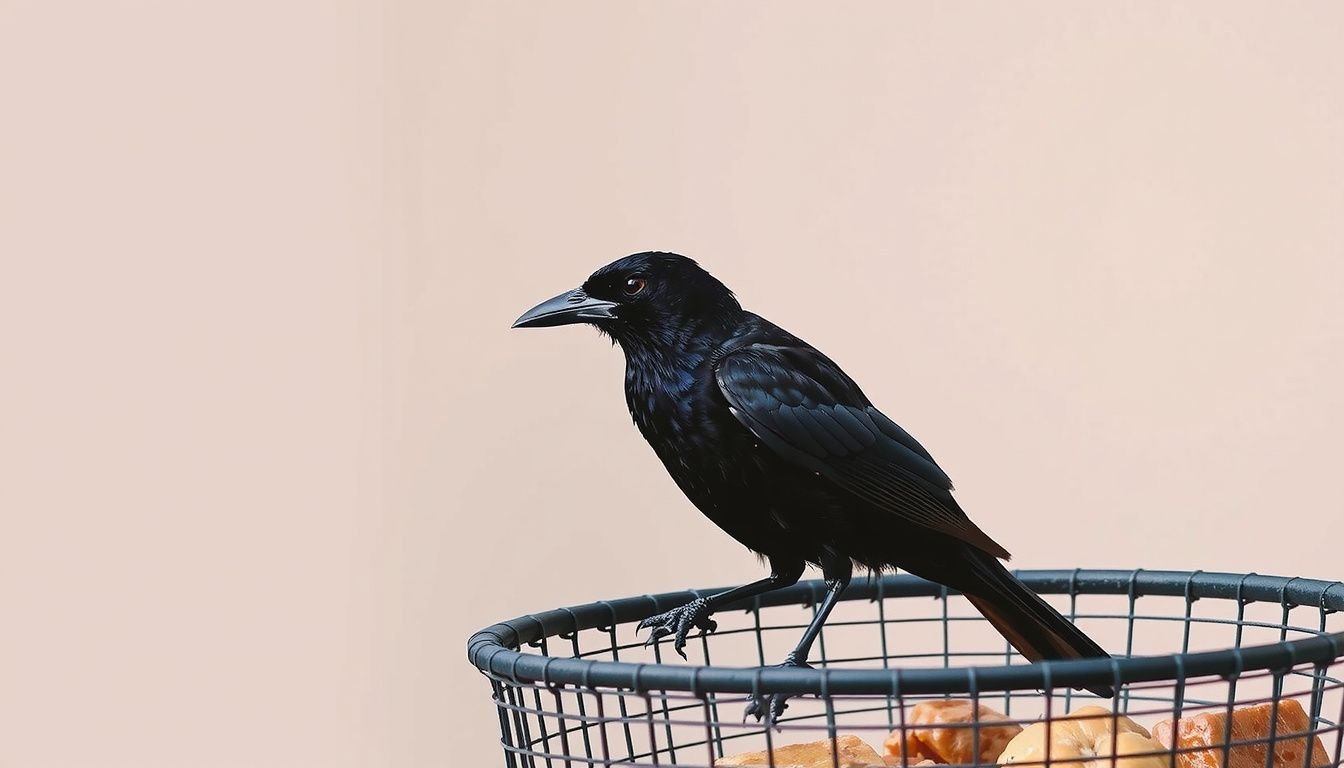
Anyone searching for how to get rid of grackles at bird feeders usually wants one thing: fewer bullies, more songbirds. Grackles arrive in loud flocks, empty feeders fast, and scare off smaller birds. The goal isn’t harming them; it’s reshaping the feeding station so grackles simply lose interest.
This process comes down to four levers: food, feeder design, placement, and consistency. By tightening each of these, a person can make the space far less attractive to grackles while keeping chickadees, finches, and cardinals happy. Look, it takes a bit of tinkering, but the changes are simple and repeatable.
Once someone understands what grackles want—and how to remove those rewards—the problem usually fades within a couple of weeks.
Assess Grackle Activity and Feeding Station Setup
The first step is observation. For 3–5 days, they should watch when grackles arrive, which feeders they use, and what they eat. Short notes help: time of day, flock size, and feeder type.
They can then map out weaknesses in the setup:
- Large open trays or platform feeders
- Mixed seed with corn, millet, or sunflower chips
- Easy perches and low hanging heights
One practical example: A homeowner notices grackles only hit the ground tray and the mixed-seed tube, but ignore the nyjer finch feeder. That instantly reveals where to focus changes. The person should also note whether grackles are nesting nearby or just passing through, since migrating flocks can be intense but temporary.
A quick phone photo log can make patterns very obvious.
Prepare Feeders and Food to Discourage Grackles
Grackles are driven by food density and easy calories. The fastest fix is changing what’s offered. They should remove or drastically reduce:
- Corn (whole or cracked)
- Millet-heavy mixes
- Sunflower chips and cheap “wild bird” blends
Instead, they can switch to feeds that many grackles dislike or can’t handle well:
- Black oil sunflower in the shell
- Safflower seed
- Nyjer (thistle) for finches
Food changes work best when done abruptly, not gradually. They should clean out old seed, scrub feeders, and refill with the new mix all at once. A light hot-pepper suet (commercially prepared) in a cage feeder can deter some grackles while still attracting woodpeckers; they must avoid coating loose seed with homemade pepper mixes that can blow into birds’ eyes.
Adjust Hardware and Layout to Exclude Grackles
Once the food is less attractive, the hardware should make access harder for big birds. They can prioritize:
- Weight-sensitive feeders that close under heavier birds
- Caged tube feeders with 1.5″ or smaller openings
- Clinging-style feeders with no large perches
Layout matters just as much. They should:
- Hang feeders 5–6 feet high on smooth poles with baffles
- Remove flat platform and ground feeders or use them only briefly in winter
- Space feeders apart so grackles can’t dominate every perch at once
A simple layout change—moving the main pole 10–15 feet away from dense shrubs—often reduces grackle confidence, since they lose quick escape cover. Small birds adapt quickly, while wary flocking species may peel away.
Maintain Results and Monitor Bird Feeder Behavior
Grackles test boundaries. Once the new setup is in place, the person should commit to 2–3 weeks of consistent rules. No “treat” trays of mixed seed, no spilled piles on the ground, no leftover bread or kitchen scraps.
They can keep a short weekly checklist:
- Clean seed hulls and spilled food under feeders
- Top off feeders with the same grackle-resistant mixes
- Watch for new access points or bent perches
If grackle numbers spike again, they can temporarily take feeders down for 48–72 hours. Flocks usually move on when the easy buffet disappears. Seasonal adjustments help too: in peak migration months, they might run only caged or weight-sensitive feeders.
Over time, the yard’s “audience” shifts toward smaller, less aggressive birds that match the new rules.
Frequently Asked Questions
Do fake owls or predator decoys work on grackles?
Only briefly. Grackles quickly learn that static decoys aren’t a real threat. They’re far less effective than changing feeders, food, and placement to remove rewards.
Will changing seed hurt the smaller birds I want to attract?
Usually the opposite. Safflower, sunflower in the shell, and nyjer are excellent for cardinals, chickadees, finches, and titmice. Most desirable backyard species adjust within a few days.
Can I get rid of grackles completely?
Probably not, and that’s fine. The realistic goal is reducing flock size and visit length so grackles stop dominating feeders and become only occasional visitors.
Putting It Into Practice
The most effective strategy is systematic, not aggressive. First, they observe where grackles win. Next, they remove the payoff: corn-heavy mixes, easy platforms, and low, exposed feeders.
Then they introduce grackle-resistant foods and hardware that physically favors small birds.
From there, it’s about habits. Regular cleanup, consistent seed choices, and temporary feeder breaks during heavy flock activity keep pressure low. If they treat the yard like a controlled feeding system—not a buffet—grackles usually decide it’s no longer worth the effort and move on to easier pickings.