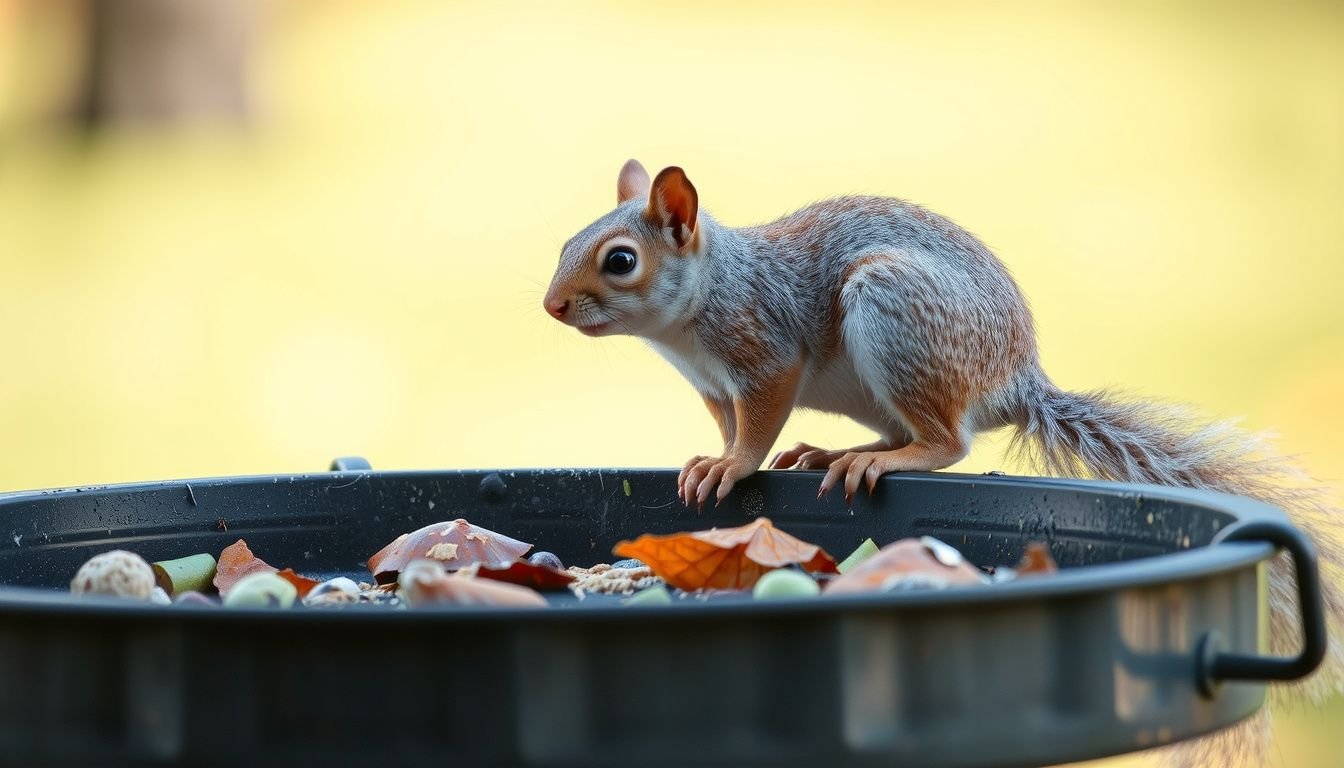
Anyone searching for how to get rid of squirrels from bird feeders usually wants one thing: birds at the feeder, squirrels on the ground. Not the other way around. Squirrels are smart, agile, and relentless, so a random gadget or two rarely solves the problem.
A systematic setup does. This guide walks through how to assess the yard, choose the right hardware, and position everything so squirrels find easier food elsewhere. The goal isn’t to harm them, but to make access so difficult they give up.
With a few targeted changes, most people can cut squirrel raids dramatically within a week and keep them under control long term.
Assess the Squirrel Problem Before Taking Action
Before buying gear, they should understand exactly how squirrels are reaching the feeders. That dictates the right solution and saves money on gimmicks.
First, they can watch the feeders for 10–15 minutes during peak activity (usually morning). They should note:
- Where squirrels launch from: fence, roof, tree branch, ground.
- How they climb: pole, chain, shepherd’s hook, tree trunk.
- What they’re after: seed type, suet, spilled seed on the ground.
Next, they should measure clear distances. Squirrels can jump roughly 8–10 feet horizontally and 4–5 feet vertically. Any nearby structure inside that radius is a launchpad.
They should also identify species. Gray squirrels are strong jumpers; red squirrels are small and crafty; flying squirrels are nocturnal. Different behaviors may require slightly different positioning and hardware choices.
Choose and Install Squirrel-Resistant Bird Feeders
The right feeder design can cut squirrel access dramatically before any extra hardware is added. They should look for models marketed as “squirrel-proof,” but still evaluate the mechanics critically.
Key features to prioritize include:
- Weight-activated perches that close access ports under a squirrel’s weight.
- Metal seed ports and lids to prevent chewing through plastic.
- Secure locking tops so squirrels can’t pry open the lid.
They should mount feeders using closed hooks or carabiners so squirrels can’t easily knock them down. Hanging multiple small feeders rather than one large one often reduces damage and makes it easier to experiment with placement.
Look, even the best feeder fails if installed poorly. They should test each new feeder by gently pulling and twisting it to ensure it’s stable and can’t be easily dislodged by a jumping squirrel.
Position Feeders Strategically to Block Squirrel Access
Placement is where many setups fail. A “squirrel-proof” feeder hung next to a branch is just a squirrel platform. Distance is everything.
Basic spacing rules:
- At least 8–10 feet horizontally from trees, fences, decks, and roofs.
- At least 4–5 feet above ground to reduce direct ground jumps.
- Prefer open areas with clear sightlines, like the middle of a lawn.
A common, effective layout uses a dedicated bird-feeding pole in the yard. They can place it in the most open spot available, then hang feeders from arms extending out from the pole.
Real-world example: One homeowner moved feeders from a deck rail to a pole 12 feet away from the nearest tree and raised them to 5.5 feet. Squirrel visits dropped from daily to once a week, and those attempts failed.
Use Baffles, Poles, and Seed Choices to Deter Squirrels
Once feeders are placed, hardware and seed choices finish the job. The combination matters more than any single item.
Effective deterrents include:
- Pole baffles (cone or torpedo style) mounted 4–5 feet above ground to stop climbing.
- Hanging baffles above feeders to block top-down approaches from branches.
- Smooth metal poles instead of wood, which is easy to climb.
Seed strategy helps too. They can prioritize:
- Safflower seed (many squirrels dislike the taste).
- No-shell mixes to reduce attractive piles of waste on the ground.
- Avoiding corn and peanuts in hanging feeders; offer them in a separate ground tray if they want to “bribe” squirrels away.
They should always secure baffles tightly. Loose hardware is a common failure point that squirrels exploit quickly.
Maintain and Adjust the Setup for Long-Term Success
Squirrels learn. A setup that works perfectly in week one can fail in week four if it’s not maintained or adjusted. Ongoing checks keep the system effective.
They should create a simple routine:
- Weekly: Inspect baffles, hooks, and poles for loosening or damage.
- Every refill: Check for chew marks, bent parts, or new access routes.
- Seasonally: Reassess tree growth and new structures that shorten jump distances.
If squirrels figure out a new route, they shouldn’t scrap everything. They can change one variable at a time: raise the baffle 6 inches, move the pole 2 feet, or switch seed types. Small tweaks often restore effectiveness.
They should also keep the ground tidy. Raking up spilled seed and hulls reduces the reward for persistent squirrels and discourages other pests like rats.
Common Questions
Do spicy or hot pepper seeds really work?
Capsaicin-coated seeds can deter many squirrels while birds remain unaffected. Some squirrels adapt, though, and rain can wash off coatings. It’s best used as a supplement, not the only strategy.
Is it okay to feed squirrels separately to protect bird feeders?
Sometimes offering a ground feeding area with corn or peanuts distracts squirrels. However, it can attract more squirrels overall. It works best when combined with strong physical barriers at feeders.
Will petroleum jelly or grease on poles stop squirrels?
Grease is unsafe. It can mat fur and feathers, harm wildlife, and create a mess. A proper pole baffle or smooth metal pole is safer, more effective, and easier to maintain.
Can squirrels damage bird feeders permanently?
Yes. They can chew through plastic, bend weak metal, and break flimsy hanging hardware. That’s why metal components, locking lids, and sturdy poles are worth the investment.
What to Do Now
The fastest path to fewer squirrels starts with observation, not purchases. They can spend one morning mapping how squirrels reach their current feeders and noting jump distances. Next, they should choose at least one squirrel-resistant feeder and a dedicated metal pole in the most open part of the yard.
Adding a properly placed baffle and switching to less-attractive seed, like safflower, usually cuts raids quickly. Over the next few weeks, they can fine-tune placement and hardware based on what the squirrels try next. With a deliberate setup and occasional adjustments, they’ll shift the balance so birds win the feeder and squirrels move on to easier food sources.