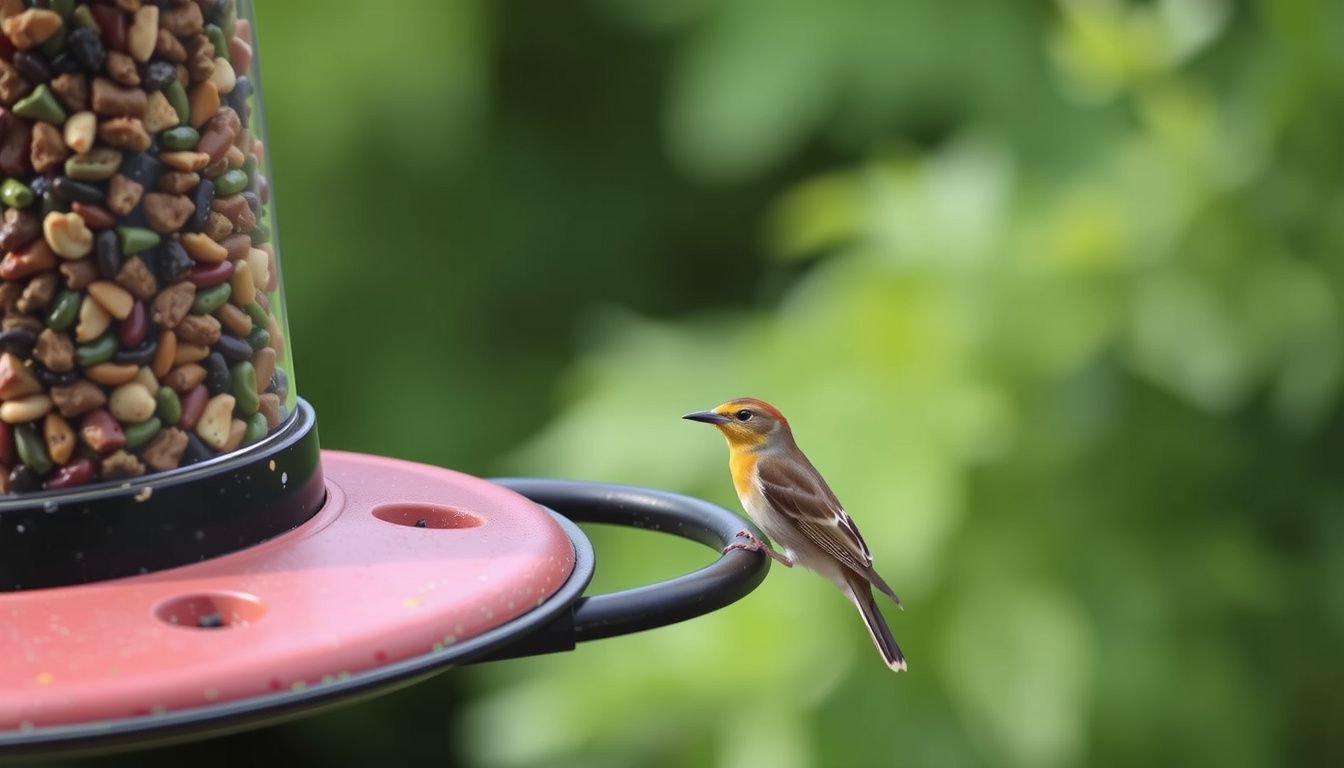
Anyone searching for how to keep ants off bird feeders usually wants a fix that works fast and doesn’t harm birds. Ants are drawn to sugar, fat, and moisture, so nectar, suet, and seed feeders become easy targets. Left unchecked, ants can overwhelm a feeder, contaminate food, and even drive birds away.
The good news: a few strategic changes in setup, hardware, and maintenance can stop most invasions. This guide walks through a clear, step-by-step approach, from understanding ant behavior to installing moats, barriers, and safe deterrents. By the end, they’ll have a simple routine that keeps ants off while keeping birds coming back.
Understand Why Ants Target Bird Feeders
Before fixing the problem, it helps to know why ants are there. Ants are foraging for three main things: sugar, fat, and water. Many bird foods conveniently offer all three.
They’re especially attracted to:
- Nectar and sugar water in hummingbird feeders
- Suet and peanut butter mixes
- Spilled seed that’s damp or starting to ferment
Ants follow scent trails laid down by scouts. Once one ant finds a feeder, others quickly follow the chemical path. Warm, shaded, or sheltered locations make feeders even more attractive because food stays moist and accessible.
Understanding this behavior shows why success usually requires a combination of location changes, physical barriers, and cleanliness rather than a single “magic” product.
Assess the Current Ant Problem Around Feeders
Now they should diagnose the situation before changing everything. Start with a quick inspection around each feeder.
Check:
- Where ants are coming from (tree trunk, deck rail, house siding, ground nest)
- How they’re reaching the feeder (pole, chain, hook, branch, wall)
- Which food type is most affected (nectar, seed, suet)
Look for visible ant trails and follow them back to their origin if possible. Note whether ants appear only during certain times of day or after rain. A short video on a phone can help review their routes.
This assessment guides which solutions matter most: location changes, moats, or barriers. A common mistake is treating the feeder without addressing the access path, which lets ants return within hours.
Choose the Right Location to Discourage Ants
Feeder placement can make or break any ant-control strategy. The ideal setup limits direct “bridges” from trees, railings, or buildings.
Use these guidelines:
- Hang feeders from a smooth metal pole at least 5–6 feet from trees or structures.
- Avoid branches, fences, or clotheslines that let ants drop or step directly onto feeders.
- Keep feeders out of dense foliage where ants travel easily and moisture lingers.
Height matters too. Hanging feeders 5–7 feet high reduces access from ground vegetation and makes maintenance easier. A real-world example: one homeowner moved a hummingbird feeder from a shaded porch beam (touching vines) to a freestanding pole in open lawn.
Ant activity dropped overnight, even before installing any hardware, simply because the main ant highway disappeared.
Install and Use Ant Moats Effectively
Ant moats are one of the most effective tools for keeping ants off hanging feeders, especially nectar feeders. They’re small cups that create a water barrier ants can’t cross.
To use them correctly:
- Choose a moat sized for the feeder’s weight and hook style.
- Hang the moat from the hook, then hang the feeder from the moat.
- Fill the moat with clean water up to the recommended line.
Pro tips: Add a drop of food-grade mineral oil to slow evaporation. Check and refill daily in hot weather. Keep the water clean; debris can form a “bridge” for ants.
A common mistake is installing the moat above some hooks and chains while leaving another contact point (like a nearby branch) that completely bypasses the moat.
Apply Safe Physical Barriers to Stop Ants Climbing
For pole-mounted feeders, physical barriers on the pole itself can be very effective. The goal is to create a zone ants can’t cross safely.
Common options include:
- Baffles: Cone or dome-shaped guards installed on poles.
- Sticky barriers: Commercial tree bands applied to a wrap, not directly to bark.
- Slippery surfaces: Smooth metal poles that are hard for ants to grip.
Always avoid petroleum jelly or cooking oils on poles; they become messy, trap insects, and can transfer to birds’ feathers. When using sticky barriers, apply them only to a protective wrap or band on the pole, not to living trees. Check barriers weekly for debris that may create a crossing path.
Maintain Clean Feeders and Surrounding Areas
Even the best hardware fails if feeders are dirty or food is constantly spilled. Ants are opportunists; any residue becomes a signal to explore.
Build a simple cleaning routine:
- Wash nectar feeders every 2–3 days in warm, soapy water.
- Clean seed and suet feeders weekly, or more often in wet weather.
- Rake or sweep up spilled seed under feeders at least once a week.
Use a scrub brush for ports and seams, where sugar and fat accumulate. Replace nectar at the first sign of cloudiness or mold. A small catch tray under seed feeders can reduce ground spill.
Many people skip this maintenance, then blame ants, when the real issue is a constant food source on the ground and on the feeder body.
Use Bird-Safe Deterrents and Avoid Harmful Products
Some products marketed for insects can harm birds or contaminate food. The priority is always bird safety.
Safe approaches include:
- Ant moats and physical barriers
- Relocating feeders away from heavy ant traffic
- Using plain water to rinse sugary drips immediately
Avoid:
- Spraying insecticides on or near feeders, poles, or nearby plants
- Greasing surfaces with petroleum-based products
- Strong essential oils directly on hardware where birds perch
If using any repellent near the area, keep it off feeder surfaces and food, and always verify it’s labeled safe around wildlife. When in doubt, stick to mechanical solutions and cleanliness; they’re reliable and non-toxic.
Monitor, Adjust, and Troubleshoot Persistent Ant Issues
Ant control around bird feeders isn’t a one-time task. Conditions change with weather, seasons, and yard landscaping.
Set a quick weekly check:
- Inspect moats, barriers, and pole wraps for damage or debris.
- Watch for new ant trails or nests closer to feeders.
- Note which feeder types attract the most ants and adjust placement.
If ants persist, consider switching nectar feeders to models with built-in moats, or moving the entire setup to a sunnier, more open area. For severe infestations, a licensed pest professional can target ant nests away from feeder zones. The key is small, regular adjustments instead of waiting until ants completely overrun the feeders.
What Readers Ask
Do ant moats really work for hummingbird feeders?
Yes, when installed correctly and kept filled with water, ant moats are highly effective for hummingbird feeders. They must be the only access path; no side branches or wires should bypass them.
Can I use Vaseline or oil on the feeder pole?
It’s not recommended. Greasy substances become messy, can trap insects, and may transfer to birds’ feathers. Use baffles, smooth metal poles, or commercial barriers instead.
Are ants harmful to birds if they reach the feeder?
Small numbers usually aren’t dangerous, but large infestations can contaminate food, deter birds, and in some cases bite or irritate them. It’s best to prevent ants from accessing food at all.
How often should I clean my feeders to reduce ants?
Clean nectar feeders every 2–3 days and seed or suet feeders weekly. Increase frequency during hot, wet, or heavily trafficked periods, and always clean up spilled food beneath feeders.
Will moving the feeder a few feet really make a difference?
Often it does. Moving a feeder off a porch rail or tree branch to a freestanding pole can break ant highways and reduce access dramatically, especially when combined with an ant moat.
Putting It Into Practice
Keeping ants off bird feeders comes down to three habits: smart placement, solid hardware, and consistent cleaning. First, relocate feeders away from trees, railings, and walls that act as bridges. Next, install ant moats on hanging feeders and effective barriers on poles.
Finally, maintain a simple cleaning routine that removes sugary residue and spilled seed before ants discover it. By observing ant trails and adjusting setups over a few weeks, most people find a combination that nearly eliminates ant problems while keeping feeders safe and inviting for birds.
Related read: How to Keep Ants Away From Bird Feeders Step by Step