How do birds find feeders when a yard is full of trees, fences, and distractions? They don’t “smell it from miles away” the way people often assume. Most of the time, they spot movement, recognize shapes and colors, follow other birds, and then remember reliable food spots.
It helps that many common feeder visitors—chickadees, finches, sparrows, cardinals, and woodpeckers—are wired to scan for safe, repeatable food sources. Once a feeder proves dependable, it can become part of their daily route.
Look at it like a neighborhood map: birds use multiple senses, but learning and routine do the heavy lifting. The sections below break down what actually draws birds in and what keeps them coming back.
Quick Facts Box
- Primary “finder” sense: Vision (shape, contrast, movement)
- Fastest way a feeder spreads: Social cues (birds watching birds)
- Biggest retention factor: Consistent, fresh food and safety
- Typical discovery time: A few hours to 2+ weeks, depending on habitat
How birds locate feeders through vision and movement
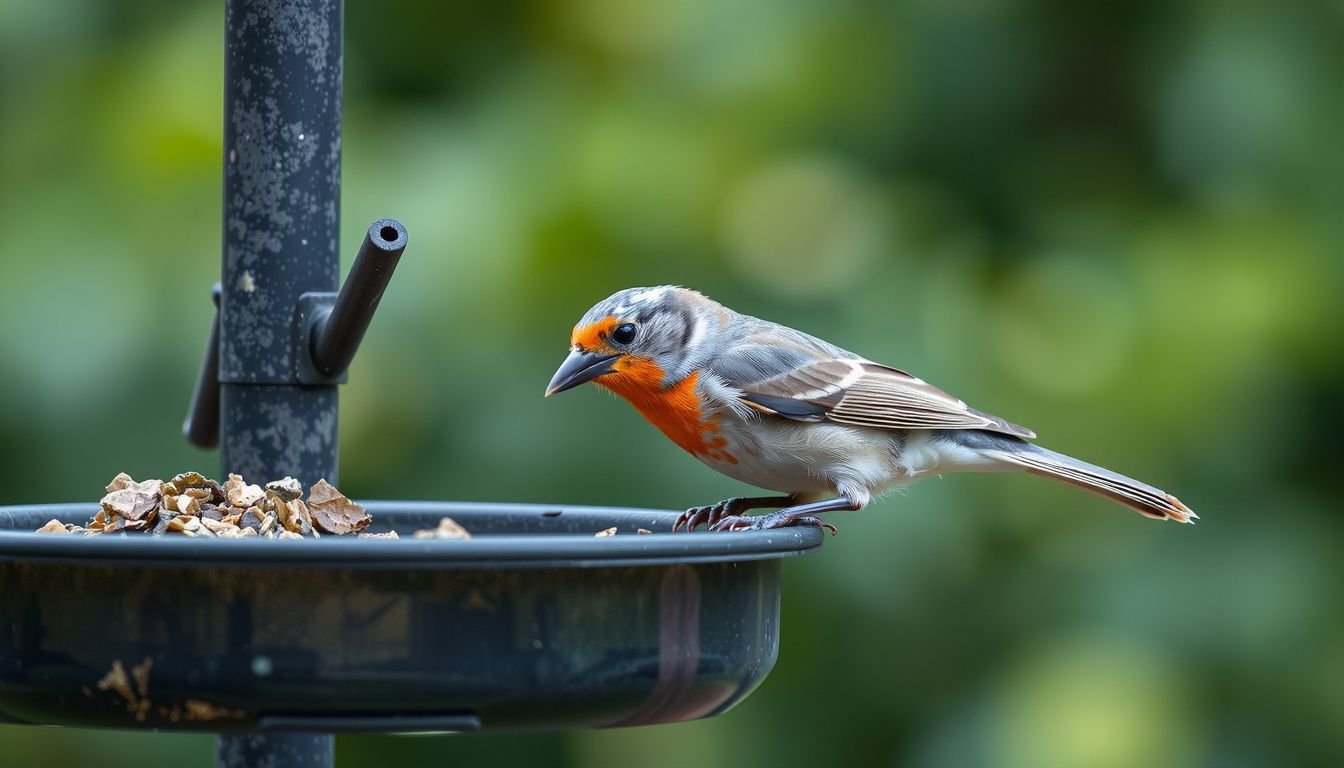
Most birds find feeders with their eyes first. They notice contrast (a dark feeder against snow, a bright feeder against shrubs) and motion (swaying feeders, birds hopping nearby). Many species also key in on familiar silhouettes—tube feeders, platform feeders, suet cages—once they’ve learned what those shapes mean.
Visibility matters more than people think. A feeder tucked deep under a deck roof may be “safe,” but it’s also easy to miss from typical flight paths. Birds also track activity: if they see a bird repeatedly landing in one spot, they investigate.
- Place feeders where they’re visible from open air approaches.
- Use steady, gentle movement (a stable hanger, not constant spinning).
- Keep the area around the feeder visually uncluttered.
How smell and taste influence feeder discovery
Smell plays a smaller role for many backyard songbirds than it does for mammals, but it isn’t irrelevant. Some birds have stronger scent abilities than people expect, and certain foods (like peanuts or very oily seed) can have detectable odors at close range.
Taste influences what happens after discovery. If the seed is stale, damp, or contaminated, birds may sample it once and avoid returning. Freshness and cleanliness create repeat visits, which then fuels social spread and habit formation.
- Store seed in airtight containers to reduce rancid oils.
- Avoid strongly scented additives; they can attract pests more than birds.
- Replace wet or clumped food immediately.
How hearing and learned sounds guide birds to food
Birds don’t usually “hear” a feeder, but they do respond to sound cues around it. The flutter of wings, contact calls, and the light tapping of birds cracking seed can signal a safe feeding opportunity. Some species, like jays and chickadees, are especially alert to these cues.
They also learn patterns: a quiet yard suddenly filled with finch calls can pull in other finches. Even human routines—like a door opening at the same time each morning—can become part of a predictable, non-threatening soundscape.
- Keep feeders in calmer zones away from constant loud machinery.
- Let natural bird activity build; avoid using recorded bird sounds.
- Use hardware that doesn’t clang loudly in wind.
How memory, routines, and territory shape feeder visits
Once a bird finds a reliable feeder, memory takes over. Many species run daily routes between cover, water, and food. If a feeder consistently provides high-value calories, it becomes a waypoint—especially in winter or during nesting season when energy demands are high.
Territory also matters. Some birds guard prime feeding zones, while others feed in waves when dominant birds move off. If a feeder is placed near good cover, birds can “stage” nearby and return repeatedly with lower risk.
- Keep feeding times and refills consistent for faster routine building.
- Provide nearby shelter (shrubs or small trees) without creating ambush spots.
- Offer multiple feeding stations to reduce territorial bottlenecks.
How social cues and flock behavior spread the word
Social learning is one of the fastest ways a feeder becomes busy. A single bird’s discovery can turn into a neighborhood hotspot because others watch, follow, and copy. Flocking species—finches, sparrows, blackbirds—often travel as information networks, and a dependable feeder becomes part of the group’s shared map.
Even solitary birds use social cues indirectly. If they see frequent landings with no signs of danger, they interpret the location as lower risk. That’s why the first visitor is so important: it “validates” the feeder for others.
- Start with universally popular foods (black oil sunflower seed, suet).
- Use two feeders to reduce crowding and keep activity steady.
- Keep cats indoors; predation events shut down social traffic fast.
How feeder placement and yard features affect visibility
Placement determines whether birds ever notice the feeder during normal movement. Feeders that sit along natural travel corridors—tree lines, hedges, fence edges—are discovered sooner than feeders isolated in the middle of an open lawn. Birds like clear escape routes, but they also need nearby cover.
A practical rule: position feeders about 8–12 feet from dense cover. That gives quick refuge while reducing the chance of a predator hiding right next to the food. Window safety matters too; reflective glass near a busy feeder can cause collisions.
- Keep feeders 3+ feet from windows or 30+ feet away, or add window decals.
- Hang at a stable height with easy sightlines from above.
- Add a water source; it increases overall yard traffic.
How food type and freshness change detection and return rates
Food choice affects both discovery and loyalty. High-fat, high-calorie items create faster repeat visits, which then increases the chance other birds notice activity. Mixed seed often contains filler that birds toss out, creating mess and reducing satisfaction.
Freshness is a deal-breaker. Seeds with rancid oils, moldy suet, or damp clumps can repel birds and create health risks. Clean feeders also reduce disease transmission, which is a growing concern in many regions.
| Food | Who it attracts | Best use |
|---|---|---|
| Black oil sunflower | Chickadees, finches, cardinals, nuthatches | Best “starter” seed for most yards |
| Suet | Woodpeckers, wrens, nuthatches | Cold weather and high-energy support |
| Nyjer (thistle) | Goldfinches, siskins | When finches are present locally |
How to help birds find a new feeder and keep them coming back
New feeders often need a “ramp-up” period. Birds may notice it immediately yet avoid it until it feels normal and safe. Consistency speeds that trust-building phase.
Practical example: If a homeowner installs a new tube feeder in early winter, they can start by filling it halfway with black oil sunflower seed and placing it near a visible shrub line. Within a week, chickadees typically investigate first; once they feed repeatedly, finches and sparrows often follow.
- Start with one high-quality food, not a complicated mix.
- Clean every 2–4 weeks (more often in wet weather or heavy use).
- Keep it stocked; empty feeders break routines quickly.
- Reduce hazards: cats, reflective windows, and slippery ice below feeders.
Quick Answers
How long does it take birds to find a new feeder?
It can take a few hours in high-traffic habitats or two weeks in quieter neighborhoods. Visibility, food type, nearby cover, and existing bird activity are the biggest factors.
Do birds find feeders by smell?
Usually not from far away. Most feeder birds rely on vision and social cues. Smell may help at close range, but freshness and taste matter more for repeat visits.
Why do birds visit, then stop coming?
Common causes include empty feeders, stale or wet seed, predator pressure, seasonal food shifts, or a nearby cat. Cleaning and consistent refills often restore traffic within days.
Should a feeder be in sun or shade?
Partial shade is often ideal. It helps keep food fresher and can feel safer, while still allowing clear sightlines. Deep shade can hide the feeder and slow discovery.
What This Means for You
Birds find feeders through a mix of visibility, social proof, and habit. If a feeder is easy to spot, stocked with fresh food, and placed near safe cover, birds typically discover it faster and return more reliably. The yard’s “layout” matters as much as the feeder itself.
They don’t need gimmicks. They need consistency, cleanliness, and a low-risk place to feed. When those basics are right, the first brave visitor often becomes the spark that brings a steady flow of birds to the yard.
- Vision leads: contrast and movement get attention first.
- Social cues spread: one bird feeding attracts others.
- Routine locks in: consistent food creates repeat visits.
- Placement matters: visible, safe, and window-aware wins.
- Fresh food keeps them: stale or wet seed drives them away.
Related read: How Do Birds Find Bird Feeders: Cues That Draw Them In