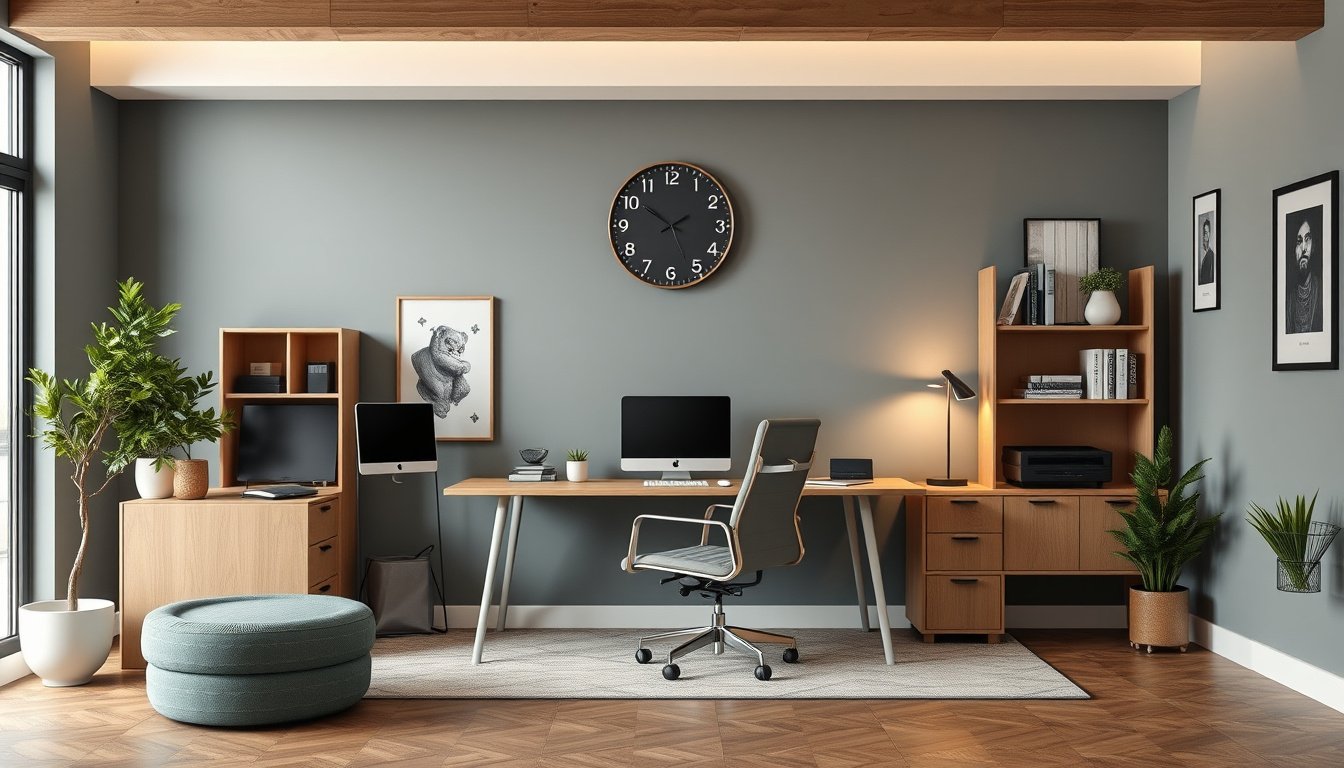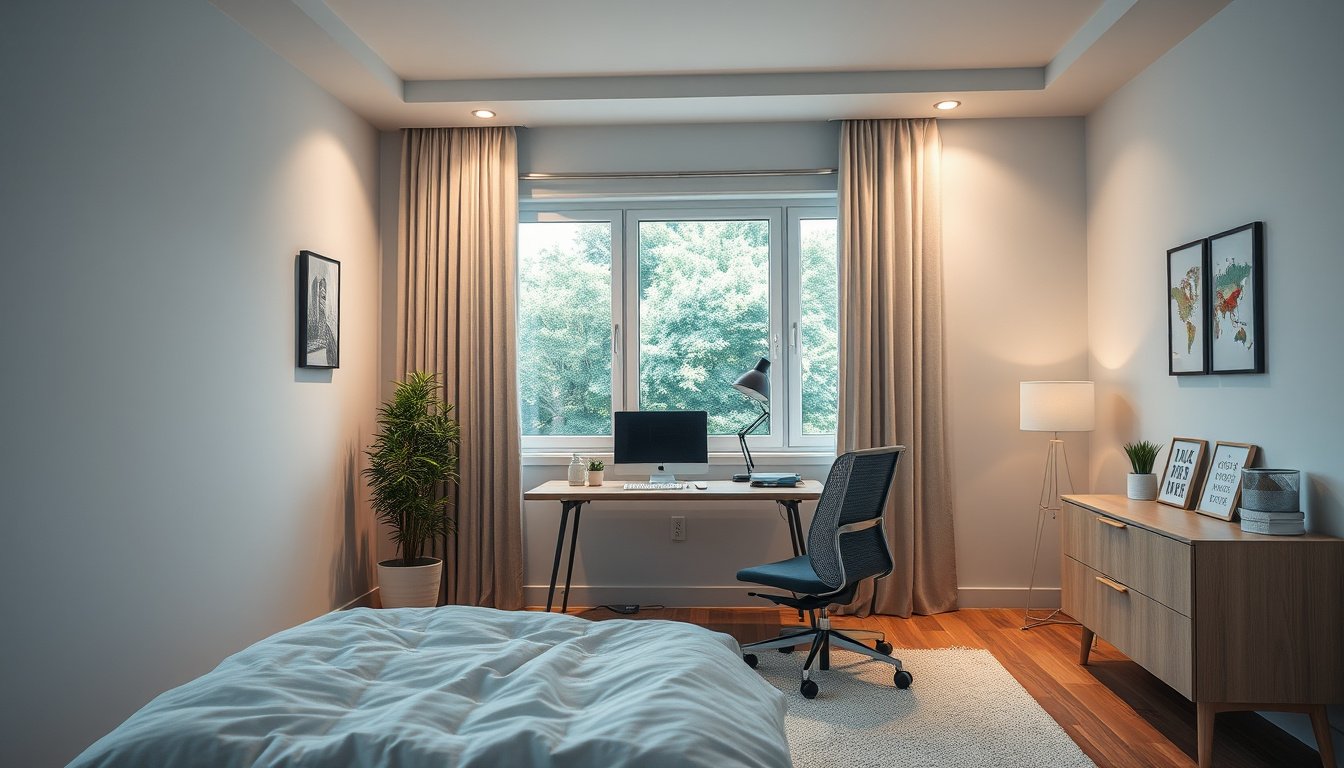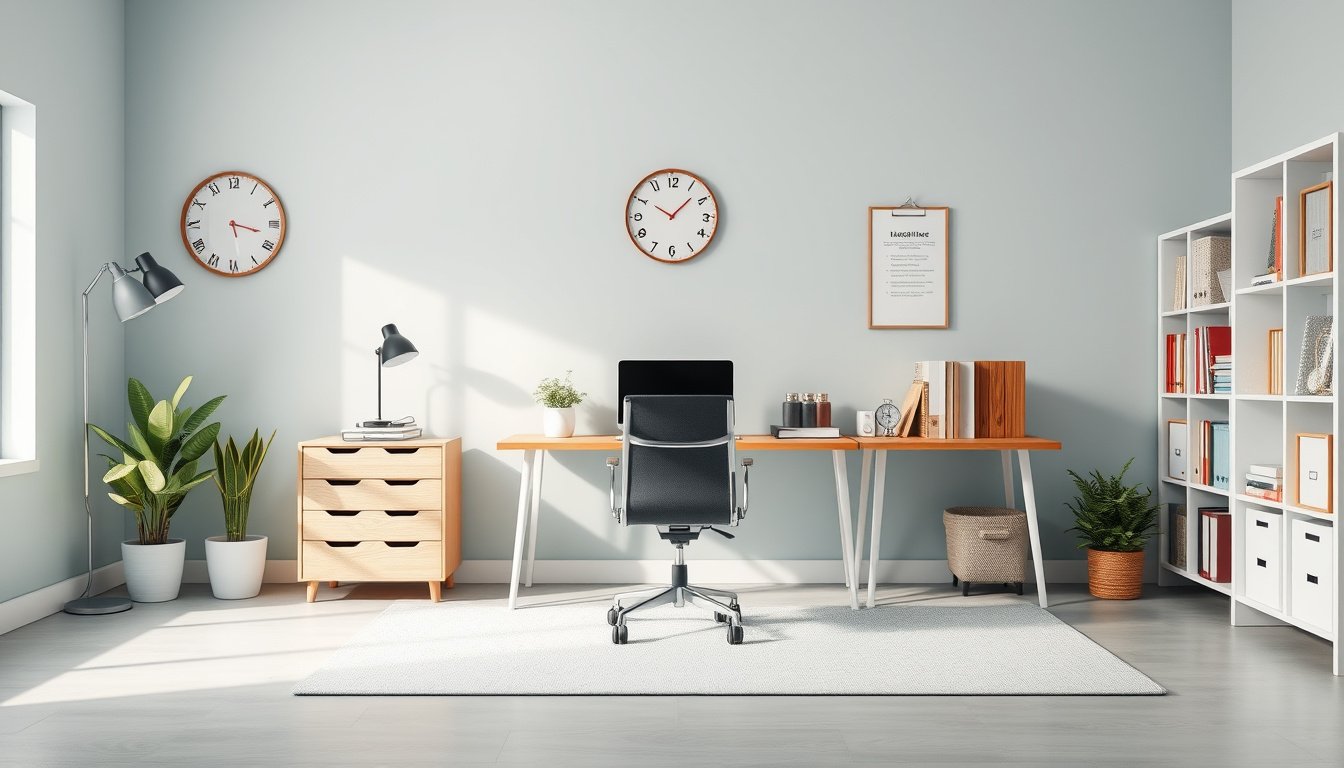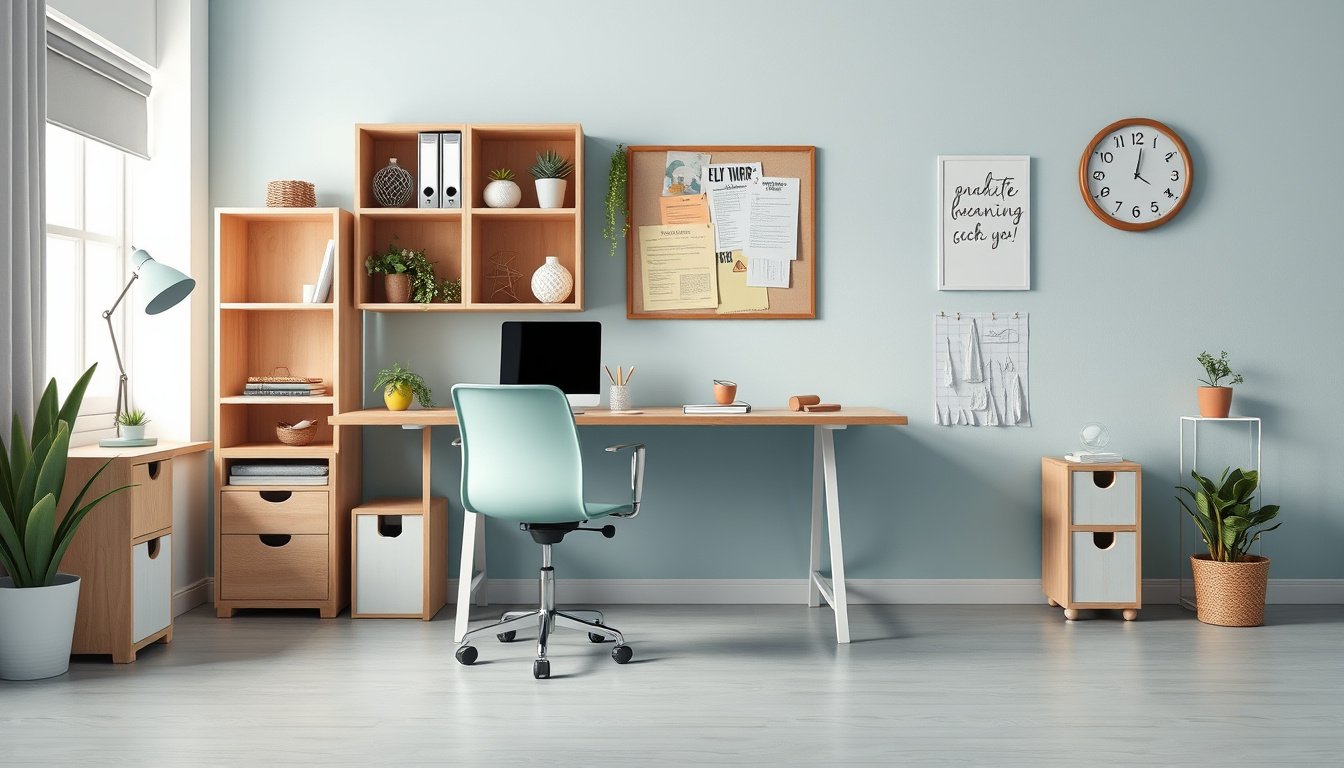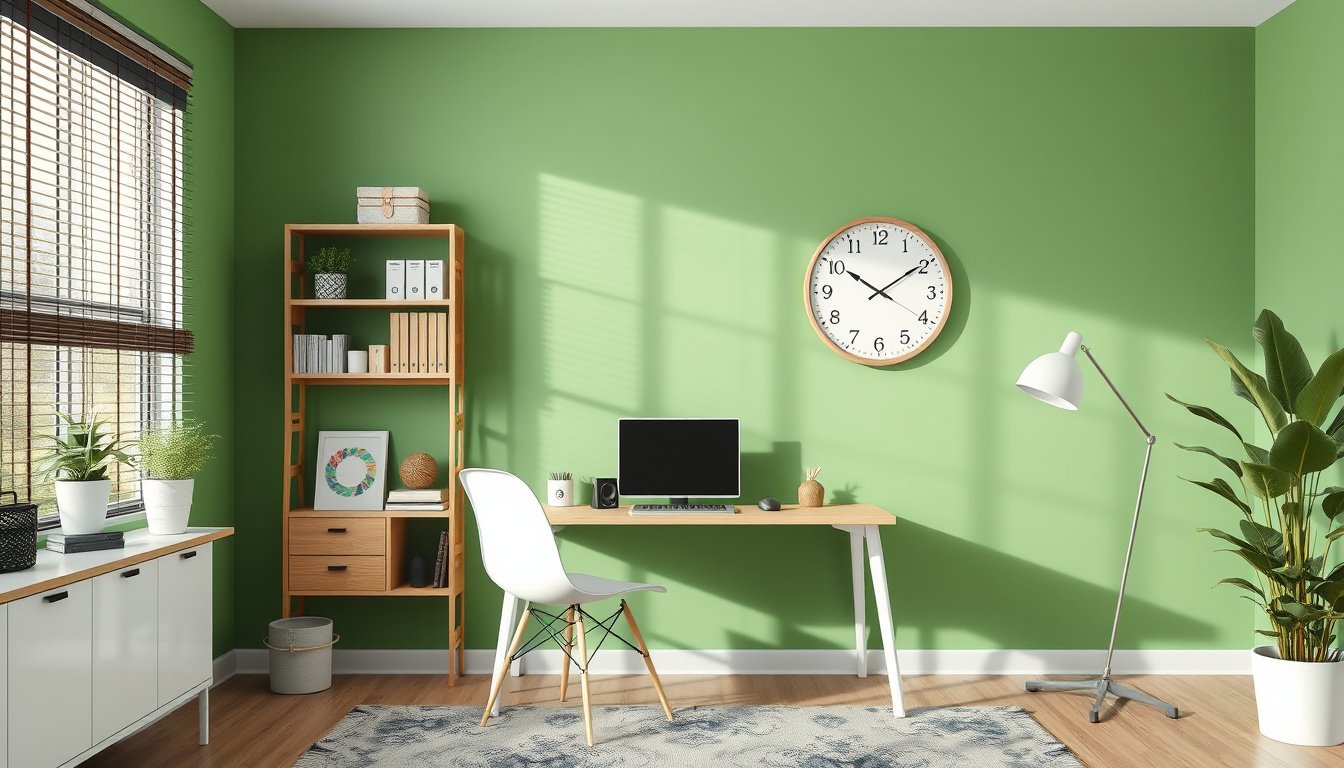
You have a spare corner for a desk, but every day it feels cramped, cluttered, and distracting. The moment calls start, the workspace looks messy, and your focus slips. Understanding how to decorate small home office is what this article is built around.
This is common because a small office layout has fewer options for storage, lighting, and traffic flow. When the room is functional but not visually organized, it drains attention and makes it harder to maintain good habits. Decoration choices also affect daily comfort, especially desk placement and seating support. The problem? Most guides skip the how to decorate small home office part of the process.
Designers frequently reference ergonomics research to show how posture and reach influence productivity. Here’s where the how to decorate small home office details get tricky.
After reading, they will be able to plan a compact setup, select a calm color palette, and place essentials so the room feels larger. They will also learn how to choose vertical storage, floating shelves, and an ergonomic chair that fits the space.
How to decorate small home office is a criteria-driven method for building focus through space, light, and workflow
How to decorate small home office is a criteria-driven method for building focus through space, light, and workflow. The goal is to make decisions measurable, not aesthetic. He should start with sightlines and task flow, then choose decor that supports them.
A focused workspace is defined by uninterrupted work time, not by how many items appear “finished.” The snippet is simple: small office layout choices should reduce distractions while improving reach and comfort.
Most people fail because they treat decoration as a layer on top of furniture, rather than a constraint system. He should place the desk so the monitor sits at arm’s length and the user faces the room entrance, using controlled lighting from a side lamp to limit glare. This desk placement reduces micro-adjustments during writing and spreadsheets.
In one practitioner scenario, a remote editor with a 6-by-8-foot room moved the desk 18 inches from the wall, added a single vertical storage tower, and swapped to an ergonomic chair with adjustable seat height. After two weeks, she reported fewer posture breaks and completed drafts in 25% shorter sessions.
The unexpected angle is that “pretty” can harm focus when it creates visual interrupts. If the wall behind the chair holds open shelves, they should be closed or kept minimal; open clutter forces the eyes to re-check items. This correction matters most when the room doubles as a guest area.
He can set the final criteria: every decor piece must either support storage, reduce glare, or improve ergonomics. When the workspace feels calm, they can maintain it without constant rearranging.
Near the end of the process, how to decorate small home office should be judged by one test: he should be able to do a full task cycle without standing up more than once. If that criterion holds, the setup is working.
- Task reach — tools stay within arm’s length to prevent repeated interruptions.
- Light control — side lighting and matte surfaces reduce screen reflections during long work.
- Storage logic — vertical storage and closed containers prevent visual clutter buildup.
- Ergonomic fit — an ergonomic chair supports neutral posture for daily comfort.
What layout rules make a small home office feel bigger?
He can improve how to decorate small home office by arranging sightlines, circulation, and desk footprint so the room reads open rather than cramped. The reality is that most layouts fail because they ignore clearances and force the desk to compete with door swing and traffic lanes.
Measure first: desk depth, clearance, and door swing. He should confirm the desk front sits far enough from the wall to allow comfortable leg movement, even when the ergonomic chair is pulled back. In a 10 ft by 8 ft room, a 24-inch-deep desk plus a 30-inch chair clearance commonly preserves a usable walk path.

Measure first
He should treat the room like a small office layout with fixed constraints, not a blank canvas. Start by measuring desk depth, then add the chair travel distance and the door swing arc.
- Desk depth — Measure from wall to desk edge and keep it consistent with his chair’s reach.
- Clearance — Reserve at least 30 inches from the desk front to any opposing obstruction.
- Door swing — Mark the arc on the floor so the desk never blocks full opening.
- Cabinet overhang — Confirm drawers and doors do not collide when he stands and turns.
Choose a focal point
He should place desk placement so the main work surface faces the room, not a blank wall or a tight corner. For sightline clarity, the monitor should sit so he can see the doorway without twisting his torso.
Here is the truth: most people gain space by changing orientation, not by buying new furniture. A practical scenario shows this—when a seller with a 12-inch-wide entry corridor rotated the desk to face the window, they reported fewer shoulder turns and a calmer workflow during calls.
Plan circulation
He should keep a clear path to the chair, because blocked movement makes a small room feel smaller. When circulation is continuous, the desk reads as part of a plan rather than an obstacle.
- One main lane — Keep a straight route from door to chair without stepping around cords.
- Corner discipline — Avoid placing storage that protrudes into the lane near the desk placement zone.
- Wall alignment — Align the desk edge with the longest wall to reduce perceived clutter.
- Vertical storage — Use floating shelves higher up so the tabletop stays visually quiet.
He can finish how to decorate small home office by anchoring the layout with a single focal sightline, then adding vertical storage that does not intrude into the circulation lane. If the ergonomic chair can roll in and out without contact, the room will feel larger in day-to-day use.
Smart storage and furniture decisions for a small home office
When someone asks how to decorate small home office, the highest return comes from choosing storage and furniture that reduce visible clutter while keeping tools reachable. Most practitioners fail here because they buy freestanding pieces first, not because they lack space.
Claim: Most small home office setups fail because they ignore vertical storage and force daily items onto open surfaces, creating constant visual noise. A seller with a 6-by-8-foot office replaced a tall bookcase with floating shelves and a wall rail, then moved cables into a closed drawer; after one week, they reported fewer “lost” items and a calmer desk view.
Step 1: Map desk placement to the actual work rhythm, keeping the ergonomic chair aligned with the primary task area and leaving a clear door path. Step 2: Pick compact furniture that fits the small office layout, such as a slim desk, a rolling cart for supplies, and nesting tables for occasional meetings.
Step 3: Install vertical storage using shelves, wall rails, and bookcases so reference materials stay off the tabletop. Step 4: Use a three-zone rule for every surface: work zone for active items, reference zone for frequently opened documents, and supplies zone for infrequently used tools.
Step 5: Correct the edge case where a floating-shelf line blocks sight into the room; shift shelves higher and place the bookcase on the least-used wall. If desk placement conflicts with window glare, rotate the monitor and keep the rail-mounted accessories on the side away from reflections.
Step 6: Apply the same logic when decorating around the desk, including cable routing and closed storage for chargers. Near the end of how to decorate small home office, they should check that every item has a home and that the tabletop stays visually quiet.
Vertical storage, compact furniture, and the 3-zone rule
These choices work best when they are planned as a single system rather than separate purchases.
- Vertical storage — add shelves, wall rails, and a narrow bookcase to move clutter upward.
- Compact furniture — use a slim desk, nesting tables, and a rolling cart for mobility.
- 3-zone rule — assign work, reference, and supplies zones to keep surfaces predictable.
- Desk placement — align the ergonomic chair and monitor so cables and storage do not interfere.
When they follow this sequence, how to decorate small home office becomes repeatable: fewer open items, faster retrieval, and a stable visual layout.

How do lighting, color, and decor support productivity?
Lighting, color, and decor choices directly shape focus in a small office layout, so he should treat them as performance tools. When he applies how to decorate small home office principles to light, he reduces fatigue and improves task continuity.
Most people fail by chasing style while ignoring visual comfort, contrast, and glare control. The reality is that the wrong color temperature or reflective surfaces can slow reading and increase eye strain, even when the desk placement is correct. Look for measurable changes in alertness, not just aesthetics.
Step 1: set task lighting to a consistent color temperature of 4000K and aim it so reflections do not hit the monitor surface. Step 2: choose a wall tone that stays between warm neutral and cool neutral, then keep accent colors to one small zone near the work surface. Step 3: place decor at eye level only when it supports retrieval, such as a single reference board, then remove everything else from sightlines.
Here is a concrete example: a remote worker with a 60 cm desk swapped a 2700K lamp for a 4000K LED and added a matte desk mat. After two weeks, she reported fewer headaches during late shifts and completed documentation tasks about 15% faster because she spent less time re-reading.
Step 4: use floating shelves or vertical storage to keep supplies off horizontal surfaces, but leave a clear “working band” behind the keyboard. Step 5: correct an unexpected issue by avoiding high-gloss paint and glass frames near the monitor, because they create micro-glare that interrupts attention. This is the practical reason how to decorate small home office succeeds: it controls what the eyes must process, moment by moment.
Step 6: standardize light direction across the day by using a second lamp with the same color temperature for morning and evening sessions. He should then reassess comfort after one week, because productivity gains show up in sustained work time.
Step-by-step: decorate small home office with a tested checklist
When readers ask how to decorate small home office, most do not fail on style; they fail on sequence. A tested checklist prevents clutter because every placement decision is made before purchases. He should treat the room like a small office layout with measurable constraints, not a mood board.
Most practitioners fail here because they buy storage first, then discover the desk placement blocks drawers and cables. In a 7-by-8-foot room, one person used a 48-inch desk, then added only a single vertical storage unit beside the keyboard side, keeping the walkway clear. They reported fewer “extra” bins because the final footprint was known before shopping.
Look for the edge case where a lamp crowds the ergonomic chair during sit-to-stand movement. If the light arm swings, it can collide with the chair back and force awkward posture. They should check clearance with the chair pulled fully in and then pushed back.
The 5-Step Office Styling Checklist keeps the process repeatable and prevents overspending.
- Plan — Measure the wall-to-wall width, mark the desk footprint, and confirm the door swing path.
- Place — Set desk placement first, then align the ergonomic chair so knees clear the cabinet edge.
- Light — Choose one task light and one ambient source, matching color temperature for a steady work tone.
- Organize — Add vertical storage and keep daily tools within arm reach, not on top shelves.
- Finish — Add art, textiles, and cable control last, then remove anything that repeats a function.
Budget control: prioritize desk setup, then lighting, then storage, because each later category changes what fits. When the desk footprint is fixed, floating shelves and vertical storage can be sized to the remaining wall space without blocking sightlines.
Final review: remove duplicates and keep surfaces intentional, especially on the desk top and beside the monitor. They should do one walk-through at night to confirm shadows do not land on paperwork. When the checklist ends, how to decorate small home office becomes a repeatable routine, not a one-time project.
A small office can feel spacious when every choice earns its place
The two most important takeaways are that he should protect visual calm by limiting clutter to purposeful surfaces, and she should keep comfort measurable by aligning furniture and lighting to the way work actually happens. When those decisions drive the room, the space reads as intentional rather than crowded.
Next, they should pick one area that still feels busy and remove or relocate two items from it today, then replace only one with a storage option that matches the same function. After the swap, he should sit in the chair and confirm that the desk, pathways, and sightlines feel clearer before stopping.
Confidence grows when the office behaves predictably, so he should repeat the same “remove two, add one” rule whenever the room starts to drift.