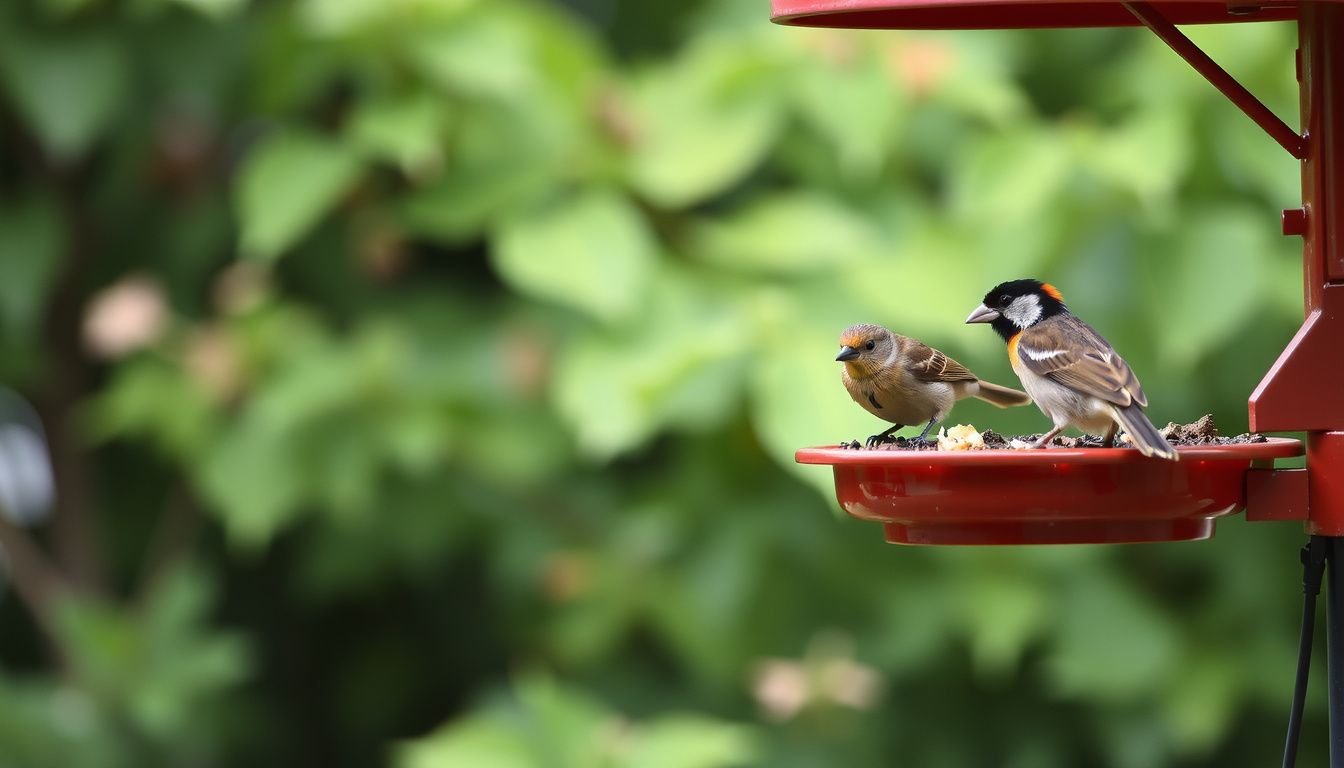
How to make bird feeders at home is a quick way to attract local birds, reduce waste, and learn what species actually visit a yard. A good feeder doesn’t need fancy carpentry. It needs safe materials, clean food, and smart placement.
Look for a design that fits the birds in the area and the time available for upkeep. Some feeders work best for finches and chickadees. Others are built for woodpeckers or nuthatches that prefer suet.
The process is straightforward: pick a feeder style, gather tools, clean components, build, fill, hang, and maintain. One practical example: a family can turn a rinsed 2-liter bottle into a feeder in 20 minutes, then track which birds show up over the next week and adjust seed type to match.
Identify the Best Feeder Style for the Yard and Bird Species
They should start by matching feeder style to common birds and local conditions. Tube and bottle feeders favor small perching birds. Platform feeders attract a wider mix but can invite mess and squirrels.
Suet feeders bring insect-eaters, especially in cold months.
Space matters. A small balcony needs compact, hangable feeders. An open yard can support multiple stations spaced apart to reduce crowding.
| Feeder type | Best for | Key watch-out |
|---|---|---|
| Bottle/Tube | Finches, chickadees | Clogging if seed gets wet |
| Pinecone suet | Woodpeckers, nuthatches | Melting in heat |
| Platform | Sparrows, cardinals | Higher disease risk if not cleaned |
Pro tip: They should avoid bread and salty scraps; those don’t meet birds’ nutritional needs.
Common mistake: Choosing a feeder that’s hard to clean, then skipping maintenance.
Gather Materials and Tools Before You Start
They’ll move faster by staging supplies first. Recycled feeders work well, but only if materials are sturdy and non-toxic. Smooth edges and strong hanging points are non-negotiable.
- For a bottle feeder: clean plastic bottle (1–2L), 2 wooden spoons/dowels, string or wire, scissors/utility knife, marker
- For a pinecone feeder: pinecone, suet or nut butter, bird-safe seed, twine
- Optional: small funnel, sandpaper, hole punch, drill
Pro tip: They should use natural jute twine or coated wire that won’t fray quickly in rain.
Common mistake: Using painted, treated, or splintery wood where birds will perch.
Prepare and Clean Components to Keep Birds Safe
Cleanliness is a safety feature, not a nice-to-have. They should wash bottles, spoons, and hangers with hot soapy water, then rinse and fully dry. If a feeder ever grows mold, it should be cleaned again before refilling.
- Remove labels and sticky residue so water can’t pool underneath.
- Sand sharp plastic edges where birds land or feed.
- Check twine and knots for slip or fray.
Pro tip: A quick disinfect can be done with a mild bleach solution (1 part bleach to 9 parts water), then a thorough rinse and air-dry.
Common mistake: Filling a damp feeder. Moisture turns seed rancid and can spread disease.
Build a Simple Recycled Bottle Feeder Step by Step
This design uses wooden spoons as perches and seed ports. It’s cheap, fast, and easy to refill. They should work over a sink or newspaper to catch plastic bits.
- Mark two pairs of holes opposite each other, staggered vertically by 2–3 inches.
- Cut small holes for spoon handles, then slide each spoon through so the bowl sits outside.
- Cut a small seed opening just above each spoon bowl. Keep it tight to reduce spills.
- Poke two holes near the bottle neck, thread twine, and tie a secure loop.
- Fill with seed using a funnel, cap it, and shake lightly to confirm flow.
Pro tip: They can add two tiny drain holes in the bottom to prevent water buildup.
Common mistake: Making seed ports too large, which dumps seed and attracts rodents.
Build a Pinecone Suet Feeder Step by Step
A pinecone suet feeder is a simple cold-weather option. It’s also a good “first feeder” for kids because it needs no cutting tools. They should only hang it when temperatures allow the fat to stay stable.
- Tie twine tightly around the pinecone top, leaving 8–12 inches to hang.
- Press suet (or unsalted nut butter) into the pinecone gaps with a spoon.
- Roll the coated pinecone in seed until it sticks.
- Chill it for 20–30 minutes so it firms up before hanging.
Pro tip: In warm climates, they should use a commercial “no-melt” suet instead of plain fat.
Common mistake: Using sweetened peanut butter blends or salted spreads.
Choose the Right Seed and Fill Feeders Without Spills
Seed choice drives which birds show up. They should buy fresh seed, store it in a sealed container, and only fill what birds will finish in a few days. Less waste means fewer pests.
- Black-oil sunflower: broad appeal, high energy
- Nyjer: finches (use in small-port feeders)
- White millet: ground-feeders; best on platforms
- Suet cakes: woodpeckers and winter visitors
Pro tip: They should use a scoop and funnel to reduce spills and keep hands clean.
Common mistake: Cheap mixes heavy in filler seed that birds toss out, creating a mess below.
Hang Feeders Correctly to Prevent Squirrels and Window Strikes
Placement protects both birds and the feeder. They should hang feeders where birds have quick cover nearby, but not so close that cats can ambush. Distance from windows matters to reduce collisions.
- Place feeders within 3 feet of a window or more than 30 feet away to reduce strike risk.
- Use a baffle on poles, or hang from a line at least 10 feet from launch points.
- Keep feeders 5–6 feet high, with clear space below for cleaning.
Pro tip: They can add window decals or external screens if birds frequently hit glass.
Common mistake: Hanging directly over a deck rail where droppings and hulls become a daily cleanup problem.
Maintain, Clean, and Troubleshoot to Keep Feeders Working
They should set a routine: quick check every refill, deeper clean weekly in wet weather, and at least every two weeks in dry conditions. If birds stop visiting, the issue is often stale seed, a clogged port, or predator pressure.
- Clogged ports: clear with a dry brush; replace wet seed.
- Moldy seed: discard immediately and disinfect the feeder.
- Ants: use an ant moat on hanging feeders.
Pro tip: They should rotate two feeders so one can dry completely while the other is in use.
Common mistake: Letting hulls and droppings pile up under feeders; that attracts pests and can spread illness.
Troubleshooting
- Birds won’t come: move feeder closer to cover, offer black-oil sunflower, and wait 7–14 days for discovery.
- Squirrels take over: add a baffle and switch to safflower (less preferred by many squirrels).
- Seed gets wet: improve shelter, add drain holes, and fill smaller amounts more often.
People Also Ask
What’s the safest homemade bird feeder material?
They should use food-grade plastic, untreated wood, stainless hardware, and natural twine. Painted or treated lumber, rusty metal, and containers that held chemicals should be avoided because toxins can transfer to birds.
How often should they clean a bird feeder?
Most feeders need cleaning every 1–2 weeks, and more often during rain or heavy use. If they see clumping, slime, or mold, they should clean immediately and replace all seed.
Where should they not hang a bird feeder?
They shouldn’t hang feeders right next to reflective glass, within a cat’s ambush zone, or over high-traffic patios. They should also avoid spots where water drips onto seed from gutters or sprinklers.
Start Here
They should pick one feeder style and build it in under an hour. A recycled bottle feeder covers most seed-eaters, while a pinecone suet feeder targets woodpeckers and winter birds. Next, they should buy one high-quality seed (black-oil sunflower is a strong default), hang the feeder with window-strike rules in mind, and commit to a simple cleaning schedule.
For the first week, they should observe and adjust: move the feeder if it’s too exposed, reduce fill volume if seed stays damp, and add a second station only after the first runs smoothly. Consistency brings birds back.