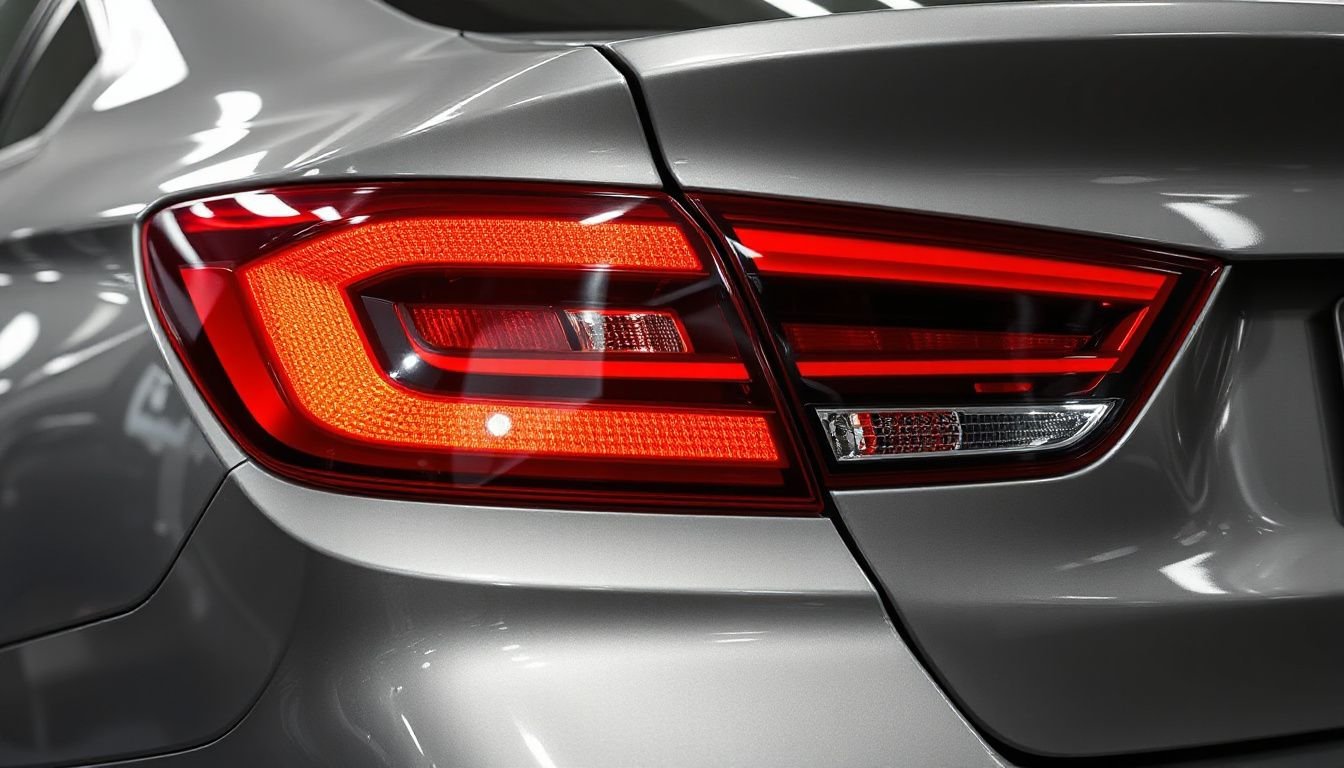
How to replace a tail light cover is a straightforward job when the correct part is on hand and the housing is handled carefully. A cracked or missing cover can let water into the assembly, corrode bulb sockets, and reduce visibility. Most vehicles allow access through the trunk or an interior rear panel, so the work typically stays outside the bumper and body structure.
They should plan for 30–60 minutes, depending on how tight the fasteners are and whether trim panels need removal. The key is working methodically: confirm fitment, disconnect power, remove the assembly, swap the cover or lens, then reseal and test. Rushing here usually leads to broken clips, stripped studs, or leaks after the first rain.
Confirm the Correct Tail Light Cover and Fitment
They should start by identifying whether the vehicle uses a replaceable cover/lens or a sealed tail light assembly. Many modern units are sealed; in those cases, replacing the entire assembly is the correct repair. The safest check is the OEM parts diagram or a reputable parts catalog using the VIN.
Before ordering, they should match key details on the existing light: side (left/right), body style, bulb type, and whether it includes an integrated reflector or reverse light lens. Look at the mounting points too; mismatched studs are a common return reason.
- Verify year/make/model/trim (or VIN) in the catalog.
- Confirm lens color and markings (DOT/SAE) match local requirements.
- Check if a gasket/seal is included or must be purchased separately.
Common mistake: buying a “universal” cover that doesn’t match the housing profile, causing gaps and leaks.
Gather Tools, Materials, and Safety Gear Before Starting
They should stage tools first, because a half-removed tail light is awkward to leave hanging while searching for a socket. Most jobs use basic hand tools, but trim clips and brittle plastics benefit from the right pry tools.
- Socket set (often 8–10 mm) and ratchet, plus a short extension
- Phillips/flat screwdriver and plastic trim tools
- Microfiber towels, isopropyl alcohol, mild cleaner
- Replacement gasket or automotive butyl sealant (if required)
- Nitrile gloves and safety glasses
Pro tip: keep a magnetic tray or small cup for nuts and clips; losing one inside the trunk cavity is common.
Common mistake: using a metal screwdriver to pry painted edges, which chips paint and invites rust.
Access the Tail Light Housing From the Trunk or Rear Panel
They should park on level ground, set the parking brake, and open the trunk or rear hatch. If the vehicle has an interior access door, pop it open first. Otherwise, remove the trunk liner or side trim panel covering the back of the tail light.
Most trims are held by plastic push pins or clips. They should pull straight out with a trim tool and avoid twisting, since older clips can snap. If there’s carpeting, fold it back and secure it so it doesn’t drag across adhesive or sealant later.
- Remove access covers and any cargo hooks blocking the panel
- Release push pins by lifting the center first, then the body
- Locate the wiring connector and mounting studs for the light
Pro tip: take a quick photo of clip locations before removal; it speeds reassembly.
Remove Fasteners and Detach the Tail Light Assembly
They should disconnect the negative battery terminal if the wiring is exposed or if the connector is difficult to reach. Then unplug the tail light connector by pressing the lock tab and pulling straight back. If the tab is stubborn, a small pick helps, but they shouldn’t force it.
Next, remove the mounting nuts from the studs. They should use steady pressure and the correct socket size to avoid rounding. Once fasteners are off, the assembly may still be held by alignment pins or a foam gasket “sticking” to the body.
- Support the light with one hand from the outside.
- Remove nuts evenly and set them aside.
- Wiggle the assembly straight rearward; don’t pry against paint.
Common mistake: yanking sideways and snapping the locator pins, which causes permanent misalignment.
Separate the Old Tail Light Cover and Clean the Mounting Surface
With the assembly on a towel, they should confirm how the cover is retained. Some covers are screwed on; others are bonded with butyl or plastic-welded. If it’s bonded and not designed to separate, replacing the full assembly is usually the correct move.
If the cover is serviceable, remove screws or release retaining tabs carefully. Then clean the mating surfaces: old adhesive, dirt, and moisture trails must go. A clean surface is what keeps water out.
- Remove old gasket material without gouging the plastic
- Wipe with isopropyl alcohol and let it fully dry
- Inspect for cracks around screw bosses and stud areas
Pro tip: if water was present, check bulb sockets for corrosion and replace pitted bulbs before sealing everything back up.
Install the New Tail Light Cover and Reseat Seals Properly
They should dry-fit the new cover first to confirm edges sit flush and tabs align. If a new gasket is provided, install it exactly as oriented, with no twists. If butyl sealant is required, apply a continuous bead; gaps become leaks.
Now press the cover into place evenly, working around the perimeter. Install screws or clips in a cross pattern so the cover seats uniformly. Over-tightening can crack the lens or distort the gasket.
- Dry-fit cover and confirm flush contact all around
- Install gasket or sealant in one uninterrupted path
- Fasten gradually, alternating sides to prevent warping
Practical example: on a 2014 Honda Civic, the lens is typically part of the full assembly; owners who try to separate the “cover” often crack the housing. The correct fix is replacing the entire tail light unit and reusing or replacing the foam gasket.
Reassemble, Torque Fasteners Evenly, and Restore Power
They should guide the assembly back into the body opening, aligning locator pins first. The light should sit flush without forcing. If it rocks or leaves a gap, something is misaligned or the gasket is pinched.
Thread mounting nuts by hand to avoid cross-threading, then snug them evenly. If a torque spec is available, follow it; if not, they should tighten only until the gasket compresses and the light is secure. Reconnect the wiring harness until it clicks, then restore battery power if it was disconnected.
- Align pins, then seat the assembly straight in
- Hand-thread nuts, tighten in small increments
- Reconnect harness and reattach interior trim/liners
Common mistake: cranking down one nut fully first, which twists the housing and creates a leak path.
Test Lights, Check for Water Leaks, and Verify Alignment
They should test every function before closing up: tail/running lights, brake lights, turn signals, reverse lights, and hazard flashers. If a bulb doesn’t light, the connector may not be fully seated or a bulb may have been disturbed during handling.
Next, confirm alignment. The lens should be even with adjacent body panels and match the opposite side. For leak checking, a gentle hose rinse over the lens perimeter works; then they should inspect the trunk side for moisture.
If they see water trails, the gasket may be twisted or the sealant bead may have a gap.
- Verify all light modes with a helper or reflective surface
- Inspect panel gaps and lens flushness from multiple angles
- Rinse and check inside for moisture after 5–10 minutes
Next Steps
After the repair, they should recheck the area over the next few days, especially after rain or a car wash. A faint fogging inside the lens can indicate a seal issue; persistent condensation means it should be resealed or the gasket replaced. If the vehicle uses a sealed assembly and the cover was not meant to separate, replacing the full unit is the durable solution.
They should keep the part number and receipt for future reference, then dispose of broken plastic responsibly. If any mounting studs spin, body clips are missing, or wiring insulation is damaged, it’s smart to address those issues immediately before they become electrical faults or recurring leaks.