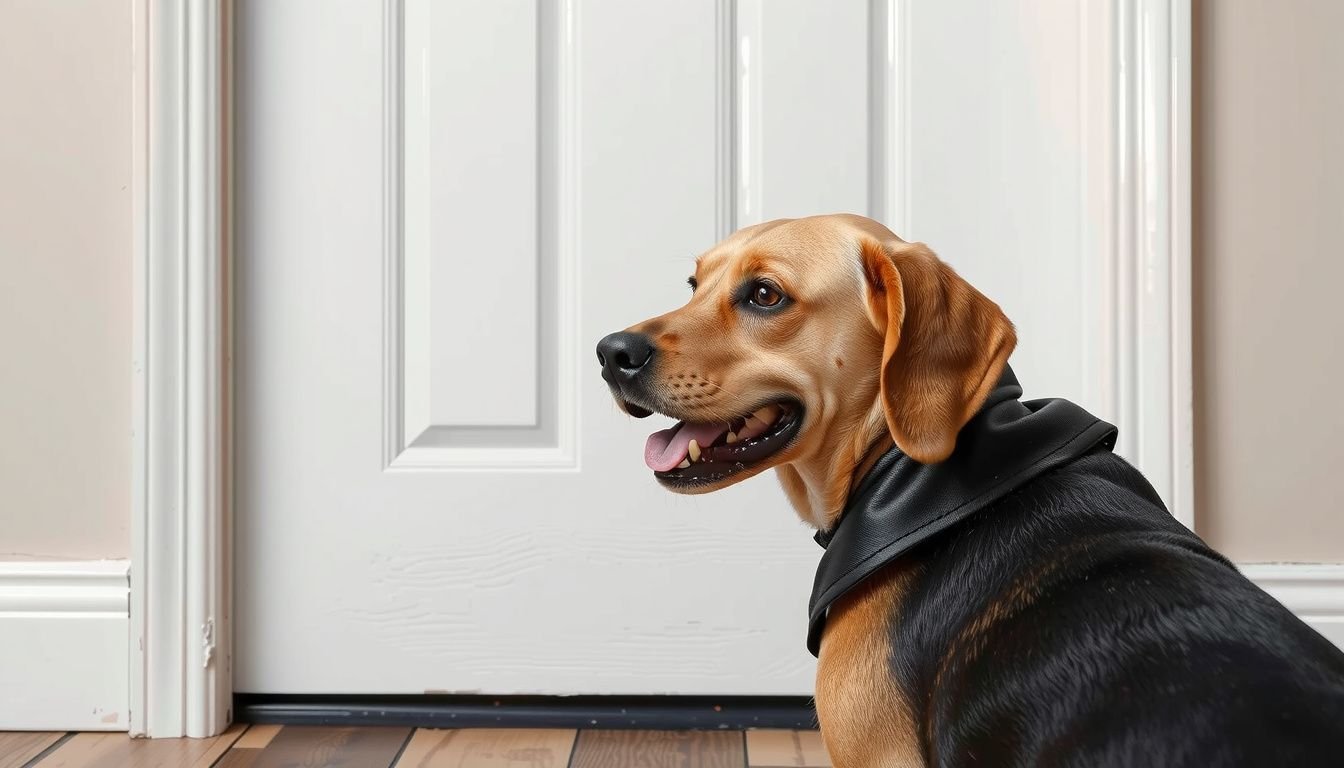
How to protect a door from dog scratches starts with treating the door like a high-wear surface, not a one-time repair. Dogs scratch for access, attention, anxiety relief, or simple habit, and the door takes the hit—especially soft pine, painted MDF, and hollow-core slabs. The right protection prevents gouges, reduces noise, and keeps paint from peeling.
They’ll get the best results by combining two things: a physical barrier that takes the damage and a behavior plan that removes the reason for scratching. Look, one without the other usually fails. A guard stops new marks, but the dog may shift to the frame or nearby trim.
A training plan helps, but it takes time.
The steps below walk through assessing the scratch pattern, choosing a guard, installing it cleanly, then reinforcing the fix so it lasts.
Assess the Scratch Pattern and Choose the Right Door Protection
They should start by mapping where the scratches land. Height matters. Low scratches (0–18 inches) usually come from pawing; mid-level damage often indicates jumping; edge and latch-side scratches can signal “trying to pry” the door open.
Next, match the protection to the door type and the dog’s intensity. Thin films work for light scuffs, while rigid guards are better for repeated clawing. If the dog targets the bottom corner, a full-width kick plate may outperform a narrow strip.
|
Protection Type |
Best For |
Notes |
|---|---|---|
|
Clear adhesive film (PET/vinyl) |
Light scratching, rented homes |
Fast install; can lift on textured paint |
|
Acrylic/plexiglass guard |
Moderate to heavy scratching |
Rigid; mount with screws or heavy-duty tape |
|
Metal kick plate (stainless/aluminum) |
Bottom-of-door gouging |
Most durable; visible but clean-looking |
Pro tip: If scratches reach the frame, plan protection for the jamb or install a wider barrier that overlaps the edge.
Common mistake: Buying a guard based only on looks, then discovering it doesn’t cover the actual impact zone.
Before You Start: Gather Materials and Prep the Door Surface
They’ll need a few basic tools, plus the right adhesive or fasteners for the chosen guard. Prep matters more than most people think. Dirty paint, waxy cleaners, and damp wood cause tape to fail and edges to peel.
-
Cleaning: mild soap and water, then 70% isopropyl alcohol for final wipe
-
Measuring: tape measure, pencil, level
-
Cutting: utility knife (film) or fine-tooth saw (acrylic), sandpaper for edges
-
Mounting: heavy-duty double-sided tape, screws with finish washers, or a kick-plate kit
If the door has deep gouges, they should patch first so the guard sits flat. Wood filler, a quick sand, and touch-up paint is usually enough. Let paint cure fully; “dry to touch” isn’t the same as “ready for adhesive.”
Pro tip: Warm the room and the guard (around 65–75°F). Adhesives bond better and stay flatter.
Common mistake: Installing over loose paint. The tape sticks to the paint, then the paint releases from the door.
Install Scratch Guards and Protective Barriers (Step-by-Step)
They should install the protection at the dog’s strike zone, not centered “for symmetry.” Most homes do well with coverage from the floor up to 24–36 inches on the latch side.
-
Mark placement: measure height and width, then lightly pencil the outline. Use a level for straight edges.
-
Test fit: hold the guard in place, open/close the door, and confirm it won’t hit trim or rugs.
-
Mount: for film, peel backing slowly and squeegee from center outward. For acrylic/metal, apply tape or pre-drill, then fasten evenly.
-
Seal edges: press edges firmly for 30–60 seconds. If using tape, focus pressure on corners.
Practical example: A tenant with a 60 lb rescue dog saw scratches concentrated on the bottom latch-side corner. They installed a 6-inch-tall stainless kick plate plus a narrow acrylic strip up to 30 inches. The dog’s claws hit the metal and acrylic instead of the paint, and the door stayed intact through winter when separation anxiety spiked.
Pro tip: If the dog claws hard, screws with finish washers beat tape long-term. Tape can still be used as a vibration damper behind the guard.
Common mistake: Skipping edge clearance near the latch. A guard that interferes with the strike plate creates new problems.
Reinforce the Fix: Reduce Scratching Triggers and Maintain Protection
Protection works best when the scratching trigger is addressed. Dogs scratch to get to people, to escape confinement, or to release stress. If the reason stays, they’ll keep trying—sometimes on a new surface.
-
Change the routine: increase exercise before alone time; add a predictable departure cue.
-
Use enrichment: stuffed food toys, snuffle mats, or safe chews placed away from the door.
-
Train an alternative: reward “go to mat” or “sit” when they approach the door.
-
Manage access: add a baby gate, exercise pen, or crate training plan if appropriate.
They should also inspect the guard weekly for lifted corners, grit trapped underneath, and loose screws. Clean with mild soap; harsh solvents can cloud acrylic and weaken tape. If the dog targets the frame, a narrow jamb guard or a wider panel that overlaps the edge usually solves it.
Pro tip: Trim nails regularly. Shorter nails reduce both damage and the “click” that can reinforce the scratching habit.
Common mistake: Using bitter sprays as the only solution. Many dogs ignore them, and some sprays stain paint.
Your Action Plan
They should start by identifying where the dog strikes the door, then choose a barrier that matches the intensity: film for light scuffs, acrylic for repeated pawing, metal for heavy gouging. Next, they’ll clean and dry the surface, patch any deep damage, and install the guard at the real impact zone—usually the latch side from floor to 24–36 inches.
After installation, they should reinforce the fix with a trigger plan: more exercise, enrichment away from the door, and training an alternative behavior. Weekly checks keep the guard tight and edges flat. If scratching shifts to the frame, they’ll extend coverage to the jamb or add a secondary barrier like a gate.
Done right, the door stays protected and the dog’s need to scratch fades over time.
Related read: How to Protect Door From Dog Scratching Step-by-Step