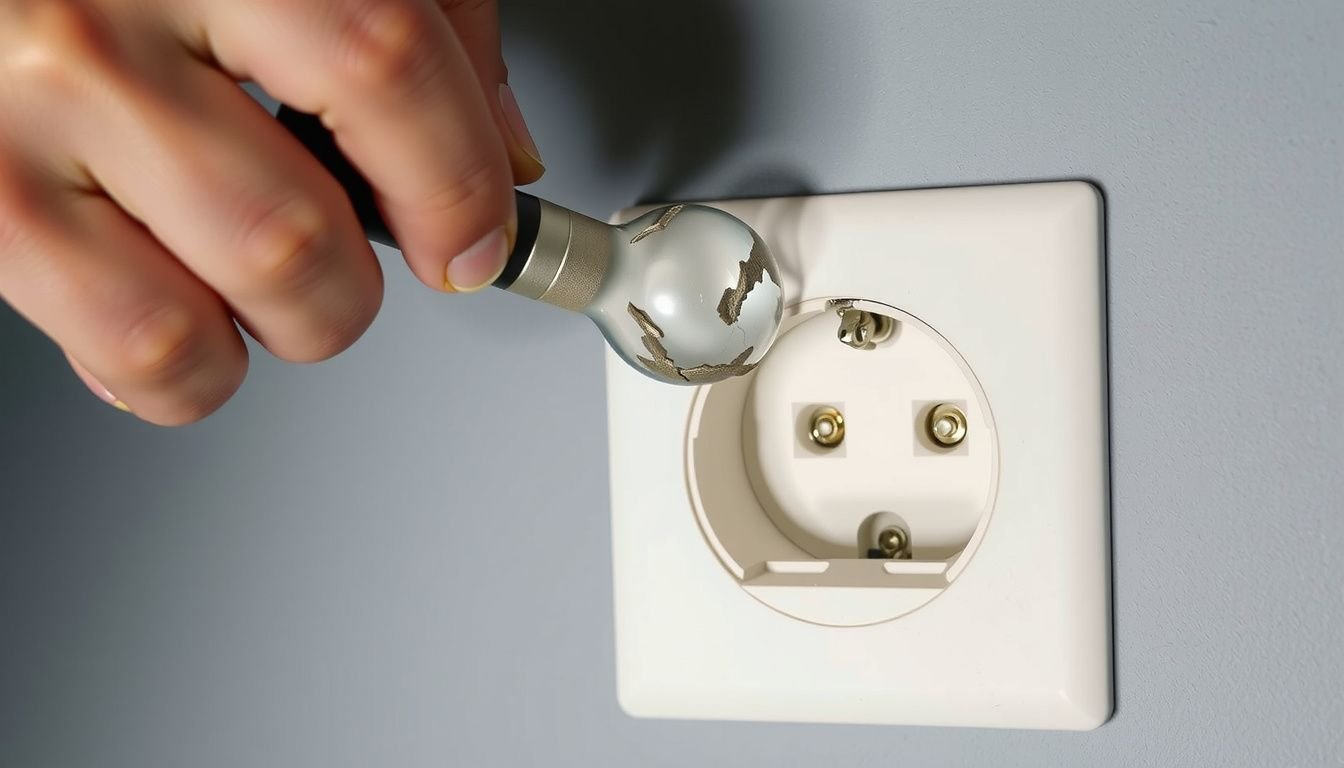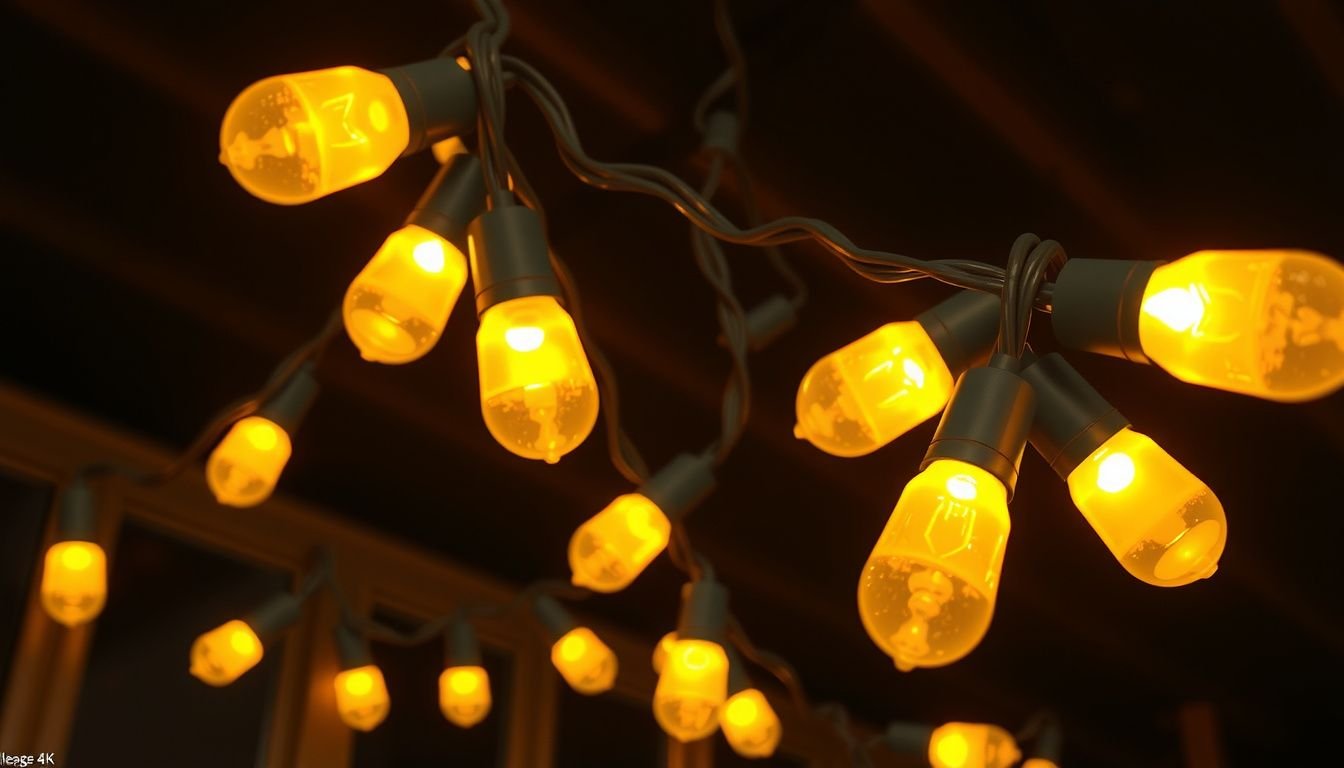
How to find the bad bulb on christmas lights usually comes down to one thing: a single failed bulb (or its socket) breaking the circuit on traditional mini light strings. The frustrating part is that the strand often looks fine until it’s plugged in and stays dark. Look—this is fixable without tossing the whole set.
They’ll get faster results by working in a logical order: confirm the light type, rule out power and fuse issues, then locate the failure with a tester or a simple swap method. Most fixes take 10–20 minutes once the right bulb is found.
This guide walks through safe checks, quick testing methods, and small repairs (like cleaning contacts or resetting shunts) so the strand lights reliably again.
Confirm the Problem and Identify the Light Set Type
They should start by confirming the symptoms: the whole strand is out, one section is out, or lights flicker when the wire is moved. Those clues point to different failures. A full outage often means a bad bulb, blown fuse, or no power.
A partial outage can indicate a series “section” failure on multi-section strings.
Next, identify the set type. Most troubleshooting steps assume incandescent mini lights wired in series. LEDs can behave differently and may use a control box.
- Incandescent mini lights: common, warm glow, usually two fuses in the plug.
- LED strings: cooler to the touch, may have a rectifier/control module.
- Net/cluster lights: more complex wiring; tester method is still useful.
Common mistake: treating an LED controller failure like a single-bulb issue and wasting time swapping bulbs.
Gather Tools and Follow Safety Steps Before Starting
They’ll work faster with the right tools on hand. Unplug the lights before touching bulbs, sockets, or fuses. If the strand was outdoors, let it dry fully and wipe the plug area clean.
- Replacement bulbs that match voltage and base type
- Bulb puller (or needle-nose pliers used gently)
- Non-contact voltage tester or outlet tester
- Christmas light bulb tester (with shunt tester, if available)
- Small flat screwdriver for fuse door
Pro tip: They should take a quick photo of the bulb label or packaging before buying replacements; “looks the same” isn’t the same electrically.
Common mistake: forcing a bulb into a socket and bending the contacts, creating a new failure.
Inspect the Strand for Obvious Damage and Loose Bulbs
They should do a fast visual scan before testing. Start at the plug and run fingers along the wire, checking for cuts, crushed insulation, scorch marks, or stretched sections near tight bends. Any melted spot means the set should be replaced for safety.
Then check every bulb for seating. A slightly unseated bulb can open the circuit on series strings. Press each bulb gently into its socket; don’t twist unless the design requires it.
- Look for darkened bulbs (burnt filament) on incandescent sets
- Check for cracked lenses or missing bulbs
- Inspect sockets for green/white corrosion
Pro tip: They should straighten tangles first; tension can pull bulbs loose while the strand is handled.
Test the Outlet, Plug, and Fuses to Rule Out Power Issues
Before chasing bulbs, they should confirm the power source. Test the outlet with an outlet tester or plug in a known working lamp. If using an outdoor receptacle, verify the GFCI isn’t tripped and reset it.
Next, inspect the plug. Many mini-light sets have two small fuses behind a sliding door. Unplug the strand, open the fuse compartment, and remove both fuses for inspection.
| Check | What to Do | What It Means |
|---|---|---|
| Outlet/GFCI | Test and reset | No power = not a bulb problem |
| Plug fuses | Replace if broken/dark | Blown fuse can kill the whole strand |
| Plug blades | Check for corrosion/bend | Poor contact causes flicker/outage |
Common mistake: replacing only one fuse; matched fuses should be replaced as a pair when in doubt.
Use a Bulb Tester to Locate the Bad Bulb Quickly
A dedicated Christmas light tester is the fastest way to pinpoint the failure on incandescent mini lights. They should plug the strand in, then use the tester’s probe or contact method along the string (depending on model). The goal is to find where voltage stops.
With a shunt-capable tester, they can also test individual bulbs. Remove a suspect bulb, place it in the tester socket, and check for filament/shunt issues. Replace bulbs that fail the test.
- Start testing near the plug and move outward
- Mark the first dead point with tape
- Inspect the bulb at that point and the one just before it
Pro tip: They should dim the room lights; tester indicators are easier to read and they’ll spot weak flickers.
Manually Swap Bulbs to Isolate the Failure Without a Tester
If they don’t have a tester, swapping bulbs works. Unplug the strand. Pick one known-good bulb from a working section (or from a spare pack) and swap it into the first unlit bulb position closest to the plug.
Plug in and check.
They should work in order, moving one socket at a time, because series strings fail “downstream.” When the strand lights, the last swapped bulb (or the socket it went into) is the likely culprit.
- Unplug, swap one bulb, plug in and test
- Repeat in sequence until the strand lights
- Put the borrowed bulb back and install a proper replacement
Practical example: If a 100-count mini incandescent strand is fully dark, they can start at bulb #1 near the plug and swap every 5th bulb first (1, 6, 11…). Once it flickers on, they narrow down between the last two checkpoints.
Check and Repair Shunts, Sockets, and Corroded Contacts
When a bulb looks fine but the section stays out, the issue may be the shunt or the socket contacts. Incandescent mini bulbs often have a shunt designed to keep the circuit closed after a filament fails, but it doesn’t always engage.
They can try reseating the bulb firmly, then gently pulling it out and reinserting to scrape light corrosion off the contacts. For visible corrosion, unplug the strand and use a dry cotton swab or contact cleaner rated for electrical use (applied sparingly, fully dried before power).
- Shunt reset: use a tester with shunt function if available
- Socket tension: slightly bend contacts inward only if accessible and safe
- Corrosion: clean, dry, and replace badly pitted sockets
Common mistake: spraying cleaner into a live socket or re-energizing before it’s fully dry.
Replace the Bad Bulb, Retest the Strand, and Prevent Repeat Failures
Once the bad bulb (or socket) is found, they should replace it with an exact match: same voltage rating, same bulb type, and the same base. Mixing bulbs can shorten life or cause overheating. After replacement, plug the strand in and verify steady operation for a few minutes.
Prevention keeps the problem from returning mid-season. They should store lights loosely coiled, avoid crushing bulbs, and keep outdoor connections off the ground and protected from water.
- Replace any missing bulbs immediately (open sockets invite corrosion)
- Use a surge-protected outdoor-rated power strip when possible
- Don’t exceed the manufacturer’s maximum end-to-end connections
Pro tip: They should label each strand with location (tree, roofline) so repeated failures can be tracked and retired before they waste time next year.
You’re Ready
They can reliably find a failed bulb by working from the simple to the specific: confirm the light type, verify power and fuses, then locate the break with a tester or methodical bulb swaps. Most “dead” strands aren’t dead at all—they’re just open at one point.
Next, they should replace the suspect bulb with a matching spare, clean or tighten any questionable socket, and retest for steady light. If the wire is damaged, the safest move is replacement, not repair.
With a small spare bulb pack and a basic tester stored with the decorations, they’ll fix future outages in minutes instead of fighting the whole strand.