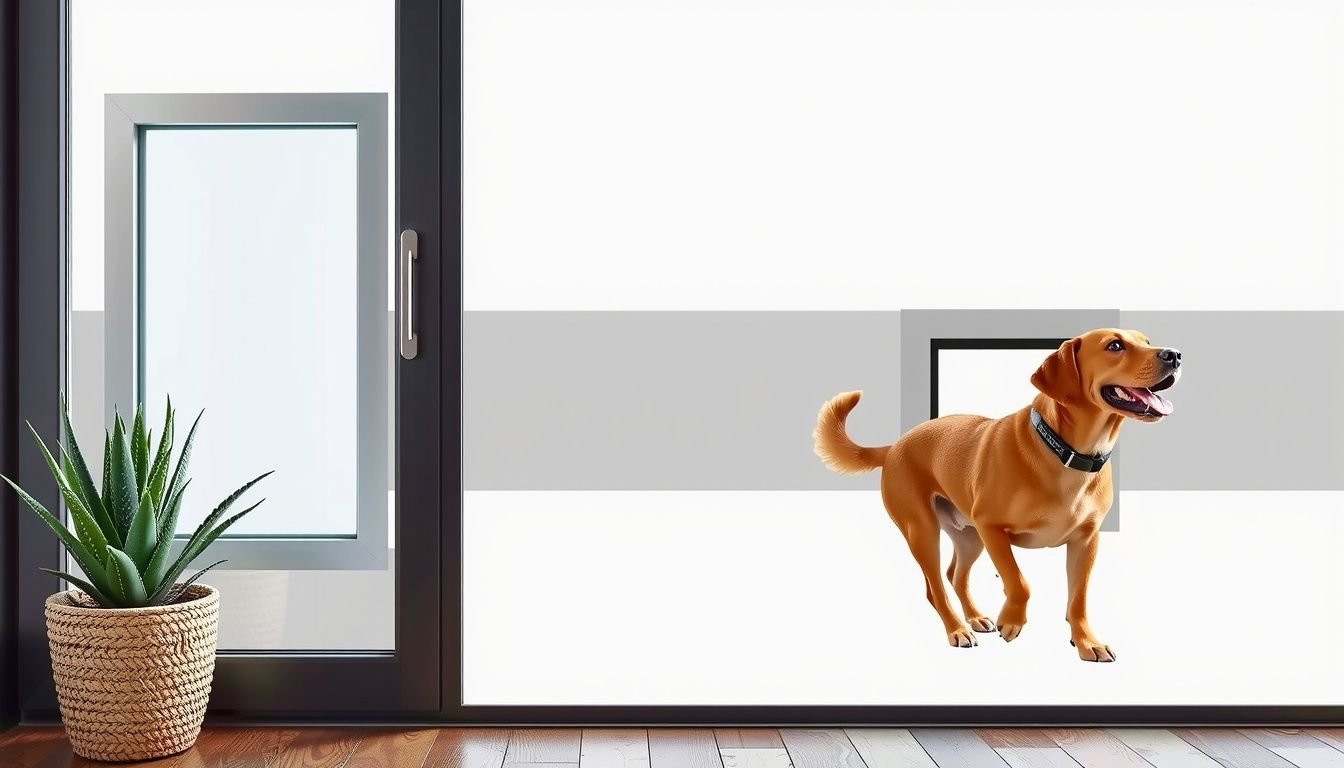
How to install a dog door in a glass door starts with one decision: whether the existing glass can be cut safely. Many glass doors are tempered or double-pane, and those usually can’t be modified without replacing the panel. That’s why most successful installs use a purpose-built glass insert or a new glass unit made to fit a pet door.
They should plan for a clean, weather-tight fit and a flap size that matches the dog’s height and width. The goal is simple: smooth operation, strong sealing, and no drafts or water leaks.
Look, the safest path is often ordering a custom insert sized to the door’s opening. It costs more than a basic kit, but it avoids cracked glass, reduces callbacks, and keeps the door looking professional.
Confirm the Glass Type and Choose the Right Dog Door Insert
They should identify the glass before buying anything. If the door is tempered, it can’t be drilled or cut after manufacturing; it will shatter. Most sliding glass doors and many full-lite patio doors use tempered glass by code.
They can check for an etching in a corner that says “Tempered” or “Safety Glass.” If it’s a double-pane (insulated) unit, cutting it destroys the seal and causes fogging. In both cases, the right move is a replacement glass panel with a factory-cut opening or a sliding-door pet insert panel.
- Sliding glass door: Use a vertical pet insert panel that sits in the track.
- Hinged patio door (full glass): Order a new glass lite with a pet-door cutout.
- French door with glass lite: Replace the lite only, if the frame allows it.
They should size the flap by measuring the dog from floor to top of shoulders, then adding 1–2 inches. Too small causes hesitation. Too large leaks air.
Gather Tools, Measure Precisely, and Prep the Work Area
They’ll get cleaner results by staging tools and protecting the floor first. Glass work is unforgiving, and rushing measurements is the fastest way to order the wrong insert size.
- Tape measure, straightedge, and painter’s tape
- Level, screwdriver set, drill/driver (if the kit requires fasteners)
- Exterior-grade silicone sealant and caulk gun
- Shims, weatherstripping (often included), and rubbing alcohol for cleaning
For a sliding insert, they should measure the inside track height from the deepest channel to the top channel. Then measure the track width and note any obstructions like handle placement or a raised threshold. They should confirm the insert’s adjustment range matches the measured height.
Common mistake: measuring the visible glass instead of the track channel. Another one is ignoring out-of-square frames; they should measure height at left, center, and right and use the smallest number.
Pro tip: they should clean the track thoroughly and remove grit. A small pebble can keep an insert from seating and create a leak path.
Install the Dog Door Insert or Frame and Secure a Weather-Tight Seal
They should follow the manufacturer’s sequence, but most installs fall into two patterns: a sliding-door insert panel or a replacement glass lite. For a sliding insert, they’ll place the panel into the bottom track, tilt it upright, and lift it into the top channel.
- Set the insert into the track and check plumb with a level.
- Adjust the expander (top or side) until it fits tight with no wobble.
- Add shims where the kit allows to remove play and reduce rattling.
- Apply weatherstripping along the mating edge where the slider closes against the insert.
They should seal only where the instructions call for it. Over-caulking can trap water in the track. For hinged-door replacement glass, they should stop and use a glazier unless they’re trained; removing glazing beads incorrectly can crack the frame or void the door warranty.
Pro tip: wipe bonding surfaces with alcohol before applying silicone. Oils and dust are why seals fail early.
Test Operation, Reinforce Security, and Troubleshoot Common Issues
They should test the flap, the main door movement, and the lock. The dog door flap must swing freely and close fully without sticking. The sliding door should glide and latch without forcing.
Security needs attention because insert panels can reduce the factory lock’s effectiveness. They should add a secondary lock, then block lift-out.
- Install a track lock or security bar to prevent sliding forced entry.
- Add anti-lift blocks (small screws or brackets) in the upper track.
- Use the insert’s included locking cover at night or during storms.
Practical example: A renter with a 96-inch sliding patio door installs an adjustable insert panel and finds the slider won’t latch. They add the included latch adapter, then place a cut-to-length dowel in the bottom track as a security bar. The door locks solid, and drafts drop after adding the supplied edge weatherstrip.
Troubleshooting: if air leaks, they should re-check plumb and add shims; if the flap won’t close, they should inspect magnets and remove packing film; if water enters, they should confirm the track weep holes aren’t sealed shut.
Next Steps
They should spend the first week observing how the dog uses the door and how the seal performs in real weather. Small adjustments early prevent long-term wear on the flap and frame. If the pet hesitates, they can hold the flap open, reward calmly, and reduce noise by tightening any loose hardware.
They should also schedule seasonal checks. Replace worn weatherstripping, clean the track, and reapply silicone only where needed. If the glass is tempered or insulated and they were considering cutting it, the next step is contacting a local glazier for a factory-cut replacement panel.
That route protects the door, keeps warranties intact, and delivers the cleanest finished look.
Related read: How to Install a Dog Door in a Metal Door Step-by-Step