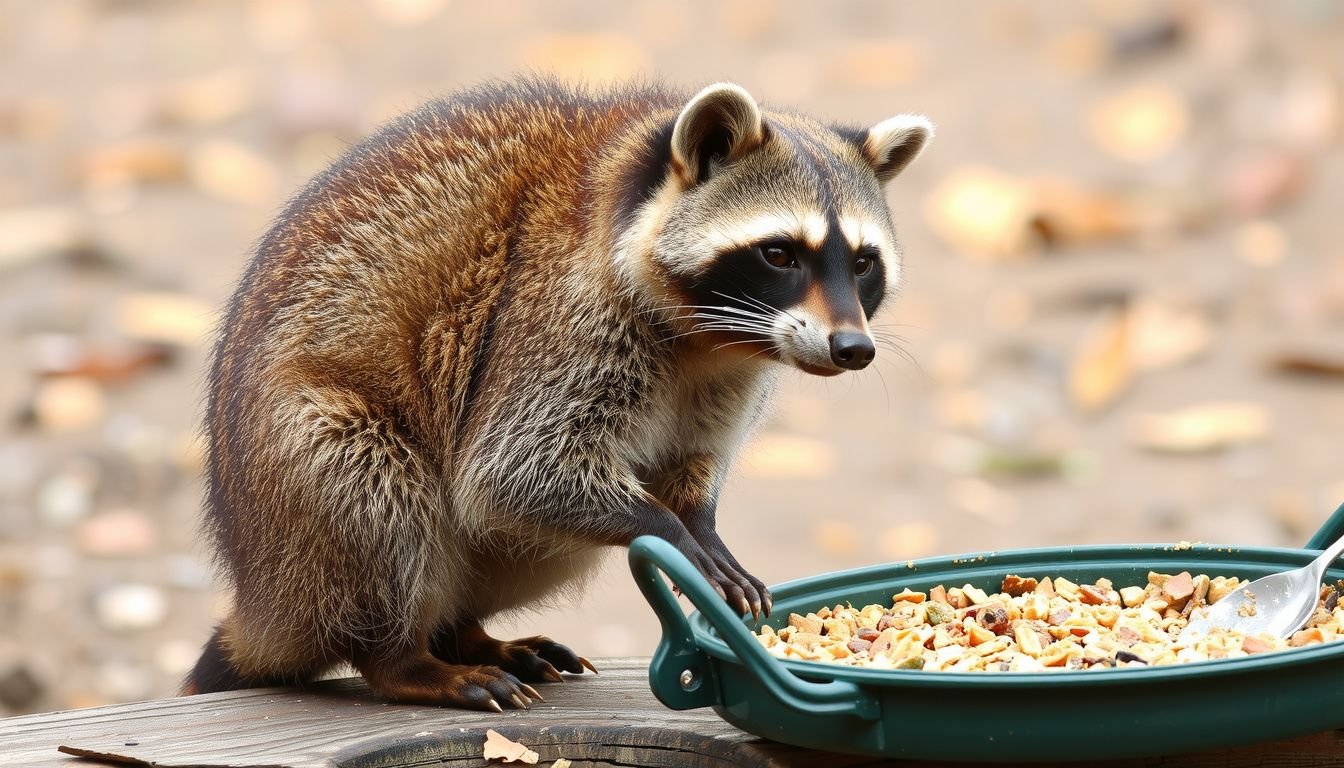
Anyone facing persistent wildlife issues has probably asked how to deter raccoons from bird feeders. Raccoons are clever, dexterous, and persistent, making them one of the most frustrating backyard intruders. They can easily scale poles, manipulate feeder mechanisms, and wreak havoc on bird feeding setups.
This guide outlines proven, practical steps to keep raccoons at bay—without harming wildlife or disrupting the birds you enjoy watching. Whether the problem is a nightly nuisance or a new occurrence, these strategies can help restore peace to the backyard. Learn the best approaches, common mistakes, and how to spot improvements quickly.
Look for a real-world example later on; it’ll tie these steps together and give you a template to follow.
Assess the Raccoon Problem Around Feeders
Before implementing any deterrents, it’s crucial to accurately diagnose the scale and pattern of raccoon activity. Raccoons usually leave muddy footprints, scattered seed shells, and sometimes upturned feeders. Inspect the ground for tracks and note any feeder damage.
Keep a journal for a week, recording the frequency and timing of each visit. Use a motion-activated camera if possible—it’ll confirm whether raccoons, squirrels, or other culprits are responsible. This information will pinpoint exactly where and when intervention is needed.
Pro tip: Don’t assume all nocturnal visitors are raccoons. Skunks, opossums, and feral cats can cause similar disturbances. Observation saves time and effort.
Choose the Right Bird Feeder Design
Raccoon-proof feeders exist, but not all designs are equal. Select feeders with sturdy metal construction, weight-activated mechanisms, and no exposed perches that raccoons can grasp. Avoid feeders with flimsy plastic parts or wide openings.
- Tube feeders: Prefer models with locking tops and metal feeding ports.
- Hopper feeders: Opt for heavy, roofed designs that close under excess weight.
- Suet cages: Use cages with small mesh and locking doors.
Combine feeder design with placement for best results. Weak feeders, even if well-located, won’t withstand raccoon tampering for long.
Install Baffles and Physical Barriers
Physical barriers remain one of the most effective ways to stop raccoons. Install a smooth, conical or cylindrical baffle on the feeder pole—at least 18 inches wide and mounted 4 feet above ground. Raccoons can’t grip or climb these surfaces.
- Wrap metal or sturdy plastic baffles securely; raccoons will test every connection.
- Overhead baffles prevent access from above, especially if feeders hang from trees.
- Consider enclosing the feeder in a wire cage with openings too small for raccoon paws.
Common mistake: Placing baffles too low or choosing baffles meant for squirrels. Raccoons are stronger and require more robust barriers.
Elevate and Position Bird Feeders Strategically
Height and placement play a decisive role. Feeders should stand at least 5-6 feet off the ground and 8-10 feet away from trees, fences, or structures that raccoons can climb and leap from.
Use a straight, slick pole—avoid wooden posts, which offer grip. If hanging from a branch, use a long wire and add a spinning baffle above the feeder. Raccoons are agile, but distance and lack of footholds will deter most attempts.
Real-world example: A backyard birder in Pennsylvania placed their feeder pole in the center of the lawn, added a metal baffle, and kept nearby shrubs trimmed. Raccoon visits dropped from nightly to zero within a week.
Remove Attractants from the Surrounding Area
Raccoons are opportunists. If they find food scraps, pet dishes, or accessible garbage nearby, they’ll linger and explore. Remove all secondary attractants:
- Secure trash cans with locking lids.
- Feed pets indoors or promptly remove outdoor dishes at night.
- Clean up fallen seed every day—use seed trays to minimize spillage.
Trim vegetation and clear brush to reduce hiding spots. The less comfortable raccoons feel, the less likely they’ll return.
Use Safe Deterrents and Repellents
Non-lethal deterrents can reinforce your physical barriers. Options include:
- Motion-activated sprinklers: Startle raccoons without harming them.
- Commercial raccoon repellents: Apply around feeder poles as directed (avoid seed contact).
- Homemade solutions: Sprinkle cayenne pepper or garlic powder on the ground beneath the feeder. Reapply after rain.
Important: Never use mothballs or toxic chemicals—these are dangerous for birds, pets, and people. Rotate deterrents for best effect; raccoons will adapt if exposed to the same method continuously.
Maintain a Consistent Cleaning Routine
Leftover seed, hulls, and debris attract pests. Clean the area beneath feeders daily and sanitize feeders weekly with a 10% bleach solution. Rinse thoroughly before refilling.
Use seed types that produce less waste (like shelled sunflower or safflower). Install seed catchers to further reduce mess. Consistency is key—raccoons are quick to exploit lapses in cleanliness.
Don’t forget to check for moldy seed or suet. Fresh food discourages both raccoons and disease.
Monitor Results and Adjust Strategies
Keep tracking raccoon activity with cameras or regular inspections. If one method loses effectiveness, rotate or combine strategies. Raccoons are highly adaptable and may eventually test even the best setups.
Document any changes in bird visitation as well. Balance deterrents so birds remain comfortable while raccoons are kept out.
Ask neighbors about their experiences—raccoons often roam across yards. Coordinated efforts can make deterrence more successful for everyone.
People Also Ask
How do I keep raccoons away from my bird feeders at night?
Remove feeders overnight, install baffles, and use motion-activated deterrents. Secure all nearby food sources. Consistent routines keep raccoons guessing and discourage repeat visits.
Do raccoon-proof bird feeders really work?
Quality raccoon-proof feeders with weight-activated mechanisms and strong construction are effective, especially when combined with proper placement and barriers.
What smells deter raccoons but don’t harm birds?
Cayenne pepper, garlic powder, and commercial non-toxic repellents can deter raccoons. Avoid direct contact with seed or birds’ feeding areas for safety.
Will raccoons ever stop coming back?
With persistent deterrence, most raccoons will move on. If food remains inaccessible and the environment is unattractive, they typically seek easier opportunities elsewhere.
What to Do Now
Start by observing raccoon behavior and documenting problem areas. Choose robust feeders and install baffles. Elevate and space feeders away from jumping points.
Remove temptations and keep the area spotless. Test safe deterrents if needed. Monitor progress, adjust as raccoon behavior changes, and collaborate with neighbors for lasting results.
With patience, anyone can protect their bird feeders and enjoy uninterrupted birdwatching.