Ever wondered, “how do you clean bird feeders” without harming birds or wasting time? Clean bird feeders are essential for healthy backyard birds and a vibrant wildlife experience. Experts agree that dirty feeders spread disease—sometimes wiping out entire flocks.
With the right know-how, anyone can keep feeders safe, attractive, and long-lasting. This guide breaks down exactly what to do, when to do it, and how to make cleaning bird feeders part of a simple routine. Ready to protect your feathered visitors and enjoy a thriving bird haven?
Let’s get started.
- Frequency: Clean every 2 weeks or more often in wet weather.
- Supplies Needed: Scrub brush, dish soap, bleach or vinegar, gloves.
- Risks of Dirty Feeders: Disease, mold, spoiled seed, bird deaths.
- Ideal Drying: Air dry completely before refilling.
Why Regular Bird Feeder Cleaning Matters
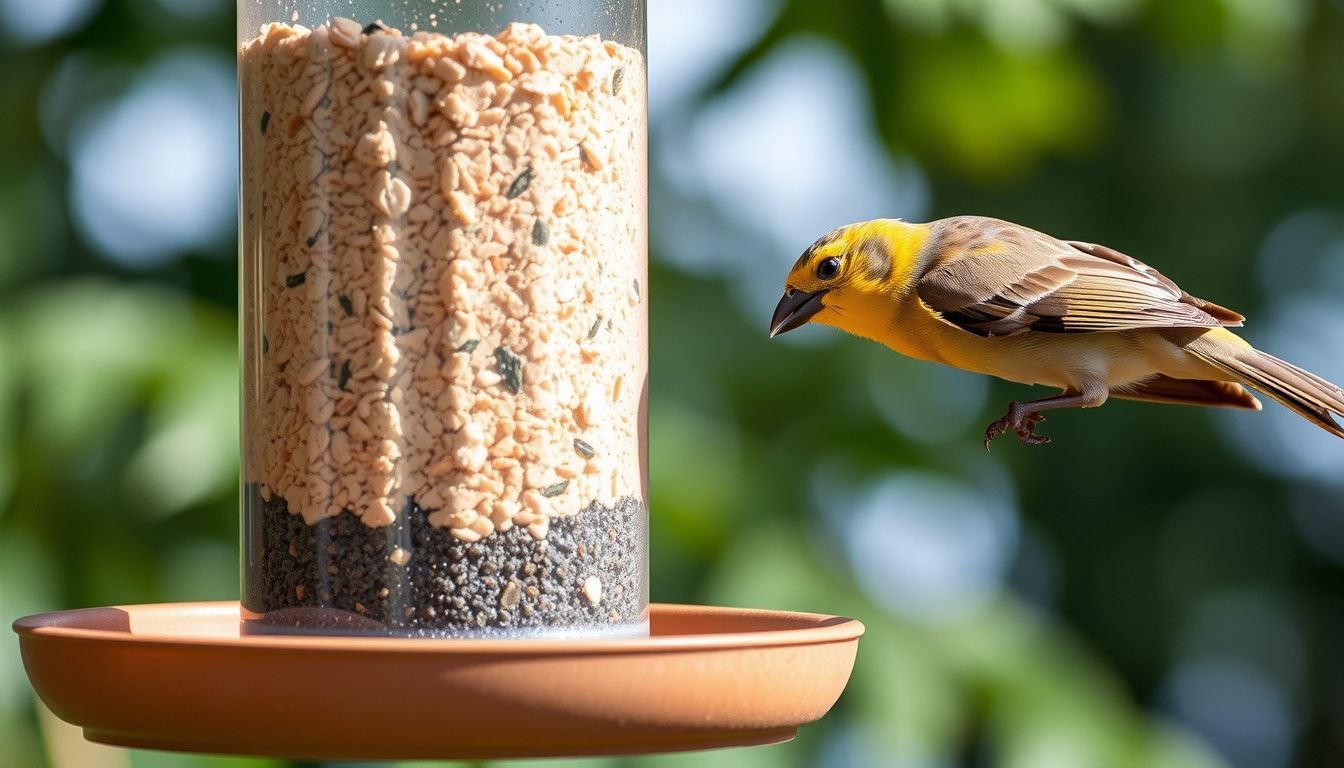
Bird feeders attract more than just birds—they can also harbor bacteria, mold, and parasites. When feeders become contaminated, diseases like salmonella, avian pox, and trichomoniasis can spread rapidly among birds. Even a single dirty feeder can create a hot spot for infection, potentially impacting entire bird populations in the area.
Clean feeders not only protect birds but also ensure that seeds and food remain fresh and appealing. Moldy or spoiled food can deter birds, leading them to seek other feeding grounds. Regular cleaning supports bird health, feeder longevity, and more frequent, diverse bird visits.
Maintaining this simple habit pays off in healthier, happier flocks.
Signs Your Bird Feeder Needs Cleaning
Recognizing when a feeder needs attention helps prevent problems before they start. Some telltale signs include:
- Visible mold, clumped or wet seed
- Unpleasant odor
- Sticky or slimy surfaces
- Bird droppings or debris buildup
- Decreased bird activity
If any of these signs appear, it’s time to clean—regardless of the calendar. For example, after a heavy rain, a sunflower seed feeder may develop wet, clumped seed at the bottom, which quickly molds and needs prompt cleaning.
Supplies Needed for Cleaning Bird Feeders
A few basic supplies make cleaning quick and effective:
- Stiff-bristled brush (bottle brush or old toothbrush for crevices)
- Mild dish soap (unscented preferred)
- Household bleach or white vinegar (for disinfecting)
- Rubber gloves (for protection)
- Buckets or large sink (for soaking parts)
- Clean towels or drying rack
Having dedicated cleaning tools for feeders—kept separate from kitchen supplies—helps avoid cross-contamination.
Preparing to Clean: Safety Precautions
Cleaning bird feeders can expose people to germs and chemicals. Wearing rubber gloves protects skin from both bird droppings and cleaning solutions. Choose a well-ventilated area, preferably outdoors or in a utility sink.
Dispose of old seed and debris away from the feeding area to avoid attracting rodents or pests. Always wash hands thoroughly after cleaning, even when gloves are used. If bleach is chosen for disinfecting, never mix it with other cleaners to avoid dangerous fumes.
Step-by-Step Cleaning Process for Bird Feeders
Follow these steps for thorough cleaning:
- Empty the feeder. Discard old seed and debris.
- Disassemble the feeder as much as possible.
- Soak parts in warm, soapy water for 10-15 minutes.
- Scrub all surfaces, including crevices and feeding ports, using a brush.
- Rinse thoroughly with clean water to remove soap residue.
For example, a tube feeder taken apart and scrubbed after a heavy storm prevented a mold outbreak that could have sickened the local chickadee flock.
How to Disinfect Bird Feeders Properly
Disinfection is a crucial step after cleaning. Use one of these methods:
- Bleach Solution: Mix 1 part household bleach to 9 parts water. Soak parts for 10 minutes.
- Vinegar Solution: Use undiluted white vinegar for a natural alternative. Soak for 15-20 minutes.
Rinse every piece thoroughly with water to eliminate any residue, which can harm birds. Allow everything to air dry—never refill or reassemble until completely dry. This step ensures that bacteria, mold spores, and viruses are neutralized.
Drying and Reassembling the Feeder
Proper drying is critical. Moisture trapped inside a feeder encourages mold growth and spoils seed. Place parts on a clean towel or drying rack in a sunny, airy spot.
Let them dry completely—at least an hour, longer for humid conditions.
Once dry, reassemble all parts securely. Double-check that all feeding ports and lids are tightly closed to keep out rain and pests. Only refill with fresh seed after ensuring the feeder is bone dry.
This step preserves the cleaning effort and keeps the feeder safe for birds.
Tips for Maintaining a Clean Bird Feeding Area
Clean feeders lose their value if the surrounding area is messy. Here’s how to keep it tidy:
- Rake up spilled seed and hulls regularly.
- Move feeders occasionally to prevent bare spots and waste build-up.
- Provide drainage—place feeders over gravel or mulch for easy clean-up.
- Install trays or seed catchers to minimize waste on the ground.
Regular area maintenance discourages rodents, reduces disease risk, and attracts more birds for safe feeding.
Common Questions
How often should bird feeders be cleaned?
Most experts recommend cleaning every two weeks. If you notice mold, clumped seed, or heavy use, clean more frequently—especially during wet or hot weather.
Can you use dish soap to clean bird feeders?
Yes, mild unscented dish soap works well for removing debris and grime. Always rinse thoroughly to remove soap residue before disinfecting and drying.
Is bleach safe for birds if used to disinfect?
When properly diluted (1:9 ratio with water) and rinsed thoroughly, bleach is safe and effective for disinfecting feeders. Never leave bleach residue or refill before the feeder is fully dry.
What should you do with old birdseed from a dirty feeder?
Dispose of old, moldy, or clumped seed in the trash—never compost it or spread it in the yard, as it can spread disease and attract pests.
What This Means for You
Learning how do you clean bird feeders protects your backyard birds, keeps your feeders in top shape, and ensures a healthy, lively feeding station year-round. With regular cleaning, the right supplies, and simple safety steps, anyone can prevent disease and enjoy birdwatching at its best. Make feeder cleaning a routine—your feathered friends will thank you with every chirp and visit.
-
60-Second Recap:
- Dirty feeders spread disease—clean every 2 weeks.
- Use gloves, soap, and bleach or vinegar for safe cleaning.
- Rinse and dry completely before refilling.
- Keep the feeding area tidy to attract healthy birds.
- Watch for signs like mold or odors; act quickly.