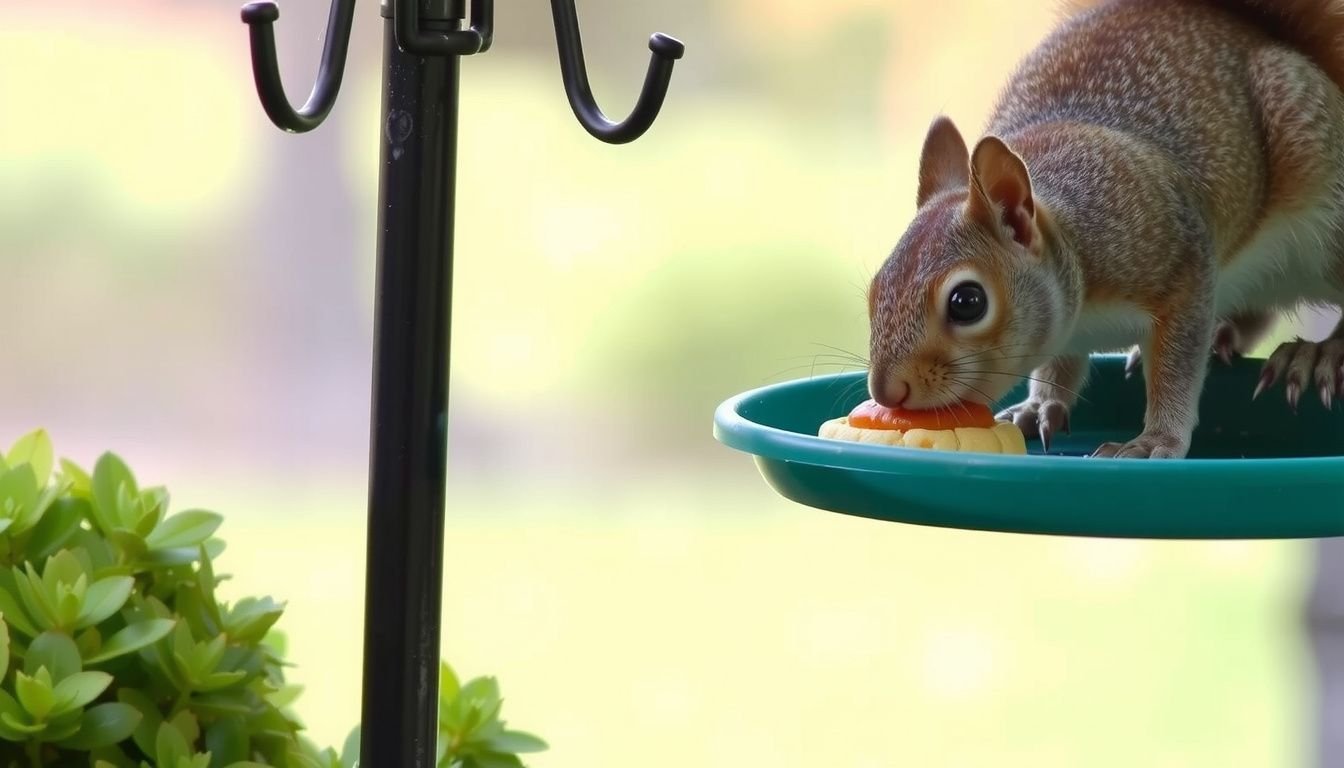
Wondering how to repel squirrels from bird feeders—permanently? Squirrels are notorious for raiding backyard feeders, outwitting even clever setups, and scaring away birds. Their agility and persistence can quickly turn any peaceful birdwatching session into a frustrating battle.
But with the right strategy, it’s absolutely possible to keep them at bay, protect your birdseed investment, and restore calm for your feathered visitors. This guide walks through a proven, step-by-step approach, from identifying the scale of the problem to choosing and installing the most effective deterrents. Look out for practical advice, a real-world setup example, and troubleshooting tips to help you achieve long-term success.
Ready to outsmart those squirrels? Here’s exactly what works.
Assess the Squirrel Problem Before Taking Action
Before jumping into solutions, it’s critical to understand the scope of your squirrel issue. Start by observing your feeders at different times of day. Are squirrels visiting occasionally, or dominating the area?
Identify their entry points—are they jumping from trees, climbing poles, or leaping off fences?
Document their behavior over several days. Noting patterns will help in customizing your strategy. If you have multiple feeders, track which ones are most frequently raided.
Also, check for evidence like empty feeders, scattered seeds, or gnawed parts.
Pro Tip: Take quick notes or photos with your phone. This will save time when planning deterrents.
Common mistake: Ignoring the source of the problem and applying random solutions. Targeted actions always deliver better results.
Select the Right Squirrel-Proof Bird Feeder
Choosing a feeder designed to deter squirrels is a foundational step. Look for features such as:
- Weight-activated perches—close access ports under a squirrel’s weight.
- Metal construction—resists chewing.
- Seed cages—allow only small birds through.
Compare a standard tube feeder with a weight-sensitive model: the latter closes feeding ports when something heavier than a bird lands. For example, a homeowner in Seattle switched to a metal Brome Squirrel Buster and saw squirrel visits drop by 90% within a week.
Common mistake: Using plastic or open-tray feeders. Squirrels chew plastic and access seed easily.
Install Baffles and Physical Barriers Effectively
Physical barriers remain one of the most reliable defenses. Install a baffle—a dome or cone-shaped shield—on feeder poles, at least 4 feet off the ground. Ensure baffles are wide (12–18 inches) and can spin or tilt to prevent climbing.
For hanging feeders, use a dome baffle above the feeder, or a slinky attached to the pole. Position feeders away from horizontal jump-off points—at least 10 feet from trees or fences.
Pro Tip: Regularly check and adjust baffles. Squirrels quickly adapt to poorly fitted barriers.
Common mistake: Placing baffles too low or too close to launching surfaces. Squirrels can leap impressive distances.
Choose and Position Bird Feeders Strategically
Where and how feeders are placed strongly influences squirrel access. Follow these guidelines:
- Height: Hang feeders at least 5 feet above ground.
- Distance: Keep feeders 10 feet from tree trunks, fences, roofs, or railings.
- Open Space: Place feeders on a pole in a clear area, if possible.
Mounting feeders on smooth metal poles (not wood) further reduces climbing. Use a shepherd’s hook with a baffle for free-standing setups.
Common mistake: Overlooking nearby branches or railings—squirrels can leap horizontally up to 10 feet.
Use Repellents and Safe Deterrents Properly
Certain repellents can help, but must be used with care. Options include:
- Capsaicin-treated seed: Birds aren’t affected, but squirrels dislike the heat.
- Commercial squirrel sprays: Apply to poles and baffles, never directly on feeders or birdseed.
- Decoy feeders: Set up a separate feeder with corn or nuts far from main feeders to distract squirrels.
Test deterrents for a week and monitor results. Always avoid toxic substances or sticky coatings—these can harm birds.
Common mistake: Overusing repellents or applying them where birds feed.
Maintain and Monitor Results for Lasting Success
Repelling squirrels is not a “set it and forget it” task. Regularly inspect feeders, baffles, and barriers for signs of squirrel tampering or wear. Refill feeders promptly to avoid attracting desperate rodents seeking leftovers on the ground.
Document changes in squirrel activity each week. If a method stops working, rotate deterrents or adjust placement. Consistency discourages persistent squirrels.
Pro Tip: Clean up spilled seed—leftover food attracts both squirrels and other pests.
Common mistake: Ignoring maintenance. Squirrels exploit weak points as soon as they appear.
People Also Ask
Do ultrasonic squirrel repellents work for bird feeders?
Ultrasonic devices show mixed results. Squirrels often adapt or ignore them. Physical barriers and proper feeder placement are far more reliable for lasting control.
What is the best squirrel-proof bird feeder design?
Feeders with weight-activated perches, metal construction, and enclosed seed ports offer the best defense. Brands like Brome and Droll Yankees consistently outperform basic tube or tray feeders.
Is it harmful to use spicy birdseed?
No. Capsaicin in spicy seed doesn’t affect birds, but squirrels dislike it. Always use commercial blends, not homemade sprays, to avoid harming wildlife.
Can squirrels jump onto hanging bird feeders?
Yes. Squirrels can leap up to 10 feet horizontally and 5 feet vertically. Hang feeders well away from launching points and use baffles for extra security.
Your Action Plan
Squirrel-proofing bird feeders requires a layered approach: assess the problem, upgrade to a squirrel-resistant feeder, install effective baffles, and position everything strategically. Supplement with safe deterrents and maintain vigilance. For best results, combine two or more methods and tweak as needed based on squirrel persistence.
Document progress weekly—this keeps efforts focused and effective. With patience and the right setup, anyone can reclaim their feeders for the birds. Ready to start?
Pick the first step and take action today.