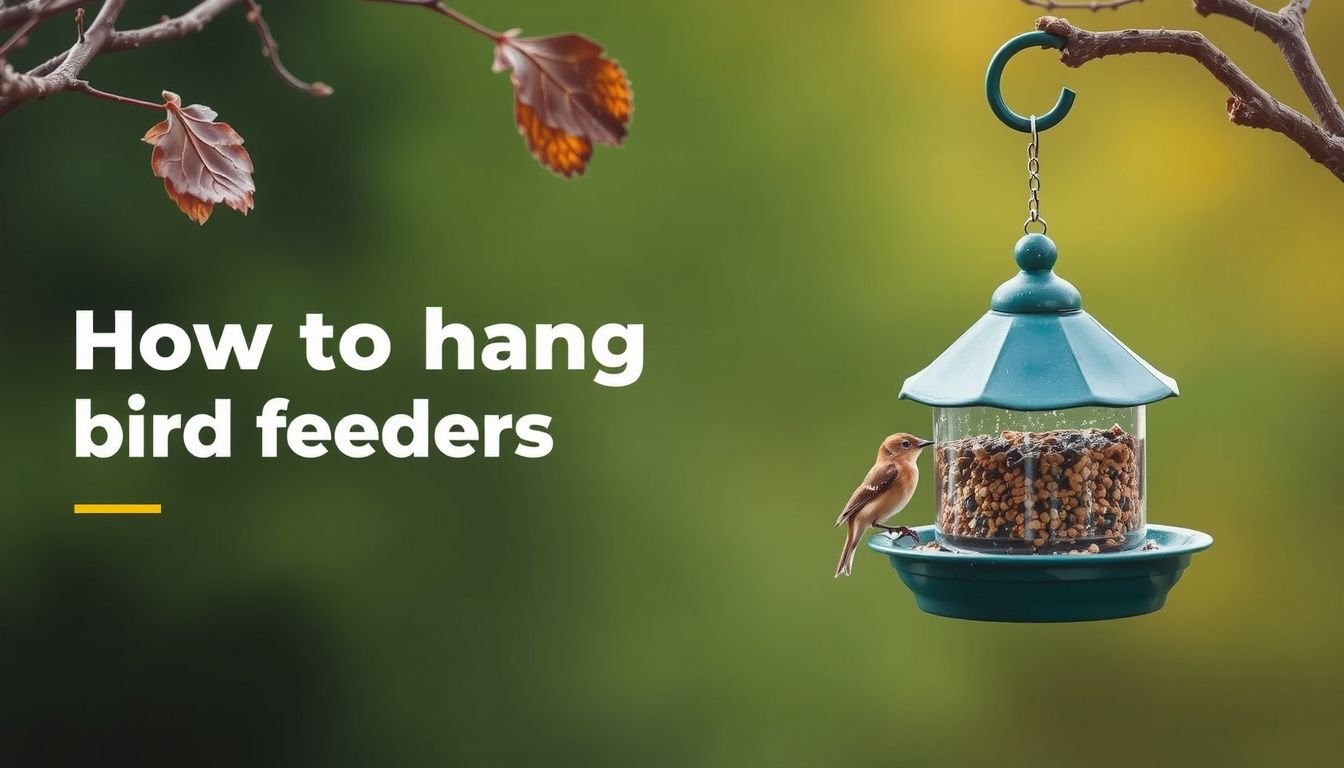
How to hang bird feeders well comes down to three things: safe placement, solid hardware, and consistent care. A feeder that swings too much, sits too close to cover, or leaks seed won’t just waste money—it can invite pests and stress birds. A well-hung feeder, though, creates a reliable stop that birds learn to trust.
Look, small changes matter: a few inches of clearance can reduce squirrel access, and a simple baffle can stop most climbing attempts. Before anyone drills, ties, or hooks anything up, they should think through the birds they want, the predators in the area, and the surfaces available (tree, post, eave, or railing). The steps below walk through a clean, repeatable setup that keeps birds safer and makes the feeder easy to refill and clean.
Gather Tools and Check Local Rules Before You Start
They should start by confirming what’s allowed where they live. Some HOAs restrict poles or hanging items from balconies, and some parks or shared spaces prohibit feeding wildlife. If bears are present locally, many agencies recommend seasonal feeder removal.
Next, they should stage tools so installation doesn’t turn into improvisation. A stable setup is easier when everything is within reach.
- Basic tools: tape measure, pencil/marker, level, ladder, work gloves
- Hardware tools: drill/driver, bits, wrench or socket set
- Supplies: exterior-rated screws/bolts, carabiner or quick link, weatherproof sealant (for mounts)
Pro tip: They should choose stainless or galvanized hardware outdoors to reduce rust and sudden failures. Common mistake: using indoor hooks or light-duty chain that snaps after a few storms.
Choose the Right Feeder and Seed for the Birds They Want
They’ll get better results by matching feeder style to local species and the seed they plan to offer. Tube feeders favor finches and chickadees. Hopper feeders attract cardinals and jays.
Suet cages bring woodpeckers.
Seed quality matters as much as feeder style. Fresh seed draws birds faster and reduces mold risk. They should avoid cheap mixes heavy on fillers that many birds toss to the ground.
- Black oil sunflower: broad appeal, high energy
- Nyjer (thistle): finches, requires a finch feeder
- Suet: cold-weather fuel, use a suet cage
Pro tip: They should pick feeders with drainage holes and easy disassembly for cleaning. Common mistake: buying a large feeder first; it often goes stale before it’s emptied.
Pick a Safe Location with Proper Height and Clearance
They should place feeders where birds can see danger and escape quickly. A good baseline is 10–12 feet from dense shrubs where cats can hide, while still offering a nearby perch for birds to stage their approach.
Height depends on the hanging method, but most feeders work best at 5–6 feet high—easy to service, harder for pets to reach, and still visible to birds. They should also consider window safety.
- Keep feeders within 3 feet of a window or beyond 30 feet to reduce collision risk
- Allow 2–3 feet of clearance from walls, rails, and branches to limit squirrel access
- Choose a spot with partial shade to slow seed spoilage in hot climates
Pro tip: They should stand at the intended spot and look for a straight, safe ladder path. Common mistake: hanging over a deck walkway where droppings and seed hulls become a daily mess.
Select a Hanging Method: Branch, Pole, Hook, or Mount
They should choose a method based on control and serviceability. Poles offer the best adjustability and baffle options. Branch hangs are quick but can harm trees if done poorly.
Wall or eave mounts work well near doors for easy refills.
| Method | Best for | Watch-outs |
|---|---|---|
| Pole system | Multiple feeders, baffles, consistent height | Needs ground install; can be pricey |
| Branch hang | Fast setup, natural look | Tree damage if tied tight; squirrel routes |
| Hook/mount on structure | Easy access, stable | Must seal holes; avoid weak trim |
Pro tip: They should prioritize a setup that makes cleaning simple. Common mistake: choosing a “perfect view” spot that’s miserable to reach in winter.
Install Hardware Securely Without Damaging Trees or Structures
They should install hardware to handle wind, weight, and repeated refills. For structures, they should fasten into solid framing, not thin fascia or decorative trim. Exterior-rated screws and a pilot hole reduce splitting.
For trees, they should avoid nails and tight wire. A soft strap or rope over a branch, protected with a short section of hose, prevents bark damage while allowing movement.
- Locate solid wood framing or a sturdy branch junction.
- Pre-drill pilot holes for hooks or brackets.
- Use a carabiner/quick link between hook and chain for easy removal.
Pro tip: They should use a swivel (or two carabiners) to reduce line twist. Common mistake: over-tightening straps on branches; it can girdle and weaken the limb over time.
Hang the Feeder Level and Add Squirrel and Weather Protection
They should hang the feeder so ports stay level and seed flows correctly. If it tilts, birds spill seed, and moisture pools. A short chain with an adjustable link makes leveling quick.
Squirrel control is easiest when built into the layout. A baffle below the feeder stops climbers on poles, while distance and clearance limit jump access. Weather protection keeps seed fresh and reduces mold.
- Baffle: install 4–5 feet above ground on poles
- Rain guard: use a dome or choose a feeder with a wide roof
- Drip control: avoid hanging directly under gutters
Practical example: They hang a tube feeder on a 7-foot pole, place a 17-inch baffle at 4.5 feet, and keep the feeder 8 feet from a low branch—squirrels stop reaching it within a day. Common mistake: placing the feeder within 3 feet of a launch point like a fence top.
Set a Maintenance Routine: Refill, Clean, and Inspect
They should treat feeding as light stewardship, not a “set it and forget it” task. Old seed and dirty ports spread disease, especially in warm, wet weather. A simple schedule prevents most issues.
- Refill: only what birds finish in 3–7 days
- Clean: every 2 weeks; weekly in humid or crowded conditions
- Inspect: check hooks, chain, and knots monthly for wear
They can wash feeders with hot soapy water, rinse well, then disinfect with a mild bleach solution (1 part bleach to 9 parts water). After disinfecting, they should rinse again and air-dry completely.
Pro tip: They should keep a second feeder to swap in while one dries. Common mistake: topping off seed without emptying old, damp seed from the bottom.
Troubleshoot Common Problems and Improve Bird Activity
If birds don’t show up, they should adjust expectations and conditions. New feeders can take days or weeks to be discovered. Consistency helps, and so does offering a high-value seed like black oil sunflower.
- No birds: move feeder to a quieter spot; add fresh water nearby
- Seed disappearing fast: check for squirrels at dawn; add baffle or switch to safflower
- Moldy seed: add a rain guard; reduce fill volume; improve drainage
- Ants/bees: use ant moats; avoid sugary feeders in peak insect season
Pro tip: They should start with one feeder, learn the traffic pattern, then expand. Common mistake: relocating the feeder every day; it delays discovery and routine.
What Readers Ask
How high should they hang a bird feeder?
Most feeders work well at 5–6 feet high for easy refilling and cleaning. If squirrels are a problem, height alone won’t solve it; clearance and a baffle matter more.
How far from a house should a feeder be?
They can place it 10–15 feet from the house if there’s good clearance and easy access. They should avoid hanging directly over doors, grills, or high-traffic walkways.
Can they hang a feeder from a tree without harming it?
Yes, if they use a wide strap or rope with padding and don’t cinch it tight. They should avoid nails and wire, and they should re-check the attachment as the tree grows.
What’s the best way to keep squirrels off?
A pole-mounted baffle plus 2–3 feet of clearance in all directions stops most squirrels. If they can jump from branches or fences, they should move the feeder or block the launch point.
How often should they clean bird feeders?
Every two weeks is a solid baseline. In hot, wet weather or heavy use, weekly cleaning is safer. They should always clean immediately if they see wet clumps, mold, or sick birds nearby.
You’re Ready
They can hang a feeder confidently by planning the spot, choosing sturdy hardware, and building in squirrel and weather control from the start. A stable, level hang keeps seed dry and birds comfortable. Routine cleaning keeps the setup healthy.
Next actions are simple: they should pick one feeder and one quality seed, install it where they can service it easily, then track activity for two weeks. If squirrels or spoilage show up, they should adjust clearance, add a baffle, and reduce fill volume until the system runs clean.
Related read: How to Build Bird Feeders: A Step-by-Step Backyard Guide