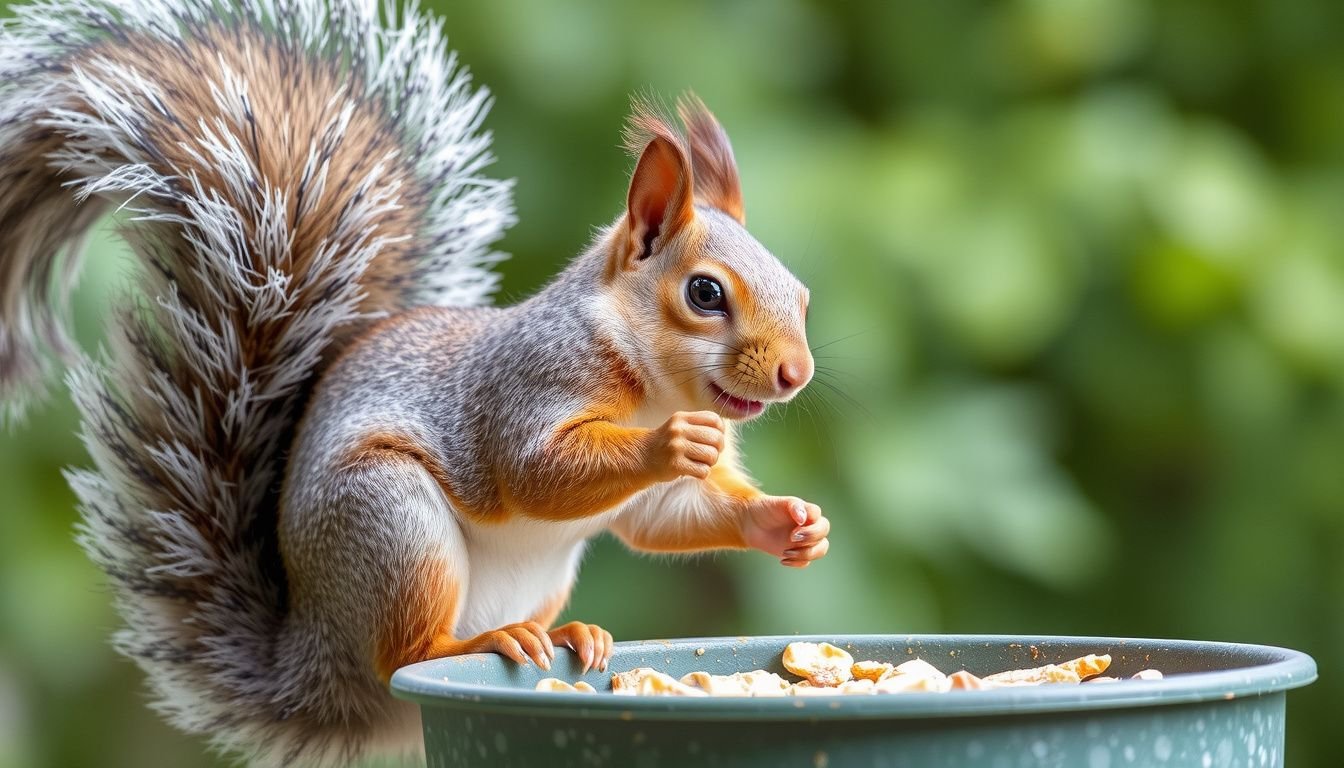
How to deter squirrels from bird feeders starts with accepting one thing: squirrels aren’t “bad,” they’re just persistent, athletic, and rewarded by easy calories. The goal isn’t to eliminate wildlife; it’s to remove the payoff so birds can feed in peace.
A workable plan combines smart placement, physical barriers, and feed choices that squirrels don’t value. Each change should be tested for a week, since squirrels learn routes fast and adapt even faster.
Look for patterns. Where do they jump from? Do they climb a pole, drop from a branch, or raid spilled seed below?
Once those access routes are clear, the fixes become straightforward and predictable.
Assess the Feeder Setup and Identify Squirrel Access Routes
They should start by watching the feeder for 5–10 minutes at peak activity (early morning or late afternoon). One observation session often reveals the exact entry point: a leap from a fence, a climb up a pole, or a drop from overhead limbs.
Next, they should map “launch points” within jumping distance. Most squirrels can jump roughly 4–5 feet horizontally and 8–10 feet downward, so nearby objects matter more than the feeder itself.
- Check above: branches, rooflines, wires, pergolas.
- Check beside: fences, deck rails, shrubs, stacked firewood.
- Check below: seed spill areas that reward ground feeding.
Pro tip: A phone video set on a windowsill can capture the route without spooking them. Common mistake: treating the feeder as the problem while ignoring the “squirrel highway” around it.
Prepare the Area Before You Start (Tools, Placement, and Clean-Up)
They should gather supplies first, because partial fixes often fail. A baffle won’t help if the pole is too close to a fence, and “hot” seed won’t help if spilled sunflower is still available below.
- Tape measure (for clearances), work gloves, and a small step stool
- Seed tray removal tool (or screwdriver) if the feeder has attachments
- Rake or shop broom for daily spill clean-up
- Optional: pole-mounted baffle, clamp-on guard, or a heavier pole
They should also set a clean-up routine before changing feed. A simple rule works: if seed hits the ground, it should be removed the same day.
Pro tip: Place a shallow mulch ring under the feeder area to make spill removal faster. Common mistake: adding deterrents while leaving an easy buffet on the ground.
Reposition Feeders to Reduce Jumping and Climbing Access
Placement does most of the work. They should move feeders so squirrels can’t jump onto them from nearby structures. The ideal setup is a pole in open space with clear air around it.
- Keep the feeder at least 10 feet from fences, trees, roofs, and railings.
- Mount the feeder so the hook sits 5–6 feet above ground, with room for a baffle below.
- Choose a smooth, metal pole rather than wood (wood is easy to grip).
Practical example: A homeowner moved a feeder from a deck hook to a pole 12 feet into the yard, then trimmed one low branch that served as a launch point. Squirrel visits dropped within three days because the jump route disappeared.
Pro tip: If distance is limited, relocate the “launch point” instead—move a bench, remove a planter stand, or shift a woodpile. Common mistake: hanging a feeder under a tree canopy and expecting a baffle to handle overhead drops.
Install Physical Barriers (Baffles, Guards, and Pole Upgrades)
When placement can’t be perfect, hardware finishes the job. They should choose barriers that match the access route: climbing protection for poles, and guards for hanging systems.
| Barrier | Best For | Key Setup Detail |
|---|---|---|
| Pole baffle (dome or cylinder) | Stopping climbers | Install 4–5 feet above ground; baffle diameter 15–18 inches |
| Hanging baffle | Stopping top-down drops | Place above feeder; keep feeder 10+ feet from launch points |
| Upgraded pole (thicker metal) | Preventing flex and bypass | Use a rigid pole; avoid thin shepherd hooks |
They should inspect weekly. Squirrels exploit loose clamps and tilted baffles. Tightening hardware is often the difference between “works” and “doesn’t.”
Pro tip: Grease is messy and can harm feathers; a properly sized baffle is cleaner and more reliable. Common mistake: installing a baffle too low, letting squirrels jump over it and grab the feeder.
Adjust Feed and Maintenance to Keep Squirrels Disinterested
Food choice changes the reward. If the feeder offers high-fat favorites, squirrels will keep trying. They should shift to seed blends that birds like but squirrels value less, then maintain a tight routine to remove easy wins.
- Use safflower: cardinals and chickadees often eat it; many squirrels avoid it.
- Try nyjer (thistle): great for finches; less attractive to many squirrels.
- Reduce sunflower: especially black oil, a top squirrel magnet.
They should also remove trays that catch seed and switch to feeders that close under squirrel weight. Maintenance matters: refill smaller amounts more often so there’s less to steal.
Pro tip: A quick evening sweep under the feeder breaks the “ground reward” cycle. Common mistake: using pepper-treated seed without gloves and then touching eyes or skin.
People Also Ask
Will coffee grounds or cinnamon deter squirrels from feeders?
They’re inconsistent outdoors and wash away quickly. Squirrels may ignore them once food is present. Physical barriers and placement changes deliver more reliable results with less mess and fewer repeat applications.
Do squirrel-proof feeders actually work?
They can work when paired with correct placement and a baffle. If a feeder is within jumping range or mounted on a flimsy hook, squirrels often bypass “squirrel-proof” features by swinging, dropping, or brute force.
What’s the fastest way to stop squirrels from eating all the bird seed?
They should move the feeder 10 feet from launch points and install a pole baffle. Then switch to safflower or nyjer for two weeks. Fast results usually come from combining placement and barriers.
Putting It Into Practice
They should start with observation, then fix the easiest access route first. A simple sequence works: clear launch points, reposition the feeder into open space, install the right baffle, then adjust seed and clean-up habits.
They shouldn’t expect perfection on day one. Squirrels test, fail, and try again. Consistency wins.
Next actions: measure distances, pick one feeder location with maximum clearance, and commit to a one-week trial before changing multiple variables. When the payoff disappears, most squirrels move on and birds settle in.