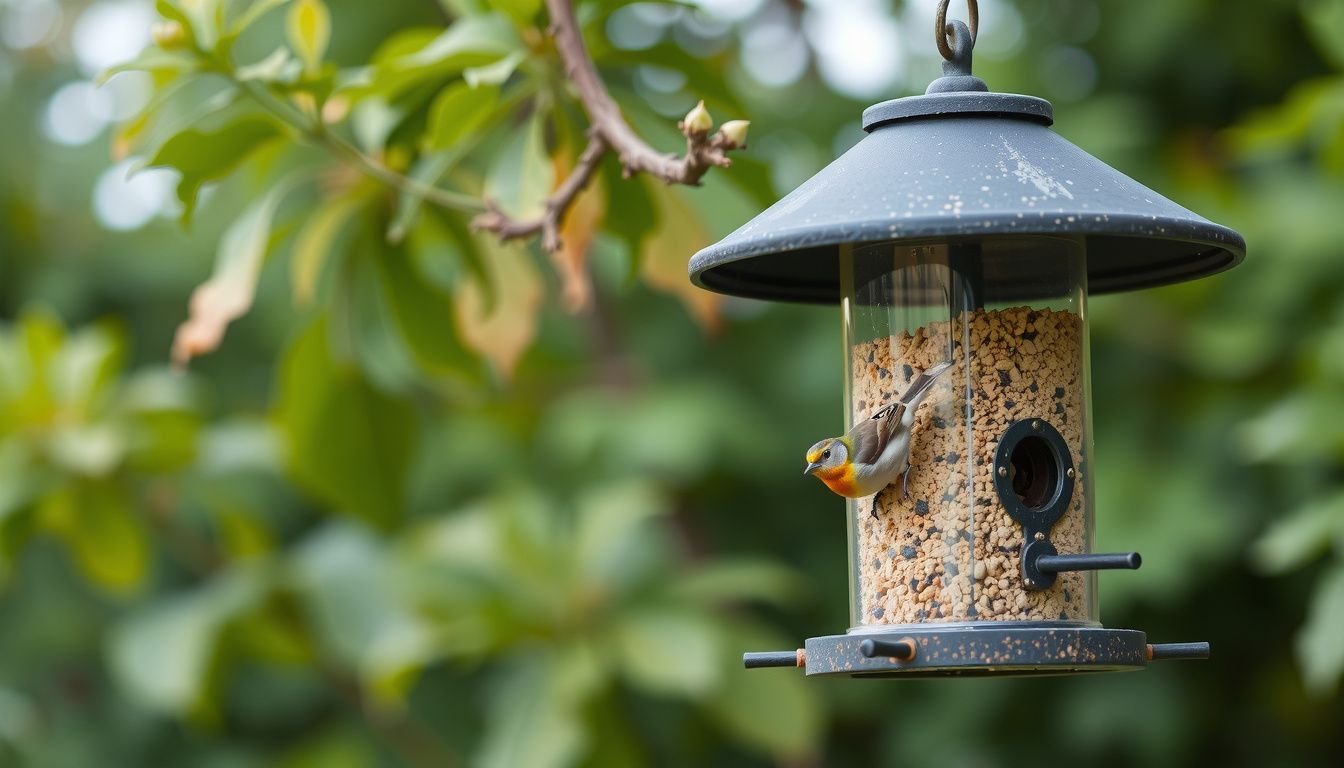
How to clean bird feeders isn’t complicated, but it’s one of the biggest factors in keeping backyard birds healthy. Seed oils, droppings, rain, and heat can turn a feeder into a germy mess fast. When that happens, birds may spread salmonella, trichomonosis, and other illnesses as they crowd around food ports and perches.
Look, a clean feeder also attracts more birds because fresh seed smells better and flows properly. The process is simple: empty old seed, wash, disinfect, rinse, dry, then refill. The key is using the right disinfectant ratio and letting everything dry fully before adding seed back.
One practical example: a homeowner notices finches acting sluggish at a tube feeder after a rainy week. They pause feeding for two days, deep-clean the feeder, and restart with fresh seed—bird activity returns quickly, with fewer clumps and less waste.
Know When to Clean and Why It Matters
Bird feeders should be cleaned often enough to break the disease cycle. Warm weather, wet seed, and heavy traffic speed up contamination. A feeder can look “fine” and still carry pathogens on ports, perches, and inside corners.
They should clean sooner when seed is damp, clumped, or has a sour smell. They should also clean immediately if they see sick birds (fluffed feathers, lethargy, swollen eyes) or unusual die-offs nearby.
- Typical baseline: every 2 weeks for most feeders.
- High-risk times: weekly during hot, humid, or rainy periods.
- Outbreak response: stop feeding for 48–72 hours and disinfect all feeders.
Pro tip: Cleaning is most effective when they rotate two feeders. One stays in use while the other dries completely. Common mistake: topping off new seed over old seed, which traps moisture and speeds mold growth.
Gather Supplies and Choose a Safe Cleaning Spot
They should set up a dedicated cleaning area outdoors or in a utility sink to prevent cross-contamination. A driveway or patio works well because it’s easy to rinse and disinfect afterward.
They’ll need basic tools and a bird-safe disinfectant approach. Avoid scented cleaners, strong degreasers, and any product that leaves residue.
- Rubber gloves and eye protection
- Dish soap, hot water, bottle brush/toothbrush
- Two tubs or buckets (wash and disinfect)
- Household bleach (unscented) or white vinegar
- Clean towel or drying rack
Pro tip: A long, narrow bottle brush reaches tube feeder interiors better than a sponge. Common mistake: cleaning feeders in a kitchen sink without disinfecting the sink afterward; pathogens can linger on surfaces.
Disassemble the Feeder and Empty Old Seed
They should take the feeder apart as much as the manufacturer allows. Removing ports, perches, trays, and baffles exposes the areas that build up biofilm and seed sludge.
Next, they should dump all seed into the trash. Old seed is rarely worth saving once it’s been exposed to moisture, droppings, or insects. They should also scrape out stuck clumps and hull buildup before washing.
- Remove the feeder from its hook or pole.
- Take photos of the assembly if it’s complicated.
- Discard seed and debris; scrape corners and seams.
- Check for cracks, rust, or sharp edges.
Pro tip: If ants or moth larvae are present, they should bag the seed and discard it immediately. Common mistake: shaking seed out and reusing it “because it’s mostly fine.” That’s how mold and bacteria stay in rotation.
Wash Away Grime With Hot Soapy Water
They should wash first, disinfect second. Soap and friction remove oils, droppings, and the invisible film that protects germs from disinfectants. Hot, soapy water plus scrubbing is the workhorse step.
They should soak parts for 10–15 minutes, then scrub all contact points: feeding ports, perches, tray corners, and inside tubes. Rinse briefly to remove soap before moving to disinfecting.
- Scrub threads, seams, and gasket grooves
- Clean drainage holes so seed stays dry
- Wash hangers and hooks where birds perch
Pro tip: A toothbrush handles tight corners and port rims where droppings collect. Common mistake: quick rinsing without scrubbing; it leaves oils behind, and disinfectant won’t penetrate well.
Disinfect Properly and Rinse Thoroughly
After washing, they should disinfect using a measured solution. For most feeders, an unscented bleach solution is the most reliable option. They should mix it fresh and never combine bleach with other cleaners.
| Disinfectant | Mix | Contact Time |
|---|---|---|
| Unscented bleach | 1 part bleach : 9 parts water | 10 minutes |
| White vinegar | Undiluted | 30 minutes |
They should fully submerge parts or flood all surfaces, then wait out the contact time. Afterward, they must rinse thoroughly with clean water until no odor remains.
Pro tip: Bleach is best during suspected illness outbreaks. Common mistake: using a “splash” of bleach without measuring; too weak won’t disinfect, too strong can damage plastics and leave odor.
Dry Completely and Refill With Fresh Seed
They should air-dry all parts completely before reassembly. Moisture is the enemy; it triggers mold, clumping, and bacterial growth inside the feeder. Drying also prevents seed from sticking to interior walls.
They can place parts on a clean towel in direct sun, which speeds drying and adds mild UV exposure. Once dry, they should reassemble carefully, ensuring ports align and drainage holes remain open.
- Refill with fresh, dry seed only
- Store seed in a sealed container off the ground
- Fill smaller amounts to keep turnover high
Pro tip: They should refill only what birds will eat in 3–7 days. Common mistake: overfilling in humid weather; seed sits too long and spoils faster.
Set a Cleaning Schedule and Troubleshoot Common Issues
A schedule removes guesswork. They should match cleaning frequency to weather and bird traffic, then adjust when conditions change. If they manage multiple feeders, staggering clean days keeps feeding consistent.
- Cool, dry weather: every 2–3 weeks
- Hot, humid or rainy weather: weekly
- After illness sightings: pause feeding 48–72 hours, disinfect immediately
Common issues have simple fixes. If seed cakes inside a tube, they should reduce fill level and confirm drainage is clear. If mold keeps appearing, they should switch to a feeder design with better airflow and stop feeding during long wet spells.
Pro tip: They should rake or hose the ground under feeders to reduce hull buildup and droppings. Common mistake: cleaning the feeder but ignoring the contaminated area beneath it.
Quick Answers
How often should they clean bird feeders?
They should clean most feeders every two weeks, or weekly during hot, humid, or rainy weather. If sick birds appear, they should stop feeding for 48–72 hours and disinfect feeders right away.
Is bleach safe for bird feeders?
Yes, when used correctly. They should use unscented bleach diluted 1:9 with water, keep a 10-minute contact time, then rinse thoroughly and air-dry completely before refilling with seed.
Can they clean feeders with vinegar only?
Vinegar can help for routine cleaning, especially for light buildup, but it’s less reliable during disease outbreaks. They should use undiluted vinegar with a 30-minute soak, then rinse and dry fully.
What signs mean the feeder is making birds sick?
They should watch for lethargy, fluffed feathers, crusty eyes, or birds lingering on the ground. If multiple birds show symptoms, they should remove feeders, disinfect, and contact local wildlife resources if deaths occur.
Should they throw away old seed?
If seed is wet, clumped, moldy-smelling, or contaminated with droppings, they should discard it. Reusing questionable seed keeps pathogens and mold in circulation and can restart the problem quickly.
Start Here
They should begin by emptying the feeder today and checking for damp or clumped seed. Next, they should wash with hot soapy water, then disinfect using a measured bleach solution (1:9) and rinse thoroughly. Drying is non-negotiable; they should air-dry until every part is moisture-free.
For next actions, they should set a repeating calendar reminder based on local weather, keep a small cleaning kit near the door, and refill only what birds will eat within a week. If illness is suspected, they should pause feeding and clean everything—feeder and ground area—before restarting.