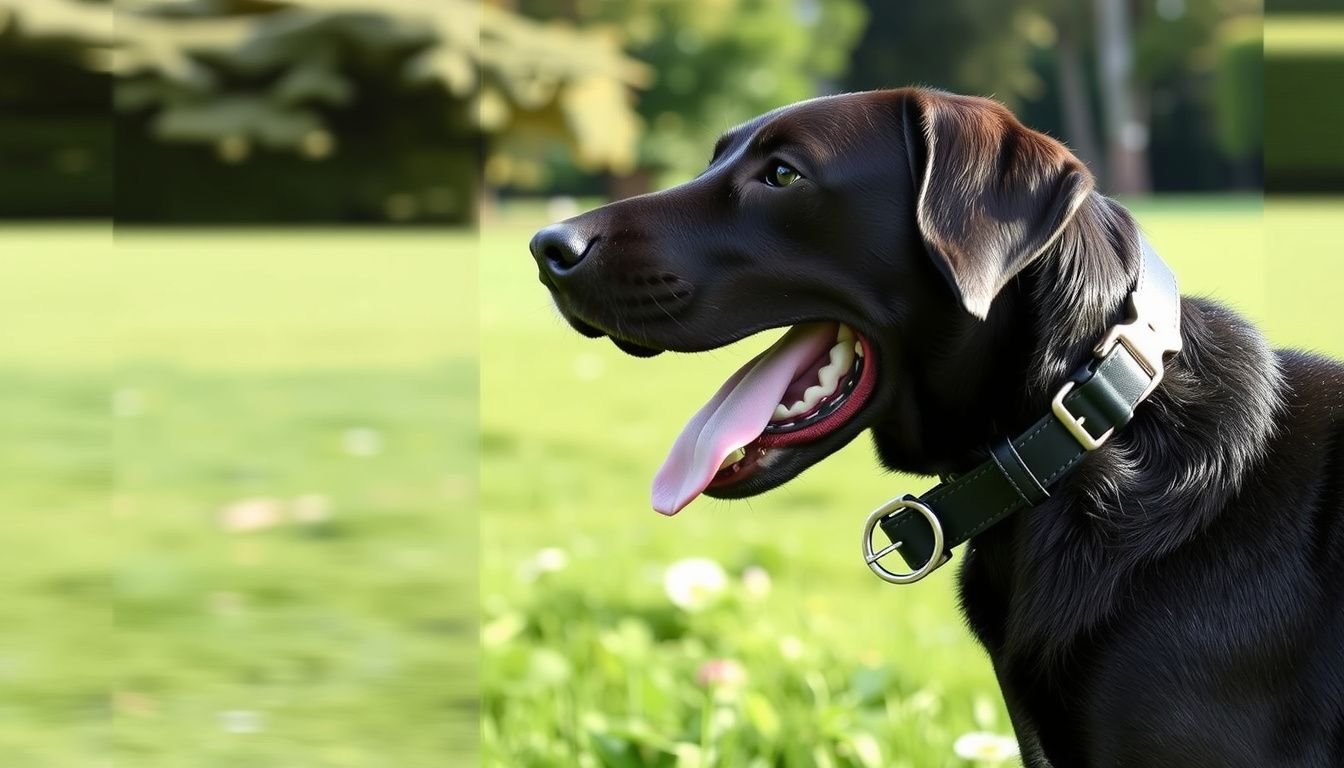
How do dog training collars work is a common question for owners who want clearer communication without turning every walk into a tug-of-war.
These collars are tools that deliver a brief signal—sound, vibration, or stimulation—to mark a behavior and guide a dog toward a better choice. Used well, they support timing and consistency, which many beginners struggle to maintain with voice alone.
Most reputable trainers treat them as training aids, not shortcuts, and pair them with rewards, calm handling, and clear cues. The goal is simple: reduce confusion and build reliable responses at a distance or in distracting environments.
Below is a practical, safety-first breakdown of what the collars do, how dogs experience them, and how to use them responsibly.
What a Dog Training Collar Is and What It’s Designed to Do
A dog training collar is a wearable device that sends a controlled signal from the collar to the dog’s neck area when activated by a handler or triggered automatically. Many models include a handheld remote; others work through bark detection or boundary systems.
Its design goal is communication: it marks a moment and helps the dog connect a specific behavior with an outcome. For example, it can interrupt a fixation on a squirrel long enough for the dog to notice a recall cue.
Training collars aren’t meant to “dominate” a dog or replace basic training. They work best when the dog already understands the cue being reinforced and the handler is focused on timing, fairness, and consistency.
How Dog Training Collars Communicate: Sound, Vibration, and Stimulation
Most training collars communicate through one or more channels: audible tone, vibration, and electronic stimulation. Each signal has a different feel and training use, and many dogs respond to the lowest-intensity option that gets their attention.
Look at the signals as a spectrum—from mild “heads up” to stronger interruption—rather than punishment. The collar’s job is to create a noticeable, brief event that the handler can pair with guidance and reinforcement.
- Sound (tone/beep): a marker or interrupter, often used as a warning cue.
- Vibration: a tactile prompt, helpful for some dogs and for hearing-impaired dogs.
- Stimulation: adjustable intensity; should be set to the lowest effective level.
The Core Mechanism: Timing, Association, and Consistent Feedback
The mechanism behind results isn’t the collar itself—it’s learning theory. Dogs learn by association: what happened, exactly when it happened, and what followed next. Good timing makes the feedback meaningful; poor timing makes it confusing.
Handlers typically aim for feedback within about a second of the target behavior. Then they guide the dog to the correct action and reinforce it. Over repetitions, the dog predicts outcomes and chooses the behavior that pays off.
Consistency matters. If the collar signal sometimes means “come back” and other times means “stop barking,” the dog can’t form a clean association. Clear cues, one goal per session, and repeatable patterns create faster learning with less stress.
Main Types of Training Collars and How Each Works
Different collars solve different problems. Remote collars are handler-controlled for distance work; bark collars activate when vocalization is detected; boundary collars respond to a perimeter signal. Each uses sensors and programming to deliver a chosen signal.
Fit and quality vary widely, and that affects reliability. Better units offer smoother intensity steps, more consistent output, and safer contact points. Cheaper units may have jumpy levels or inconsistent triggering.
|
Type |
How it activates |
Best for |
|---|---|---|
|
Remote training collar |
Handler presses remote button |
Recall, off-leash control, proofing cues |
|
Bark collar |
Detects bark via vibration/sound sensors |
Nuisance barking plans with training support |
|
Boundary (containment) collar |
Detects perimeter signal, escalates near boundary |
Yard limits when fencing isn’t possible |
What Dogs Typically Feel and How They Respond
Dogs experience these signals differently based on coat thickness, neck sensitivity, arousal level, and prior learning. A tone is usually a brief sound cue; vibration feels like a phone buzz; stimulation is commonly described by trainers as a light tapping or tingling at low levels.
Behaviorally, a dog may pause, look to the handler, or break focus from a distraction. That “check-in” is the moment to give the cue and reward compliance. If the dog yelps, panics, or shuts down, the level is likely too high or the plan is unclear.
- Healthy response: orienting to handler, quick recovery, willingness to work.
- Problem response: avoidance, freezing, frantic scratching, escalating fear.
- Training goal: calm attention, then reinforcement for the right choice.
When Training Collars Help Most: Common Use Cases and Goals
Training collars tend to help most when distance, distractions, or safety risks make leash-only training difficult. They’re often used to “proof” known cues—meaning the dog can do it at home, but struggles outside.
Common goals include reliable recall, stopping a chase, reducing fence-running, and interrupting obsessive sniffing or fixations long enough to redirect. For barking, the collar should be part of a broader plan that addresses triggers, exercise, and reinforcement of quiet behavior.
One practical example: a handler teaching recall in a large park starts on a long line. When the dog locks onto geese, the handler uses a low-level vibration, immediately says “Come,” and rewards heavily when the dog turns and returns. Over sessions, the dog learns that turning back is the profitable, predictable choice.
Safety Basics: Fit, Settings, Session Length, and Skin Checks
Safe use starts with correct fit: snug enough for consistent contact, not tight enough to restrict breathing. The collar should sit high on the neck, and contact points should match coat type. Rotating position helps prevent pressure irritation.
Settings should be conservative. Most trainers recommend finding the lowest level the dog can perceive in a low-distraction area, then adjusting slightly for real-world environments. Long, continuous use can irritate skin and increase stress.
- Fit: two-finger rule; stable contact without pinching.
- Session length: short reps, breaks, and no all-day wear.
- Skin checks: daily inspection for redness, sores, or hair loss.
Common Mistakes That Reduce Results or Create Stress
The biggest mistake is using the collar before the dog understands the cue. If the dog doesn’t know “come,” the signal can feel random and unfair. Another common error is poor timing—correcting after the behavior ended or while the dog is already returning.
High intensity is also overused. When handlers jump levels to “make it work,” dogs may become anxious, avoidant, or reactive. Consistency problems matter too: mixed cues, long sessions, and using the collar in anger create unstable learning.
- Using it to punish instead of to guide and reinforce.
- Skipping acclimation and introducing it during high arousal.
- Relying on the collar while neglecting rewards and practice.
How to Choose the Right Collar and Use It Responsibly
Responsible selection starts with the dog’s needs, temperament, and the training goal. A sensitive dog may do well with tone/vibration; a high-drive dog may require a wider range of low-to-medium levels for distractions, not higher “power.” Quality, adjustability, and reliable sensors matter more than maximum intensity.
A good plan includes acclimation (wearing the collar without activation), teaching cues with rewards, and then layering collar signals only as clear, brief prompts. Many owners benefit from guidance by a credentialed trainer who can set levels, refine timing, and keep sessions humane.
- Choose: adjustable levels, safety lock, waterproofing, good fit options.
- Train: cue first, prompt second, reward immediately for compliance.
- Track: note triggers, progress, and any stress signals.
Final Thoughts
Dog training collars work by delivering a brief, consistent signal that helps a dog connect a behavior with an outcome. The real driver is the handler’s timing, clarity, and reinforcement plan, not the intensity setting.
When used thoughtfully, they can support recall, reduce risky chasing, and improve responsiveness in distracting places. When used carelessly, they can create confusion or stress and damage trust.
The most responsible approach is simple: choose a quality collar suited to the goal, start at the lowest effective level, keep sessions short, and pair every correct response with meaningful rewards. If results stall or the dog shows fear, a qualified trainer should adjust the plan.