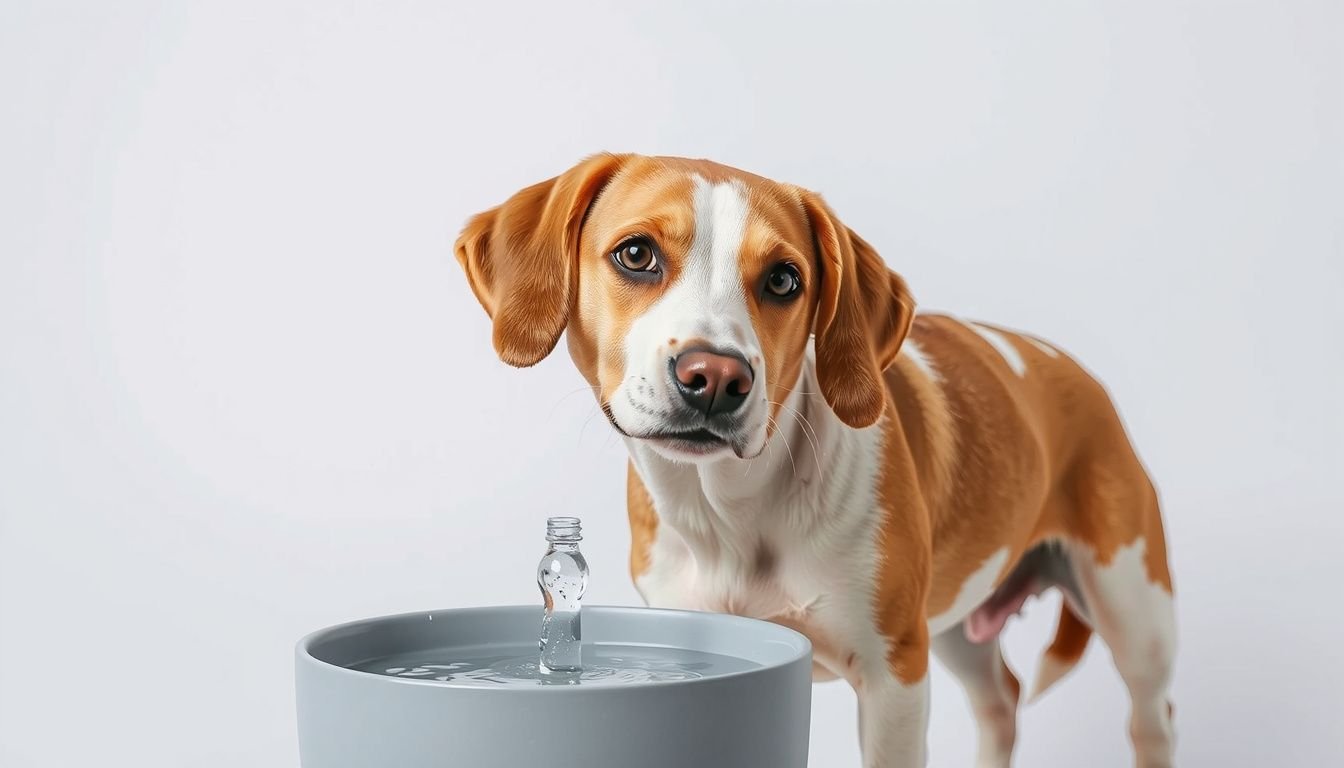
How do dog water fountains work when they look so different from a basic bowl? They use a small pump to move water from a reservoir, push it through a filter, and return it to a drinking spout in a continuous loop.
That motion keeps water tasting fresher and often encourages picky dogs to drink more. It also reduces the “stale bowl” problem that happens when water sits exposed all day.
Pet brands and vets commonly recommend fountains for hydration support, especially for dogs that don’t drink enough on their own. Look—once the parts make sense, choosing and maintaining one becomes straightforward.
Below is a clear breakdown of the components, circulation, filtration, power options, hygiene, and buying tips.
Quick Facts Box
- Core mechanism: Pump-driven recirculation from reservoir to spout
- Typical filters: Carbon + foam, sometimes multi-stage
- Best use case: Dogs that need encouragement to drink or households wanting cleaner water
- Key upkeep: Weekly cleaning; filter changes every 2–4 weeks (brand-dependent)
- Main risks: Biofilm buildup, low-water pump strain, and noisy operation if neglected
What a Dog Water Fountain Is and Why It’s Different From a Bowl
A dog water fountain is a recirculating drinking station that keeps water moving rather than letting it sit. It usually combines a covered reservoir, a pump, and a drinking surface like a spout, stream, or bubbling dome.
A bowl is passive. Dust, hair, and food particles drop in and stay there until someone dumps it out. A fountain actively pulls water away from the surface, routes it through a filter, and returns it to the top.
Many dogs prefer moving water because it seems fresher and is easier to notice. For owners, the practical difference is control: a fountain can reduce odors and debris while keeping a more consistent water level.
Core Components: Reservoir, Pump, Filter, and Spout
Most fountains rely on four parts working together. Each part has a simple job, but the system fails if one is neglected.
- Reservoir: Stores the bulk of the water and helps protect it from open-air contamination.
- Pump: A small electric motor that moves water upward through tubing or a channel.
- Filter: Traps hair and sediment and may reduce tastes and odors with carbon.
- Spout/top tray: Where the dog drinks, often designed to create a stream or ripple.
Some models add a pre-filter sponge on the pump intake to protect the motor from fur and grit.
How Water Circulates: Pump-Driven Flow and Recirculation
Water circulation is a loop. The pump pulls water from the reservoir, pushes it upward, and releases it at the spout or tray. Gravity returns the water back down into the reservoir to repeat the cycle.
That constant movement does two useful things: it prevents stagnation and it mixes the water so the whole reservoir stays more uniform in temperature and freshness. It also helps floating debris drift toward the intake area where filters can catch it.
Flow rate matters. Too strong, and some dogs avoid the noise or splash. Too weak, and the top tray may not refresh properly.
Many fountains allow a simple slider or valve adjustment.
How Filtration Works: Carbon, Foam, and Multi-Stage Systems
Filtration in dog fountains is usually designed for taste and visible debris, not for making unsafe water “safe.” Owners should still start with clean tap or filtered water.
- Foam or mesh pre-filter: Catches hair, kibble dust, and larger particles before they reach the pump.
- Activated carbon: Adsorbs some odors and tastes (like chlorine) and can improve palatability.
- Multi-stage cartridges: Combine layers, sometimes with ion-exchange resin aimed at mineral reduction.
Filters work best with regular replacement. Once saturated or clogged, they can restrict flow and make the fountain louder.
Power and Controls: Plug-In vs Battery and Flow Adjustments
Most dog water fountains are plug-in and run on low-voltage power through an adapter. Plug-in models tend to have steadier flow and fewer interruptions, which is helpful for multi-dog homes.
Battery-powered fountains exist, but owners should expect tradeoffs. Batteries can mean weaker flow over time, more frequent charging, and sensors that stop the pump to save power.
Controls are usually simple:
- Flow adjustment: A dial, slider, or nozzle to change stream strength.
- Indicator lights: Low-water alerts or filter reminders on some units.
- Auto shutoff: Prevents pump damage when the reservoir runs low.
Hygiene and Safety: Materials, Biofilm, and Noise Considerations
Material choice affects cleanliness. Stainless steel and ceramic resist scratches and odors better than many plastics, and scratches matter because they can harbor bacteria.
Biofilm is the real enemy. It’s the slippery layer that forms when bacteria cling to surfaces, especially in warm rooms or when saliva and food particles enter the water. A fountain can look “clean” and still have biofilm in corners, seams, and inside the pump housing.
Noise is a safety and comfort issue too. A loud hum often signals low water, a clogged filter, or pump vibration against the housing. Dogs that startle easily may drink less if the unit rattles or splashes.
Maintenance Basics: Cleaning Schedule, Filter Changes, and Troubleshooting
A fountain stays effective only with routine care. Many owners do best with a simple schedule: quick rinse midweek, deeper clean weekly, and filter changes on a set calendar.
- Weekly: Disassemble, wash with mild soap, scrub crevices, and rinse thoroughly.
- Every 2–4 weeks: Replace the filter (or sooner if flow drops or water smells off).
- Monthly: Clean the pump impeller area; that’s where slime and hair often hide.
Troubleshooting basics: if it’s noisy, check water level and filter clogging; if flow is weak, clean the pump; if it smells, deep-clean all surfaces and replace the filter.
How to Choose the Right Fountain: Size, Capacity, and Dog Preferences
Choosing a fountain is mostly about matching capacity and design to the dog’s habits. A large dog that drinks a lot needs a bigger reservoir, while a small dog may prefer a gentle ripple instead of a tall stream.
A practical example helps. If a household has a 55 lb dog that empties a bowl daily and the owner works 9–10 hours, a 2–3 liter fountain with a quiet pump and stainless top can reduce refills and keep water more appealing through the day.
Key selection checks:
- Capacity: Enough for at least a full day, accounting for evaporation and splashing.
- Footprint: Stable base that won’t tip when paws bump it.
- Dog preference: Stream vs bubbling vs tray; some dogs dislike tall arcs.
- Ease of cleaning: Fewer tight channels, dishwasher-safe parts, accessible pump.
What This Means for You
A dog water fountain works by recirculating water with a pump, refreshing the drinking surface, and filtering debris and odors along the way. That combination can improve water appeal and reduce the grime that builds up in a stagnant bowl.
The value comes from consistency. When the owner keeps water topped up, changes filters on time, and cleans the pump, the fountain stays quiet, hygienic, and reliable.
The smartest next step is simple: pick a size that matches the dog’s daily drinking, choose a material that’s easy to sanitize, and set a maintenance reminder. Done right, the fountain becomes a low-effort upgrade that supports steady hydration.
- Fountains recirculate water from a reservoir to a spout using a small pump.
- Filters catch hair/sediment and can improve taste with activated carbon.
- Plug-in models usually deliver steadier flow than battery options.
- Biofilm control depends on weekly cleaning and pump scrubbing.
- Right fit is capacity + stable design + a flow style the dog accepts.