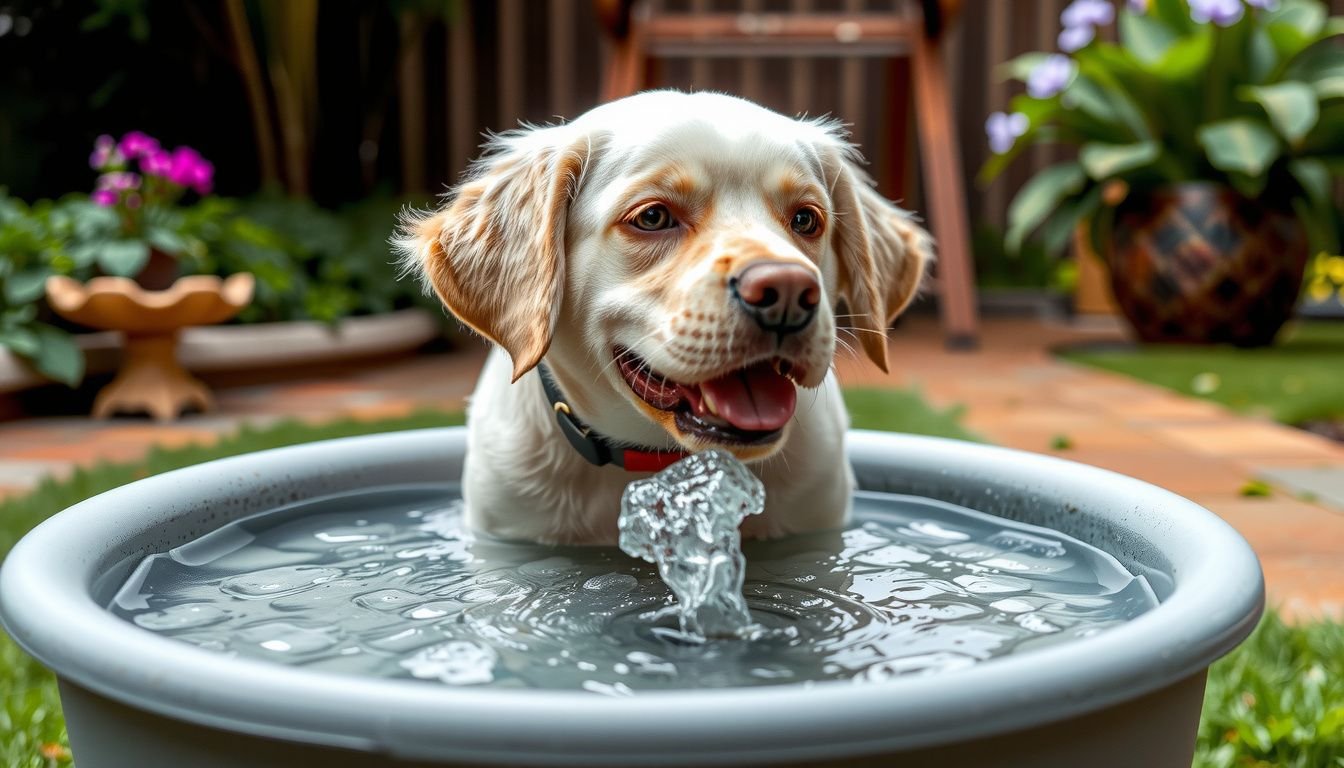
How to make a dog water fountain becomes a real question the moment they hear a dog lapping loudly at a half-empty bowl, then walking away thirsty. Look, it’s common: the water’s warm, a few hairs float on top, and the bowl’s been tipped once already. A simple fountain keeps water moving, cleaner, and more tempting to drink.
This guide walks them through a practical DIY build using easy-to-find parts and basic tools. It focuses on safe materials, steady flow, and simple cleaning so the fountain doesn’t become another chore. They’ll also learn what to avoid, like weak pumps and hard-to-sanitize containers.
Here’s what they’ll be able to do by the end:
- Choose a pet-safe container and a quiet, low-voltage pump
- Set up filtration and a splash-controlled spout or bubbler
- Test flow rate, reduce noise, and prevent leaks
- Create a cleaning routine that takes minutes, not hours
Practical example: they can convert a 2–3 gallon food-grade bucket with a small submersible pump and a short vinyl tube, then add a simple foam pre-filter to catch fur before it reaches the impeller. The result is steady, fresh water that many dogs prefer over a stagnant bowl.
Plan the Build and Gather Safe Materials (Before You Start)
Now the build gets practical: planning prevents leaks, chewed cords, and a pump that can’t keep up. Before any cutting or wiring, they should decide where the fountain will live and how the dog will use it.
Start by sizing the system around the dog’s drinking style. A gentle sheet of water suits cautious drinkers, while a small bubbling spout often attracts curious dogs. They should also confirm access to an outlet (preferably GFCI) and pick a location that won’t flood hardwood if a hose slips.
Next, they’ll map the water path: reservoir → pump → tubing → outlet (spout) → return to reservoir. A simple loop is easier to clean and less likely to trap hair. They should sketch the layout and note tubing lengths before buying parts.
Materials must be pet-safe and easy to sanitize. Look for BPA-free plastics, stainless steel, and silicone; avoid unknown “soft vinyl” that can leach odors. For adhesives and sealants, aquarium-safe silicone is the go-to because it’s designed for constant submersion.
They’ll typically need:
- Food-grade reservoir (stainless bowl or BPA-free container with lid)
- Submersible pump (low-voltage preferred) with adjustable flow
- Silicone tubing sized to the pump outlet
- Pre-filter sponge or intake screen to catch hair
- Aquarium-safe silicone sealant and grommets/bulkhead fittings
- Non-slip mat and cord clips for strain relief
Pro tip: choose a pump that can be disassembled without tools; cleaning becomes a 5-minute job instead of a weekend project. Common mistake: oversizing the pump and blasting water out of the bowl, which wastes water and scares some dogs.
Practical example: for a 55 lb dog that drinks fast, they might use a 1.5–2 gallon reservoir with a 200–300 GPH adjustable pump dialed down to a calm stream. That combination usually balances freshness, splash control, and refill frequency.
Assemble the Reservoir, Pump, and Water Path
With the parts on hand, they can assemble the core system in a clean workspace. The goal is a sealed reservoir, a stable pump, and a water return that doesn’t spray outside the basin.
First, prep the reservoir and lid. If the design routes tubing through a lid, they should drill a snug hole for a grommet or bulkhead fitting, then dry-fit everything. Tight, supported pass-throughs reduce leaks and stop dogs from tugging the line loose.

Next, install the pump. Place it flat on the reservoir bottom and use suction cups or a small weighted platform so it can’t tip. Fit a pre-filter sponge over the intake, then push silicone tubing onto the pump outlet until fully seated.
Now build the outlet and return. They can route tubing to a spout, a small nozzle, or a short “waterfall” ramp that drains back into the bowl. Keep the outlet low and centered; the closer it is to the water surface, the less splash they’ll fight later.
Assembly checklist:
- Rinse all components with hot water; avoid scented soaps.
- Dry-fit tubing runs; trim cleanly to prevent kinks.
- Seal pass-throughs with aquarium-safe silicone; cure fully per label.
- Fill reservoir and test flow before placing near floors or walls.
- Secure the cord with clips to create a drip loop below the outlet.
Pro tip: run the pump in a bucket for 10 minutes to flush manufacturing dust before the first use. Common mistake: skipping cure time on silicone; water can wick through and create slow, hard-to-find leaks.
Practical example: if the dog tends to paw at moving water, they can mount the spout through the lid and aim the stream onto a sloped stainless plate that drains back into the bowl. That keeps the “fun” water movement while protecting the pump and reducing mess.
Build the Bowl, Filter, and Splash Control
Now that the reservoir and water path are in place, they can build the part the dog actually drinks from: the bowl, the filter stage, and splash control.
The goal is simple. Water should rise into a shallow, stable drinking area, pass through a basic filter layer, then return to the reservoir without spraying the floor.
First, they should secure a food-safe bowl or tray to the lid or top plate. A wide, low bowl reduces “gulping noise” and makes it easier for short-snouted dogs to drink.
They can cut a clean hole for the outlet tube or spout, then anchor the bowl using stainless hardware, silicone washers, or a tight friction fit. The bowl must not wobble when a dog braces a paw on the edge.
Next comes filtration. A practical DIY approach uses a small filter box or cup positioned before the return path, packed in layers so water flows through instead of around.
- Top layer: coarse sponge to catch hair and kibble crumbs
- Middle layer: activated carbon (aquarium-grade) for odor and taste
- Bottom layer: fine sponge to trap carbon dust
They should keep the filter accessible. If it requires tools to open, it won’t get changed on time.
Splash control is the difference between “cute project” and constant mopping. They can add a short spout, a diffuser cap, or a perforated plate so water sheets gently into the bowl.
Pro tip: they should aim the stream against the bowl wall, not straight down. That single change often cuts splatter by half.

Common mistake: using a tall, narrow bowl. It amplifies noise, increases splash, and encourages tipping when a dog leans in.
Practical example: for a 55 lb Labrador that paws at water, they can mount a 9–10 inch stainless dog bowl and add a simple diffuser (a bottle-cap-sized plate with 6–8 small holes). The flow becomes calmer, and the floor stays dry.
Test, Adjust Flow, and Maintain for Clean Drinking Water
Once the bowl and return path are built, they should test the fountain like a small plumbing system. A slow, methodical check prevents leaks, pump burnout, and stale water.
They should fill the reservoir to the intended operating line, then prime the pump if required. Many small submersible pumps won’t self-prime if the intake is partially exposed.
Next, they should run the fountain for 10–15 minutes while watching three areas: the outlet connection, the bowl mount, and the return channel. A dry paper towel pressed around fittings makes tiny leaks obvious.
Flow tuning matters for comfort. Dogs typically prefer a quiet, steady sheet or small stream, not a jet.
- Use the pump’s built-in slider (if present) to reduce output first
- If needed, add an inline valve or pinch clamp on the tube
- Raise or lower the spout height to change splash and sound
Pro tip: they should keep the water level high enough that the pump stays fully submerged. Low water increases cavitation noise and shortens pump life.
Common mistake: “fixing” low flow by increasing power before cleaning. Most slow-flow issues are sponge clogging, hair in the impeller, or kinked tubing.
Maintenance keeps the fountain safe. They should refresh water daily, rinse the bowl every 1–2 days, and deep-clean weekly with hot water and a brush.
- Weekly: open the pump, remove hair from the impeller well, flush tubing
- Every 2–4 weeks: replace or recharge carbon, swap sponges if they smell
- As needed: descale with diluted vinegar, then rinse thoroughly
Practical example: if they notice a “wet dog” smell after five days, they can rinse the coarse sponge mid-week and replace the carbon every two weeks. Odor usually drops within a day, and the dog drinks more consistently.
Start Here
Now the build is ready to earn its keep. With how to make a dog water fountain handled end-to-end, the difference comes down to consistency: clean water, stable flow, and a setup that’s easy to live with. They should treat the fountain like a small appliance, not a one-time DIY project.
Before putting it into daily use, they’ll want a quick routine that keeps performance predictable and the water appealing. Look for early warning signs and fix them fast, while everything is still easy to access.
- Confirm comfort: the dog drinks without hesitation and the sound level stays reasonable.
- Confirm reliability: no drips, no wobble, no cord strain, no air-gulping from the pump.
- Confirm hygiene: water stays clear and doesn’t pick up odors between cleanings.
Real-world example: after switching a large-breed dog from a bowl to a fountain, they noticed faster drinking and fewer refills, but only once the flow was quiet and the splash zone stayed dry. Next step: set it in the dog’s usual drinking spot today, monitor one full day, then lock in a simple weekly cleaning reminder.
Related read: How Often to Clean Dog Water Fountain for Safe Hydration