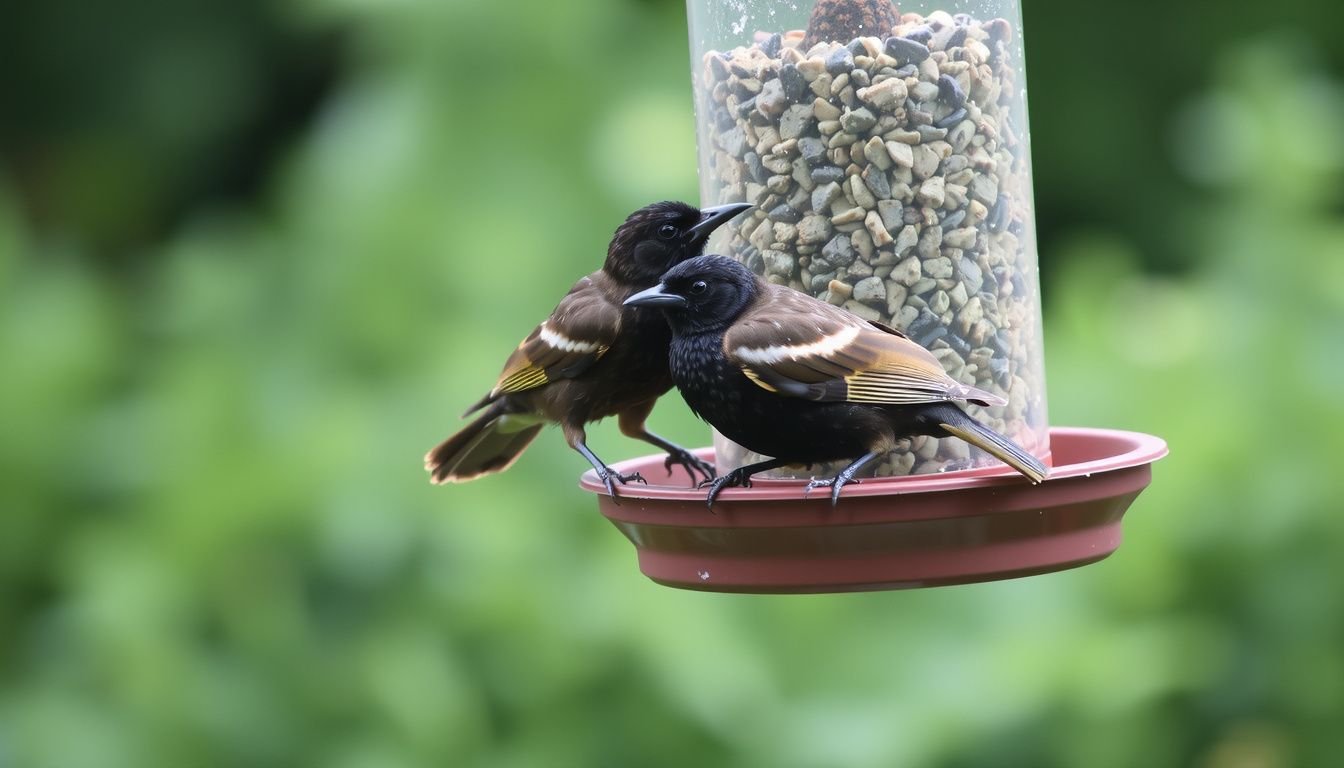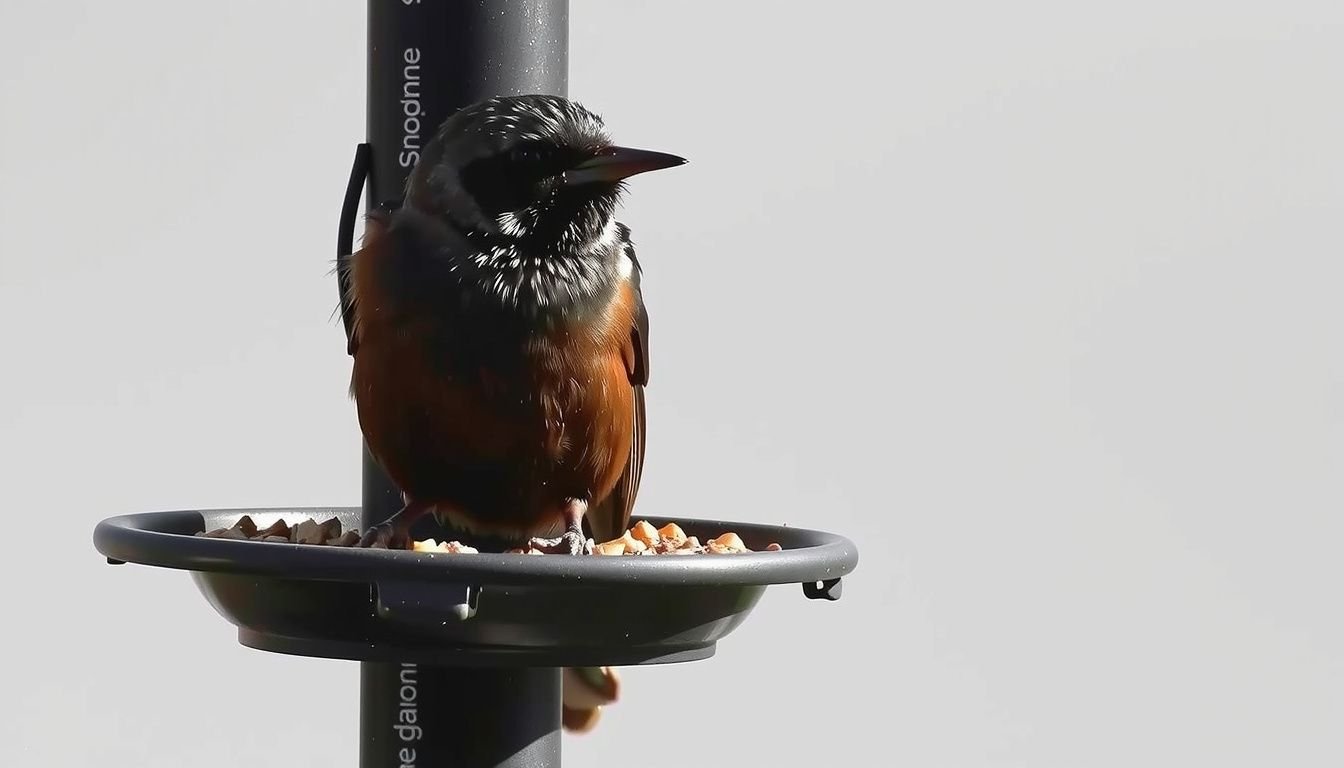
How to keep starlings away from bird feeders starts with understanding what they’re doing and why. European starlings are bold, fast, and highly social, so one bird at a feeder can turn into a noisy flock within minutes. They often outcompete smaller songbirds, empty feeders quickly, and scatter seed across the ground, which can attract rodents.
Look, the goal isn’t to “win” in a single day. It’s to reduce starling access while keeping feeding safe and consistent for desired birds like chickadees, finches, nuthatches, and woodpeckers.
The most reliable approach combines three levers: feeder design, placement, and food choice. When those are tuned together, starlings typically move on to easier calories. The steps below walk through a practical setup that most households can implement in an afternoon, then refine over the next week.
Identify Starling Activity and Set a Clear Goal
They should confirm it’s starlings before changing anything. Starlings are medium-sized, short-tailed, and often appear glossy black with speckles; in groups, they move like a coordinated crowd. They’re also loud and persistent, returning to the same food source repeatedly.
They should set a measurable goal, not a vague hope. A good target is “reduce starling visits by 80% while keeping at least two feeders active for songbirds.” That keeps decisions focused and prevents overcorrecting in ways that block all birds.
- Observe timing: note the first arrival time and how long they stay.
- Count pressure: estimate flock size (1–5, 6–20, 20+).
- Track impact: measure seed loss per day and ground spill.
Common mistake: assuming one deterrent will fix everything. Starlings adapt quickly; layered changes work best.
Pro tip: take a quick phone photo of the birds and droppings under the feeder. It helps confirm the species and spot patterns.
Prepare the Setup Before You Start (Tools, Feeders, Seed)
They’ll move faster if supplies are ready first. The core idea is to offer foods starlings dislike and deliver them through feeders starlings can’t use easily. That means fewer open trays and fewer “easy perches.”
They should gather a few basic tools and materials so adjustments don’t stall mid-project.
- Hardware: pole baffle (squirrel-style), hook or pole system, measuring tape.
- Feeder options: caged tube feeder, weight-activated feeder, suet cage with starling guard.
- Seed: black oil sunflower, safflower, nyjer (thistle), striped sunflower (optional test).
They should also plan for cleanup. Starlings exploit spilled seed; reducing ground food reduces repeat visits.
Common mistake: buying “wild bird mix” with milo, cracked corn, and wheat. Those cheap fillers often feed starlings, grackles, and pigeons more than songbirds.
Pro tip: if they’re switching seed types, they should do it in two stages over 2–3 days to avoid a sudden drop in desired bird activity.
Install Starling-Resistant Feeders and Adjust Placement
They should start with physical access control. Starlings are strong perchers and prefer open feeding surfaces. The best results usually come from caged feeders (small birds slip through; starlings can’t) and weight-activated feeders (perches close under heavier birds).
Placement matters as much as the feeder. They should create a layout that’s harder for starlings to approach as a group and easier for small birds to dart in and out.
- Mount feeders on a pole with a baffle to reduce climbing and lingering.
- Hang feeders 10–12 feet from dense cover (shrubs/trees) to limit ambush risk, but still within quick escape distance for small birds.
- Separate feeders by 8–12 feet so a flock can’t dominate one “station.”
| Feeder Type | Why It Helps | Best For |
|---|---|---|
| Caged tube feeder | Limits access by body size | Finches, chickadees, nuthatches |
| Weight-activated feeder | Closes ports under heavier birds | Mixed songbirds; high starling pressure |
| Suet cage with starling guard | Blocks larger birds from suet | Woodpeckers, nuthatches |
Common mistake: using a large platform feeder “just for a while.” That often becomes the starling magnet that keeps the flock on-site.
Pro tip: if starlings are still landing, they should shorten perches or choose feeders with minimal perching surface.
Fine-Tune with Seed Choices, Timing, and Humane Deterrents
Once access is limited, they should make the food less attractive to starlings. Safflower is a strong starting point; many starlings avoid it, while cardinals and chickadees often accept it. Nyjer works well for finches and is usually low-interest for starlings.
They can also control “feeding windows.” Starlings tend to surge in the morning and late afternoon. If local songbirds are established, they may keep feeders fuller mid-day and reduce early-morning overflow that feeds flocks.
- Seed strategy: swap mixed seed for safflower and black oil sunflower; reserve suet for guarded cages.
- Humane deterrents: reflective tape placed 6–10 feet away, a motion-activated sprinkler for ground areas, and consistent spill cleanup.
- Reduce rewards: rake hulls and spilled seed every 1–2 days during heavy pressure.
Practical example: They replaced an open tray feeder with a caged tube feeder using safflower and sunflower hearts, then added a pole baffle. Within five days, starling visits dropped from 20+ birds to occasional fly-bys, while finches and chickadees fed normally.
Common mistake: relying on predator decoys alone. Starlings habituate quickly unless the deterrent changes position and is paired with food/feeder changes.
Common Questions
Do starlings avoid safflower seed?
Often, yes. Many starlings dislike safflower’s taste, while cardinals and several songbirds accept it. They should test a small bag first because local bird preferences can vary by season and region.
Will removing the feeder for a few days help?
It can break a pattern, especially if a flock has “claimed” the yard. They should remove easy-access feeders for 3–7 days, then restart with caged or weight-activated feeders and improved seed.
Are starlings protected, and can they be harmed?
In many areas, European starlings aren’t protected like native songbirds, but harming wildlife can still violate local rules. They should use humane exclusion and deterrence and check local regulations if uncertain.
Why are starlings still coming even with a cage?
They may be feeding on spills or using another nearby food source. They should tighten cleanup, remove platform feeders, and check cage spacing; openings must be small enough to block starling entry.
What’s the fastest change that makes a difference?
They should stop using mixed seed and open trays. Switching to safflower/nyjer in a starling-resistant feeder, plus cleaning up ground seed, usually reduces visits quickly because the payoff disappears.
Putting It Into Practice
They should start by confirming starling pressure, then set a specific reduction goal. Next, they’ll swap open feeders for caged or weight-activated models, install a pole baffle, and space feeding stations so flocks can’t dominate. After that, they’ll fine-tune food: safflower, nyjer, and guarded suet instead of cheap mixes.
The final step is consistency. They should clean spills, adjust placement if birds feel exposed, and rotate humane deterrents when pressure spikes. If starlings keep returning, it’s usually a sign that one “easy meal” remains—finding and removing that reward is what makes the system stick.
Related read: How to Keep Grackles Away from Bird Feeders Step-by-Step