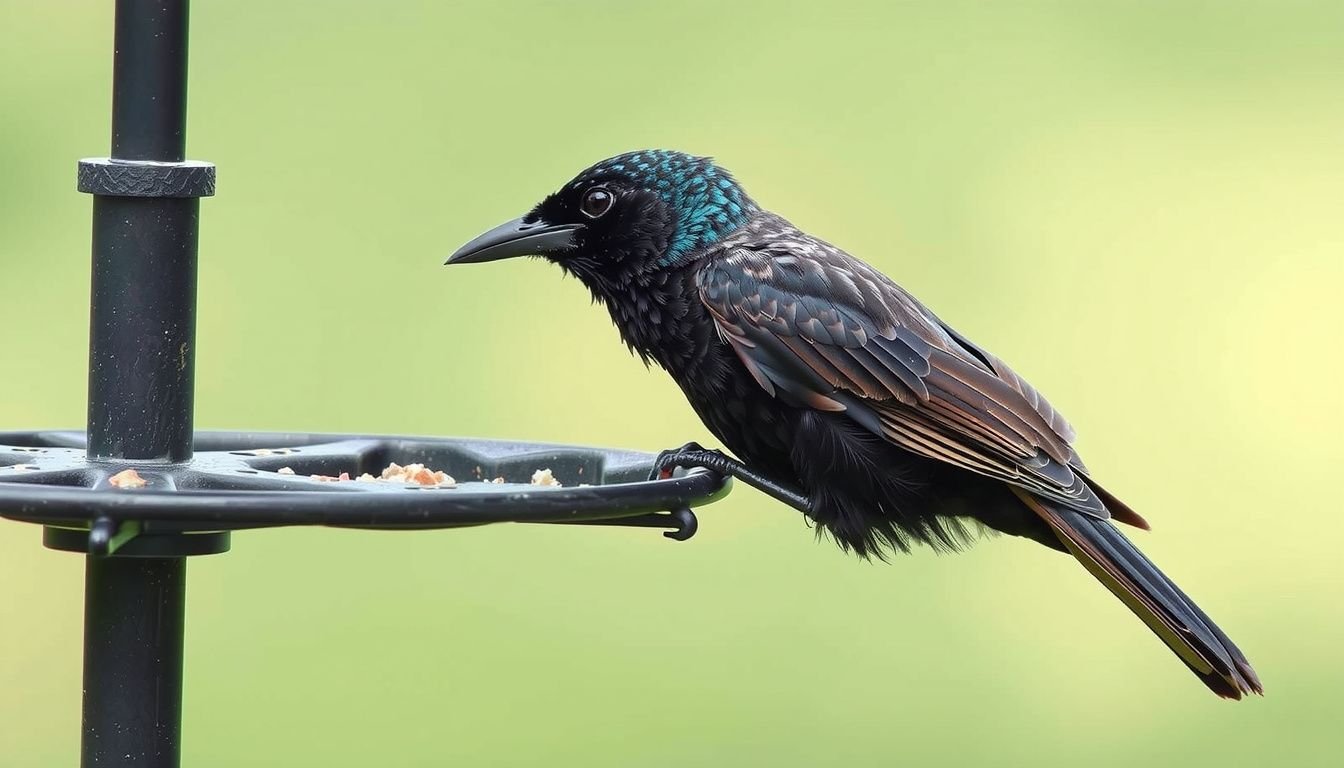
How to keep grackles away from bird feeders starts with understanding what’s pulling them in: easy calories, open access, and predictable routines. Grackles are smart, social, and persistent, so a single “scare tactic” rarely works for long. The goal isn’t to eliminate them from the neighborhood.
It’s to make the feeder less profitable for grackles while still welcoming smaller songbirds.
They often arrive in groups, dominate perches, and empty feeders fast. That creates stress for cardinals, chickadees, finches, and other desired visitors. A good plan uses three levers: feeder design, seed selection, and placement.
Look, small changes stack up quickly when they’re applied in the right order.
The steps below walk through identification, setup, hardware upgrades, feeding adjustments, and ongoing maintenance so the yard stays bird-friendly without becoming a grackle buffet.
Identify Grackle Activity and Set a Clear Goal
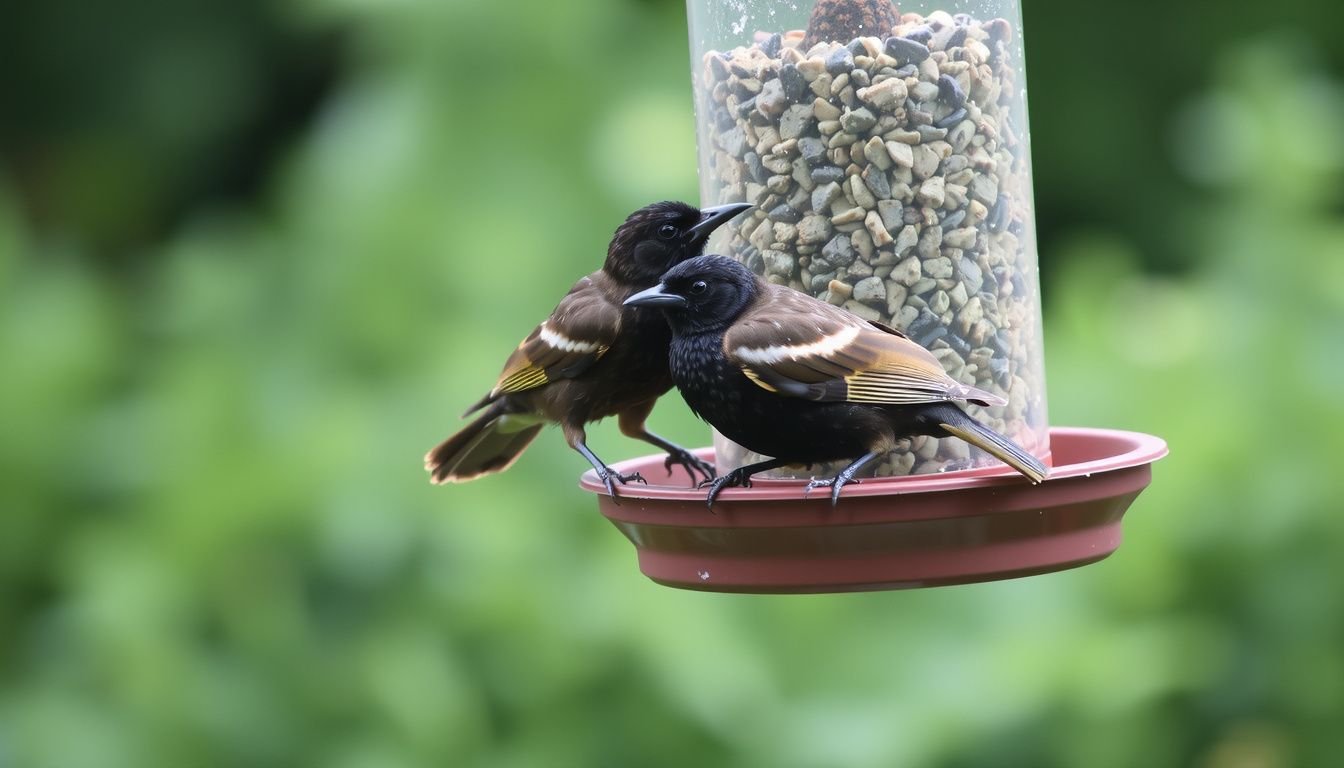
They should confirm it’s grackles, not starlings or cowbirds, because tactics overlap but aren’t identical. Grackles are larger, long-tailed, and often show glossy black or iridescent purple-blue tones. They’re loud, assertive, and tend to mob feeders in numbers.
Next, they should define a measurable goal. “Fewer grackles” is vague. Better goals are practical: reduce feeder drain by 50%, keep feeding windows under 20 minutes, or ensure small birds can feed daily without being displaced.
- Track patterns: note time of day, flock size, and which feeder they target.
- Identify pressure points: open trays and large perches are common magnets.
- Choose a priority species: finches, chickadees, nuthatches, or cardinals.
Common mistake: changing five things at once and not knowing what worked. They should adjust in phases and observe results for 3–7 days per change.
Before You Start: Gather Tools, Choose Seed, and Plan Placement
They’ll get better results if they prepare before swapping feeders or seed. A quick setup prevents half-fixes that grackles exploit. They should plan for easy cleaning too, since spilled seed attracts larger birds and rodents.
- Tools: step stool, gloves, mild soap, brush, and a small rake for hull cleanup.
- Hardware: pole baffle, S-hooks, zip ties, and a hanging scale (optional) to check feeder weight limits.
- Seed options: safflower, nyjer, and in-shell peanuts (used carefully) depending on target birds.
Placement matters. They should hang feeders 10–12 feet from dense cover (so small birds can retreat) but not directly over shrubs where grackles can stage. Keep feeders 5–6 feet high and away from flat “launch points” like deck rails.
Pro tip: plan one “mess zone” they can rake weekly. Less ground food means fewer repeat visits.
Switch to Grackle-Resistant Feeders and Add Physical Barriers
Feeder design is the fastest lever. Grackles prefer easy landings and wide access. They struggle more with small perches, weight-activated ports, and feeders that limit how they can cling.
| Feeder/Barrier | Why It Helps | Watch Out For |
|---|---|---|
| Weight-activated tube feeder | Closes ports under heavier birds | Must be calibrated; rain can add weight |
| Cage (clinger) feeder | Small birds slip through; grackles can’t | Needs enough interior clearance for cardinals if desired |
| Pole baffle | Stops climbing and reduces crowding | Must be mounted at correct height and distance from jump points |
They should pair a resistant feeder with a physical barrier. A pole-mounted setup with a baffle and no nearby “jump” surfaces cuts access dramatically.
- Use short perches or no-perch ports for finches.
- Add a seed catcher only if it’s easy to empty; otherwise it becomes a buffet.
- Space feeders out so a flock can’t dominate one station.
Common mistake: hanging a “squirrel-proof” feeder from a branch. Grackles still perch and feed comfortably.
Change Seed and Feeding Habits to Reduce Grackle Interest
Grackles are opportunistic. They’ll keep returning if the menu is high-reward. They should shift to seeds that smaller birds like but grackles often ignore or tolerate poorly.
- Safflower: favored by cardinals; many grackles eat less of it.
- Nyjer (thistle): strong for goldfinches; use in a finch-only feeder.
- Sunflower strategy: if using sunflower, try striped in a weight-activated feeder rather than open trays.
They should also change feeding habits. Predictability trains flocks. A controlled schedule reduces “all-day access.”
- Put feeders out after the morning rush (often mid-morning).
- Offer smaller amounts that are consumed in 20–30 minutes.
- Remove or close feeders for a few hours if a flock arrives.
Practical example: A homeowner switched from a tray feeder with mixed seed to a caged safflower feeder plus a nyjer sock. Within a week, grackle visits dropped from daily mobs to brief check-ins, while cardinals and finches fed consistently.
Install Deterrents and Maintain the Setup for Long-Term Control
Deterrents work best as “support,” not the main strategy. Grackles habituate quickly, so they should rotate deterrents and keep the feeding station clean. The objective is friction: make the area inconvenient and unrewarding.
- Visual movement: reflective ribbon or a spinning pinwheel placed near (not on) the feeder.
- Sound (limited use): occasional noise can disperse a flock, but constant sound becomes background.
- Water management: avoid ground puddles; keep birdbaths clean and shallow.
Maintenance seals the deal. They should rake hulls and spilled seed weekly, wash feeders every 2–4 weeks, and inspect baffles and hang points for new “jump routes.”
Common mistake: letting seed accumulate under feeders. That creates a second feeding station that’s easier for grackles than any “resistant” feeder.
Frequently Asked Questions
Will grackles stop coming if the feeder is moved?
Moving a feeder 10–20 feet can disrupt a routine, but it rarely fixes the root cause. They’ll return if the food is still easy. Relocation works best paired with seed changes and a resistant feeder.
Does safflower seed always deter grackles?
No. Some grackles learn to eat it, especially when other food is scarce. It usually reduces interest, not eliminates it.
They’ll get better results by combining safflower with a caged or weight-activated feeder.
Are grackles protected, and can they be harmed?
Rules vary by location. In many areas, they’re protected under migratory bird laws, limiting lethal control. They should focus on non-harmful exclusion: feeder design, baffles, seed choice, and clean-up.
Why do grackles suddenly show up in large numbers?
Seasonal flocking, nearby nesting cycles, and local food changes can trigger surges. A neighbor’s open feeding or spilled grain can also pull them in. They should respond with tighter feeding windows and reduced spillage.
What to Do Now
They should start with one fast win: remove tray feeders and switch to a grackle-resistant option (caged or weight-activated) on a pole with a baffle. Next, they should change the menu to safflower for cardinals and nyjer for finches, then reduce feed volume so food is gone within 30 minutes.
After three to seven days, they should review what changed: flock size, feeder drain, and how often small birds feed undisturbed. If grackles still dominate, they should tighten placement (farther from jump points), rotate a simple visual deterrent, and increase weekly ground cleanup. Consistency beats gimmicks, and the yard will stay productive for the birds they actually want.
Related read: How to Keep Black Birds Away From Feeders Step-by-Step