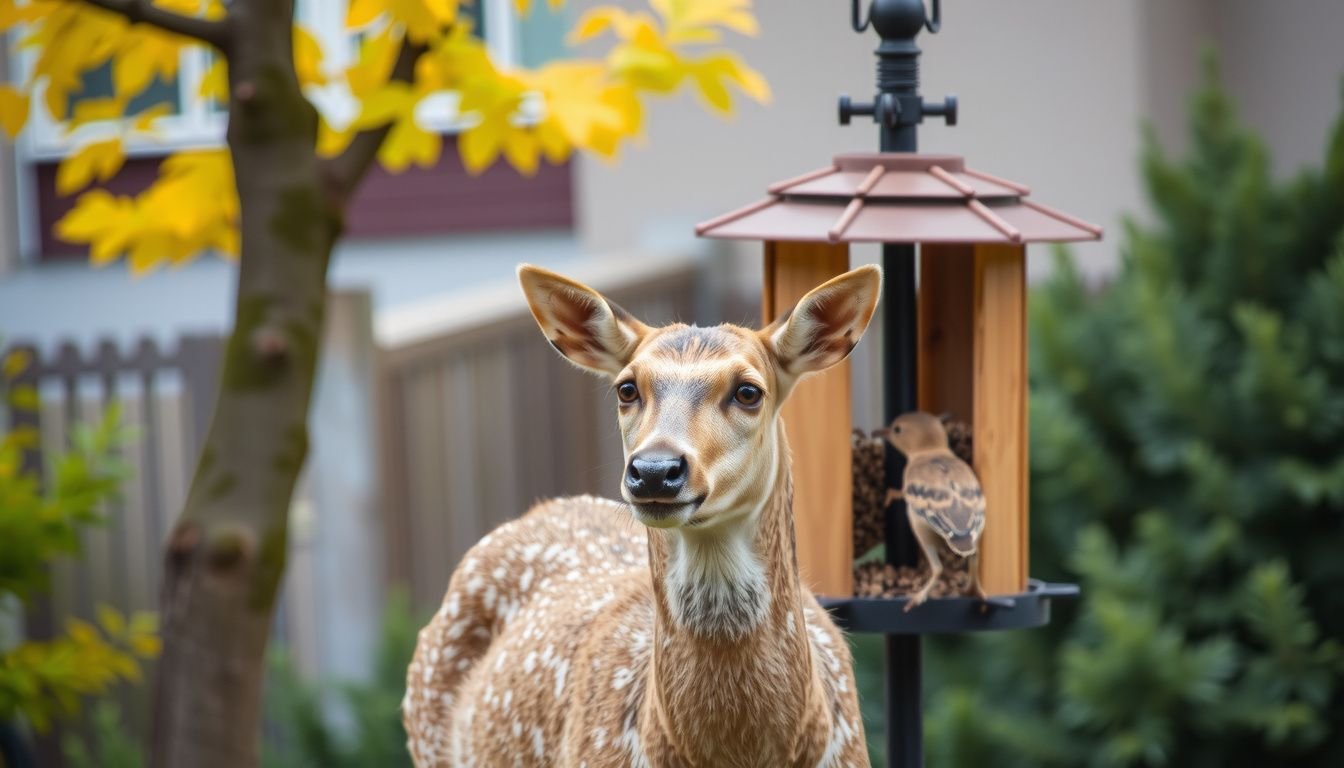
Anyone searching for how to keep deer away from bird feeders is likely frustrated by persistent wildlife raiding their backyard setups. Deer can easily empty bird feeders, destroy landscaping, and disrupt the natural balance intended for songbirds. Effective deer deterrence requires a mix of smart placement, physical and sensory barriers, and ongoing vigilance.
Homeowners, bird enthusiasts, and property managers can follow a systematic approach to safeguard their bird feeders without causing harm to deer or birds. This guide unpacks practical steps, starting with identifying the scale of the problem, followed by proven solutions like fencing, repellents, and strategic maintenance. Look for real-world tips, including a case where a family in upstate New York successfully reduced deer intrusions using a combination of motion-activated lights and elevated feeder placement.
Let’s get started with the first step: sizing up the actual challenge in your yard.
Assess the Deer Problem Around Your Bird Feeders
Begin by observing deer activity near your feeders. Are deer visiting daily or only when food is scarce? Track patterns by checking for hoof prints, droppings, or chewed plants and feeder damage.
Record the following for a week:
- Frequency and time of deer visits
- Entry points into your yard
- Any other wildlife affected
These notes help tailor deterrence methods. For example, if deer visit at dusk, timing lights or repellents for evening hours works best. Don’t ignore subtle signs—a single sighting can mean more deer are coming at night.
Pro tip: Use a trail camera for objective evidence and to spot repeat offenders.
Gather Essential Materials and Tools for Deterrence
Having the right supplies streamlines setup and boosts success. Most homeowners will need:
- Sturdy fencing (wire mesh or plastic garden fencing)
- Deer-safe spray repellents
- Motion-activated lights or sprinklers
- Metal poles or shepherd hooks for feeder elevation
- Zip ties, mallet, and basic gardening tools
Check local hardware stores or garden centers for these items. Prioritize safety—choose repellents labeled non-toxic for pets and birds. For those in high-deer-density regions, investing in a combination of barriers and deterrents yields quicker results.
Choose the Right Location for Your Bird Feeders
Placement matters more than most realize. Install feeders at least 6-8 feet off the ground, using tall poles or tree branches out of easy reach. Avoid placing feeders near dense shrubbery or deer-accessible trails.
Ideal feeder spots:
- Close to the house, where human activity deters deer
- On open lawns with clear sight lines
- Far from garden beds or fruit trees that attract deer
Take a cue from a suburban homeowner who moved feeders closer to a patio. Deer visits dropped as birds thrived, thanks to the proximity to people and pets.
Install Physical Barriers to Block Deer Access
Physical barriers are among the most effective deterrents. Erect fencing at least 7-8 feet tall around feeder zones. Use wire mesh with small openings to prevent deer from pushing through.
- Enclose individual feeders with cylindrical wire cages
- Install angled fencing, which is harder for deer to leap
- For ground feeding, use raised platforms protected by fencing
Secure all connections tightly—deer are surprisingly persistent. Avoid flimsy plastic netting, which they can tear. For small yards, portable fence panels offer flexibility and quick setup.
Apply Safe Deer Repellents Around the Feeding Area
Deer have sensitive noses. Applying scent-based repellents makes feeding areas unattractive. Opt for products with garlic, putrescent egg solids, or capsaicin.
Always ensure repellents are safe for birds and pets—read labels carefully.
How to apply:
- Spray perimeter foliage, poles, and nearby ground cover
- Refresh after rain or every 7-10 days
- Rotate repellent brands periodically to prevent deer adaptation
Never spray repellent directly on feeders or seed. Some gardeners make homemade garlic-pepper sprays, but commercial brands are more consistent.
Use Motion-Activated Devices to Deter Deer
Tech-based deterrents startle deer and condition them to avoid the area. Motion-activated lights, sprinklers, or noise-makers can be installed near feeders. Position devices to cover likely deer entryways or feeder approaches.
Setup steps:
- Install devices at deer-height (3-4 feet)
- Test sensors to ensure proper activation range
- Adjust direction to minimize false triggers from wind or small birds
In one example, a motion-activated sprinkler cut deer visits in half overnight for a rural family. These devices require batteries or a hose connection but pay for themselves in reduced seed loss.
Maintain and Monitor Your Deer Deterrent Methods
Deer are adaptable—ongoing maintenance is critical. Inspect barriers weekly for gaps or damage. Reapply repellents as needed, especially after heavy rain.
Test motion devices monthly to ensure sensors and power sources are working.
Keep a log of any new deer activity. If deterrence weakens, rotate methods or combine tactics. For instance, switch repellent brands or move barriers to target new entry points.
Pro tip: Invite neighbors to participate. Coordinated efforts reduce the likelihood deer will simply move to the next yard.
Review Tips for Long-Term Deer Prevention Success
Consistency and adaptation are the keys to lasting results. Deer can quickly habituate to static deterrents, so change up methods every few months.
- Alternate between repellents and physical barriers
- Elevate feeders seasonally, especially during winter
- Trim back shrubs that can provide hiding spots
Educate household members about keeping gates closed and maintaining deterrents. Over time, deer will associate your yard with obstacles—not easy meals—helping preserve your bird feeders for their intended visitors.
People Also Ask
What smells keep deer away from bird feeders?
Deer dislike strong odors like garlic, hot pepper, and putrescent eggs. Use commercial repellents with these ingredients, applying them around—not on—bird feeders for best results.
Will hanging bird feeders higher prevent deer?
Yes, hanging feeders at least 6-8 feet above ground on tall poles or branches makes them inaccessible to most deer, especially if no jumpable surfaces are nearby.
Are motion-activated sprinklers effective against deer?
Motion-activated sprinklers reliably startle and repel deer. They’re most effective when positioned near feeder approaches and maintained regularly to ensure proper function.
What to Do Now
Start by mapping deer activity and gathering essential deterrence materials. Choose a strategic feeder location, then install physical barriers and motion-activated devices. Apply safe repellents routinely, and keep monitoring results.
Remember: Adaptation and consistency matter most. By following these steps, anyone can protect bird feeders while coexisting respectfully with local wildlife.