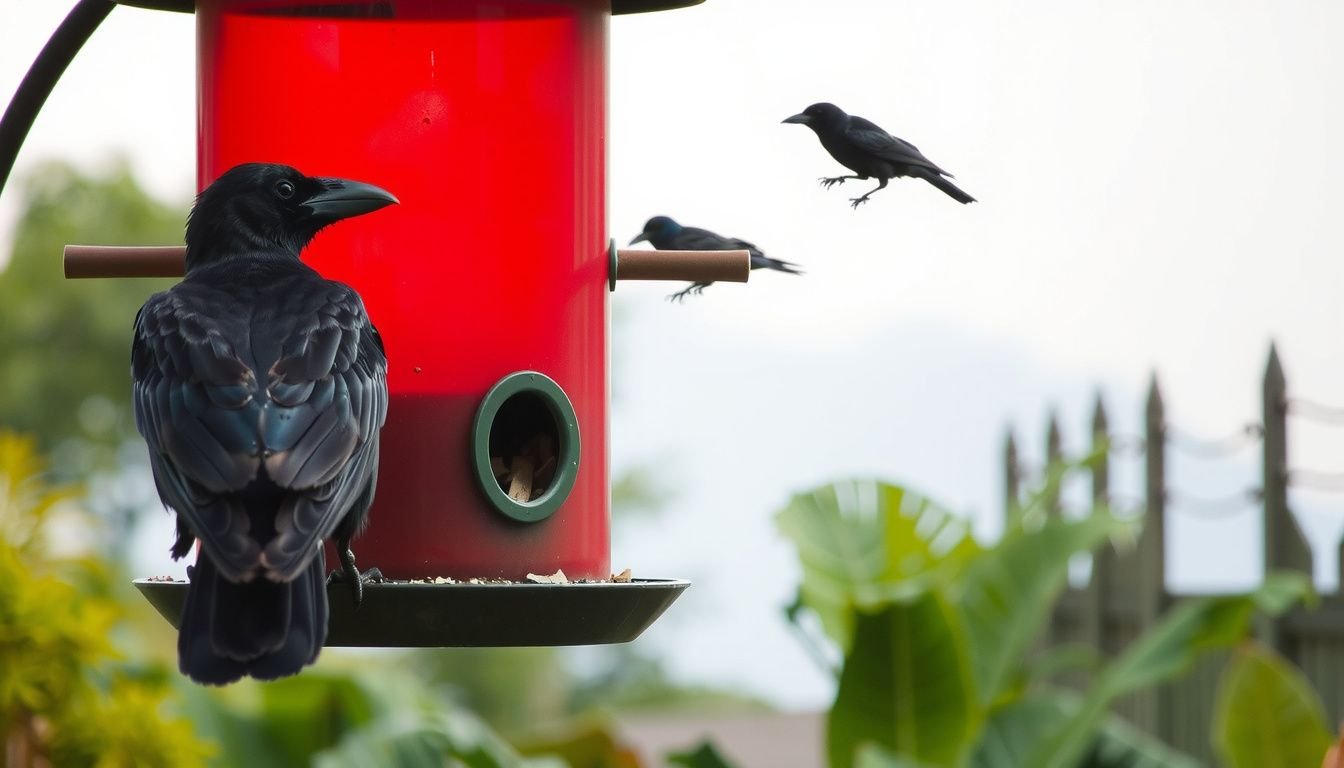
Anyone searching for how to keep crows off bird feeders knows the frustration of finding clever, persistent crows chasing away songbirds and emptying feeders within hours. Crows are highly intelligent, social, and resourceful, which can make them tough to deter. However, targeted strategies—ranging from feeder modifications to environmental changes—can tip the odds back in favor of smaller, desirable birds.
By understanding crow behavior and adapting the backyard setup accordingly, homeowners can successfully reduce crow visits and support a more diverse avian population. This guide walks through each phase, from identifying the problem’s scope to implementing proven deterrents. Here’s how a homeowner in Oregon, tired of crows dominating her platform feeder, managed to reclaim her yard for nuthatches and chickadees with a few simple changes.
Assess the Crow Problem and Bird Feeder Setup
Start with a careful assessment. Observe feeder activity at different times of day to determine how frequently crows visit and how they approach. Note which feeders are targeted—platform, tube, or suet types—and if the crows are coming alone or in groups.
Check feeder placement. Feeders close to open spaces or rooftops provide easy landing zones for crows. Also, evaluate visibility: are feeders easily seen from above?
Crow problems often intensify where food is easy to spot and access.
- Record crow visit times for pattern recognition.
- Photograph feeder setups to identify vulnerabilities.
- List feeder types in use and their locations.
Look, a homeowner noticed crows only visited after 8 am, so he adjusted feeding times to before sunrise with immediate results.
Identify and Remove Attractants for Crows
Crows are opportunistic. Any accessible food, trash, or water sources can draw them in. Scan the yard for open compost, pet food, scattered seed, or unsecured garbage cans.
Even fruit trees or unharvested garden produce can attract crows.
- Secure trash bins with tight-fitting lids.
- Clean up food spills under feeders daily.
- Remove fallen fruit and cover compost piles.
- Feed pets indoors or clear away leftovers promptly.
Seed blends with corn, peanuts, or bread are especially attractive to crows. Opt for smaller seeds like nyjer or sunflower chips, which appeal more to finches and less to crows.
Pro Tip: Even water features can bring in crows. Consider using shallow birdbaths with covers that only smaller birds can access.
Install Physical Barriers to Deter Crows
Physical deterrents create a mechanical advantage for smaller birds. Cages, domes, and baffles are effective at excluding larger birds like crows while allowing songbirds access. Choose feeder cages with mesh openings no larger than 1.5 inches.
- Install cage-style feeders specifically designed for chickadees, finches, and sparrows.
- Add baffles above and below feeders to prevent crows from perching or jumping onto them.
- Use dome covers to block aerial access.
Position feeders near dense shrubs or trees to make landing more difficult for large birds. Suspend feeders on thin wires rather than solid poles, as crows struggle to balance on unstable surfaces.
Common Mistake: Using open platform feeders without covers or cages invites crows to feast freely.
Use Decoys and Visual Deterrents Effectively
Visual deterrents can disrupt a crow’s sense of safety. Movement and unpredictability are key. Install reflective tape, spinning pinwheels, or old CDs near feeders—anything that flashes or moves in the wind.
- Hang reflective streamers from nearby branches.
- Place plastic owl or hawk decoys within sight of feeders, but move them every few days.
- Try hanging mobiles or wind chimes to introduce unfamiliar motion.
For best results, change visual deterrents every week. Crows quickly learn which threats are fake if they remain static. If possible, combine visual cues with occasional loud noises (like clapping or playing distress calls) to increase effectiveness.
Pro Tip: Avoid stationary decoys for more than a week—crows are quick to adapt.
Modify Feeding Practices to Exclude Crows
Adjust how and when food is offered. Feed smaller portions at dawn or dusk, when crows are less active but songbirds are present. Remove feeders after morning feeding sessions to limit crow access.
- Switch to feeder types difficult for crows, such as upside-down suet feeders or weight-sensitive feeders that close under heavier birds.
- Offer seed blends unattractive to crows—think nyjer or safflower seeds.
- Feed in short windows (15–30 minutes), then take feeders down.
If crows still arrive, skip feeding for a day or two. This teaches them unpredictability and often motivates them to move on in search of easier meals.
Example: In a suburban neighborhood, a resident switched from open trays to weight-activated tube feeders and saw crow visits drop by 90% within a week.
Monitor Results and Adjust Deterrent Methods
Consistent monitoring is essential. Keep a log of crow sightings, feeder usage, and songbird activity. If crows adapt to one method, rotate deterrents or combine strategies for greater effectiveness.
- Review logs weekly to spot patterns or improvements.
- Reposition deterrents if crows return to old habits.
- Solicit feedback from neighbors—crow deterrence is more effective when coordinated.
Remember, no single method is universally foolproof. Crows are quick learners, so flexibility and persistence are vital. Over time, most homeowners find the right combination that reduces crow visits and restores balance to their backyard birdwatching.
What Readers Ask
Can I legally harm or remove crows from my property?
No, crows are protected under the Migratory Bird Treaty Act. Only non-lethal deterrence methods are allowed without special permits.
Will deterrents scare away all birds from my feeder?
Not if chosen carefully. Use barriers and seeds that target crows’ size and preferences. Most songbirds will still access feeders, especially with cage or weight-sensitive designs.
How long before crows stop coming back?
Results vary, but most homeowners see reduced visits within 1–2 weeks of consistently applying deterrents and modifying feeding routines.
What to Do Now
Begin by observing your feeder area and documenting crow activity. Remove obvious attractants and install physical barriers or deterrents tailored to your yard. Test different seed types and feeding times for best results.
Stay flexible—rotate visual deterrents and adjust practices if crows adapt. With patience and persistence, most homeowners reclaim their feeders for small songbirds while keeping crows at bay. For ongoing success, keep a log and coordinate with neighbors for a community-wide approach.
Related read: How to Keep Crows Away From Bird Feeders Step-by-Step