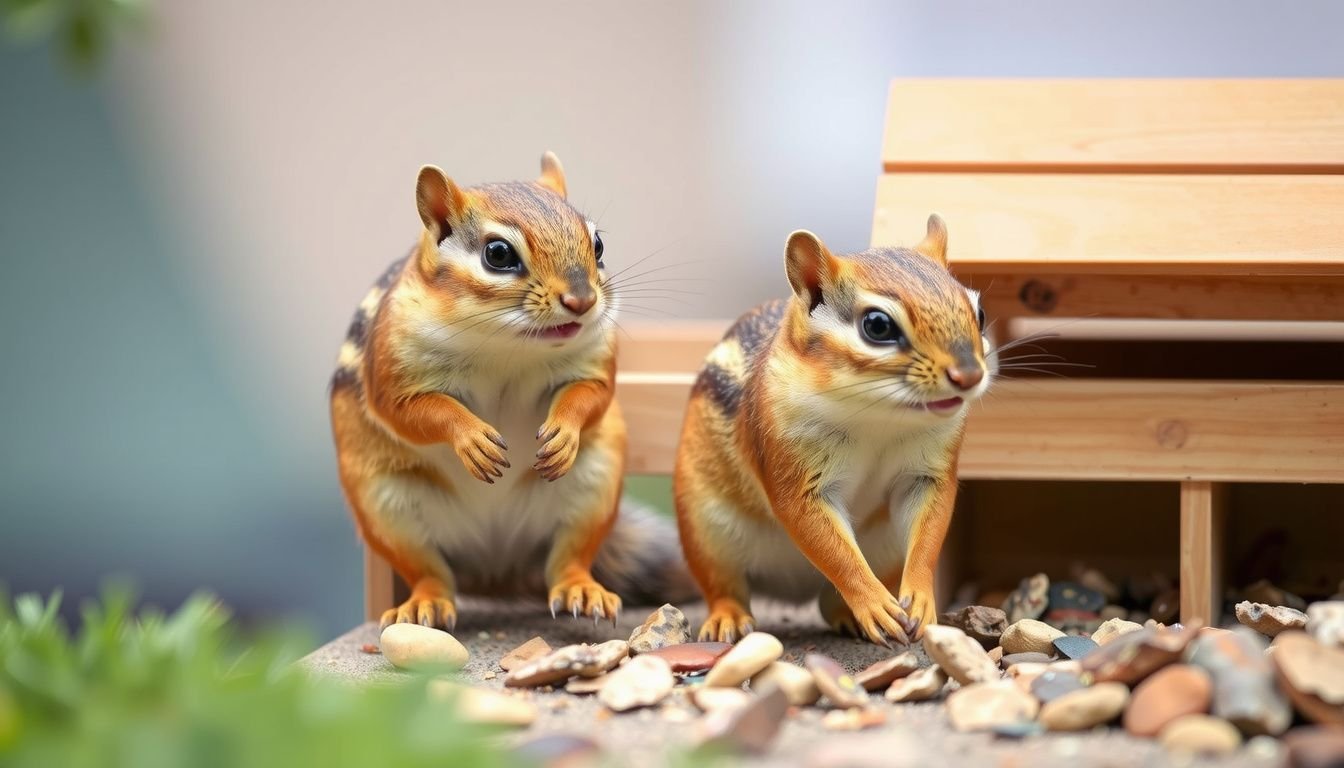
How to keep chipmunks out of bird feeders starts with understanding why they show up: easy calories, cover nearby, and predictable feeding times. Chipmunks don’t usually “steal” from birds out of spite; they exploit access points people accidentally provide. The fix is rarely one gadget.
It’s a simple system: placement, hardware, and cleanup.
They’re persistent and agile, but they aren’t great jumpers compared to squirrels. That’s good news. When feeders are positioned correctly and paired with a baffle, chipmunks often give up quickly and switch to natural forage.
Look, the goal isn’t to harm wildlife. It’s to keep seed available for birds while reducing ground feeding that attracts rodents. The steps below walk through an effective, repeatable setup most homeowners can install in one afternoon.
Assess the Setup and Gather Supplies Before You Start
They should begin by inspecting the current feeder area for “chipmunk highways.” Common routes include low branches, stacked firewood, stone borders, decks, and dense shrubs within a short dash of the feeder. A quick site check prevents wasted purchases.
Next, they should gather supplies based on the mounting style. A pole-mounted system is easiest to defend, while hanging feeders need smarter placement. A basic kit typically includes:
- Measuring tape (for distances and height)
- Shepherd’s hook or dedicated feeder pole (sturdy, metal preferred)
- Baffle (cone or cylinder, sized for the pole)
- Seed tray or catch pan (optional, reduces spillage)
- Rake and bucket (for cleanup and hull removal)
Pro tip: They should choose a calm weather day; wind makes baffle installation frustrating. Common mistake: Buying a baffle first, then realizing the pole diameter doesn’t match.
Reposition Feeders to Remove Chipmunk Access Routes
They should reposition the feeder to eliminate jump and climb assists. Chipmunks typically reach feeders by climbing nearby structures or making short hops from low surfaces. A few inches can decide whether the setup is “free food” or “not worth it.”
Use these placement targets as a baseline:
- Mount the feeder at least 5–6 feet high on a smooth pole.
- Keep the feeder 8–10 feet away from shrubs, stacked items, and low branches.
- Avoid placing feeders over retaining walls, planters, or decks that act like launch pads.
| Placement Factor | Recommended Target | Why It Works |
|---|---|---|
| Feeder height | 5–6 ft | Harder to access from ground and reduces easy climbs |
| Clearance from cover | 8–10 ft | Removes jumping routes and reduces “dash-to-safety” comfort |
| Pole surface | Smooth metal | Limits grip compared to wood or textured poles |
Pro tip: If space is tight, they should prioritize distance from shrubs first. Common mistake: Hanging a feeder from a low limb; chipmunks can climb the trunk and walk out.
Install Baffles and Choose Chipmunk-Resistant Feeder Hardware
They should treat a baffle as non-negotiable when chipmunks are active. A properly installed baffle blocks climbing access, which is the most common route. Cone baffles work well on poles; cylinder baffles can be better on shepherd’s hooks when installed correctly.
Installation steps should follow a simple order:
- Confirm pole diameter and baffle compatibility.
- Mount the baffle 4–5 feet above ground so chipmunks can’t jump over it.
- Keep the feeder 12–18 inches above the baffle to prevent reach-arounds.
Hardware choices matter. They should prefer weight-activated feeders or models with short perches and tight ports. If chipmunks are chewing plastic, they should switch to metal components.
Pro tip: A larger baffle diameter (often 15–18 inches) increases success. Common mistake: Placing the baffle too low; chipmunks can sometimes jump and grab the pole above it.
Reduce Ground Attraction With Seed Control and Ongoing Maintenance
They should assume that spilled seed is the main “advertisement” for chipmunks. Even if the feeder is defended, the ground buffet keeps them returning, and they’ll keep testing the setup. Maintenance turns a temporary fix into a lasting one.
Seed control actions that work:
- Switch to no-mess options like hulled sunflower hearts or shelled peanuts (where appropriate).
- Use a seed tray only if it’s easy to clean and doesn’t overflow.
- Rake or blow clear hulls and spilled seed 2–3 times per week during heavy feeding.
- Store seed in sealed metal containers to avoid attracting rodents near the feeding station.
Practical example: A homeowner moved a feeder from a deck rail to a smooth pole 9 feet from shrubs, added a 16-inch cone baffle at 4.5 feet, and switched to sunflower hearts. Within a week, chipmunk visits dropped to near zero because there was no easy climb and no ground spill.
Pro tip: They should feed smaller amounts more often to reduce waste. Common mistake: Letting wet seed accumulate; it molds and still attracts scavengers.
Frequently Asked Questions
Will cayenne pepper or hot seed stop chipmunks?
It can reduce interest, but results vary. Some chipmunks tolerate it, and rain washes it off. They should use it only as a minor layer, not the primary strategy.
Do squirrel-proof feeders work for chipmunks too?
Sometimes. Weight-activated mechanisms may not trigger for lighter chipmunks. They should pair any “squirrel-proof” feeder with proper placement and a baffle for consistent results.
Is it okay to feed chipmunks away from the feeder to distract them?
It usually backfires by increasing local chipmunk numbers and daily visits. If they want fewer chipmunks at feeders, they should remove easy food sources rather than create new ones.
How far can chipmunks jump to reach a feeder?
They’re not elite jumpers like squirrels, but they can hop onto low platforms and climb well. Keeping feeders 8–10 feet from cover and using a baffle blocks most real-world access attempts.
What if chipmunks are climbing the pole anyway?
They should check for textured poles, nearby objects touching the pole, or a baffle installed too low. A smooth metal pole plus a correctly positioned, wide baffle typically solves the problem.
Next Steps
They should start by measuring clearance and moving the feeder away from shrubs, decks, and stacked items. Next, they should install a correctly sized baffle on a smooth pole and verify the baffle sits high enough to prevent jump-overs. Then they should switch to lower-waste seed and commit to quick, frequent cleanup.
If chipmunks still appear after a week, they should re-check for new access routes, especially seasonal branch growth and shifted outdoor furniture. Small adjustments compound, and once the station stops paying off, chipmunks usually move on.