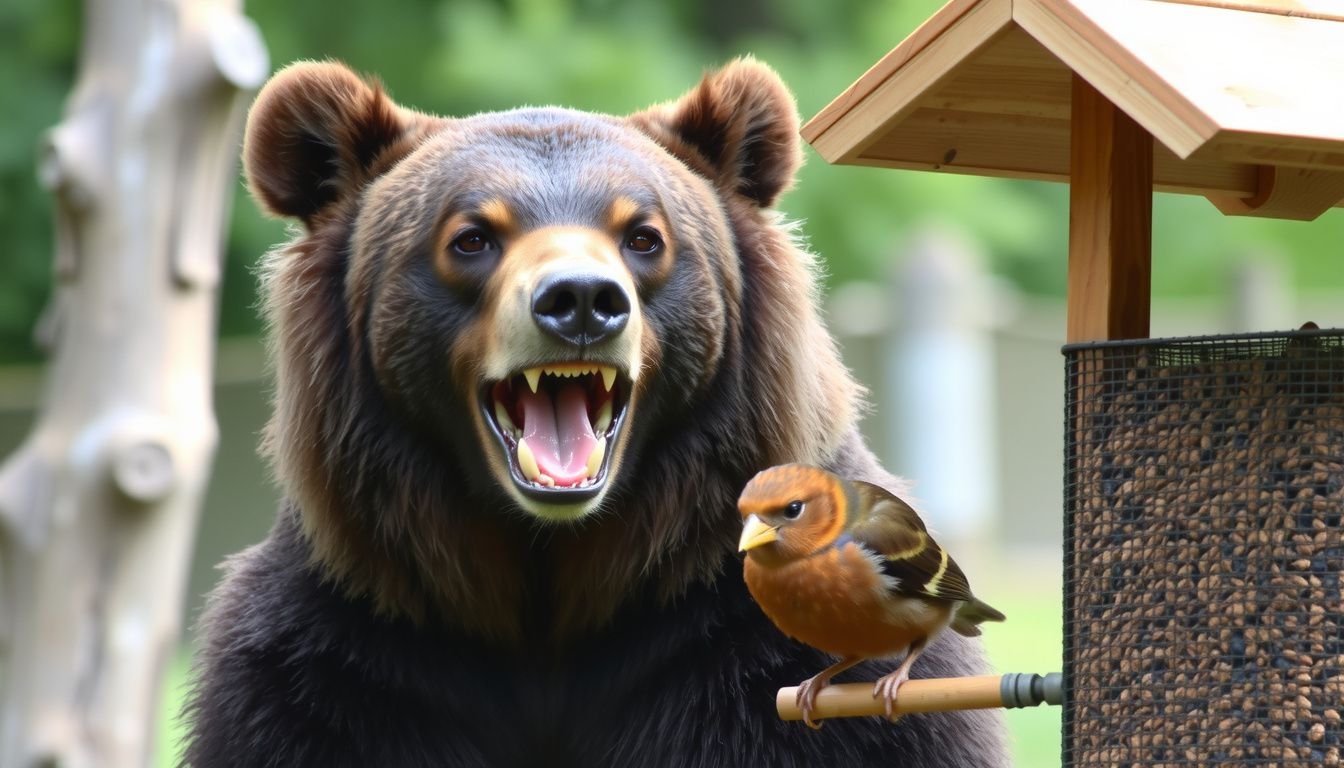
Wondering how to keep bears away from bird feeders? With bear populations rising and urban boundaries shrinking, encounters are becoming more common. Bird feeders can attract bears from miles away, turning peaceful yards into unexpected wildlife hotspots.
Effective prevention requires understanding bear behavior, making smart equipment choices, and staying vigilant. This guide delivers actionable steps for homeowners who love birds but want to avoid unwanted visitors. With the right approach, one can enjoy birdwatching without putting wildlife or property at risk.
Take, for example, a Vermont homeowner who swapped a standard feeder for a bear-resistant model and used scent control—resulting in a full season with no bear incidents. Use these strategies to protect both backyard birds and local bears.
Assess Bear Activity in Your Area
Start by researching local bear populations. Check state wildlife agency websites and neighborhood social media groups for recent sightings. Map any reported bear routes or habitual areas.
Knowing when bears are most active—typically spring and fall—helps time your prevention efforts.
Walk your property for signs of bear visits: trampled grass, claw marks, or scat. Ask neighbors about their experiences, and keep a log of any incidents. This information guides both feeder placement and the intensity of your deterrent measures.
- Pro Tip: Contact local animal control for up-to-date alerts.
- Common Mistake: Ignoring bear activity reports, assuming “it won’t happen here.”
Gather Necessary Supplies and Tools
Having the right supplies is crucial. Secure these items before installing any feeders:
- Bear-resistant bird feeder (metal or composite construction)
- Sturdy mounting poles, preferably steel
- Seed storage containers with locking lids
- Trash bags for immediate cleanup
- Gloves for safe handling and scent control
- Cable or pulley systems for elevated placement
Review included manuals and measure your installation site. Test all fasteners and locks before use.
Pro Tip: Borrow tools from neighbors or a local library tool-lending program to save costs.
Install Bear-Resistant Bird Feeder Systems
Choose feeders made to withstand force. Look for models with locking mechanisms or cages around seed ports. Mount feeders on steel poles at least 10 feet from trees or structures, and ensure they’re 8 feet off the ground.
- Assemble the feeder according to the manufacturer’s directions.
- Install a baffle (a metal or plastic disk) below the feeder to prevent climbing.
- Secure the pole at least 2 feet deep in the ground for stability.
Test the system’s sturdiness by applying pressure—if it wobbles, reinforce it. Some users use pulley systems to raise feeders out of a bear’s reach overnight.
Common Mistake: Using plastic feeders or wooden posts, which bears can easily destroy.
Position Feeders Strategically to Deter Bears
Feeder placement is as important as feeder type. Avoid placing feeders near trees, fences, or decks that bears can use to climb or leap. Maintain a 10-foot clearing around each feeder.
Place feeders in high-visibility locations, preferably where they can be monitored from inside the house. Consider using a motion-activated light or alarm to deter nocturnal visits.
- Pro Tip: Rotate feeder locations every few weeks to disrupt bear patterns.
- Common Mistake: Installing feeders near woodpiles or compost bins, which attract bears.
Use Bear-Proof Seed Storage and Disposal Methods
Store birdseed in airtight, bear-proof containers made of metal or hard plastic with locking lids. Keep containers indoors or in a sturdy shed, never on a porch or in a garage with weak doors.
Clean up spilled seed immediately. Dispose of old seed or hulls in sealed trash bags, and place bins out only on collection day. Double-bag waste for extra odor control.
- Pro Tip: Avoid suet and sweetened blends, which are more attractive to bears.
Common Mistake: Leaving bags of seed outside, even briefly, which can draw bears.
Implement Scent Control Techniques
Bears have powerful noses—minimize attractants. Wear gloves when handling feeders and seed to avoid transferring food smells. Wash feeders with unscented soap every week, and rinse thoroughly.
After refilling, spray feeder poles and surrounding ground with a 10% bleach solution to mask lingering odors. Avoid using fruit-scented cleaning products, which can have the opposite effect.
- Pro Tip: Sprinkle a small amount of ammonia around feeder bases as a scent deterrent.
Common Mistake: Using perfumes or scented lotions before handling feeders.
Monitor and Maintain Feeder Areas Regularly
Inspect feeders daily for damage or tampering. Look for tracks, scat, or chewed components. Use a trail camera to monitor nighttime activity if bear visits are suspected.
Remove feeders promptly if bears are sighted nearby, especially during spring and fall when activity peaks. Sweep the area for spilled seed and sanitize as needed.
- Pro Tip: Schedule a weekly “feeder check” on your phone calendar.
- Common Mistake: Leaving feeders up after a bear sighting, risking property damage and habituation.
Educate Household Members and Neighbors
Prevention works best as a community effort. Hold a quick family meeting to review rules on feeder use and emergency protocols if a bear is spotted. Share resources and tips with neighbors.
Encourage others to report bear sightings and to secure their own attractants. Consider a neighborhood watch group focused on wildlife safety.
- Pro Tip: Post reminder signs at home exits during high-risk months.
- Common Mistake: Assuming everyone knows the rules—clear, regular reminders are key.
People Also Ask
What time of year are bears most likely to visit bird feeders?
Bears typically seek easy food sources in spring and fall, coinciding with natural food shortages and hyperphagia. Remove feeders during these peak activity periods for best results.
Can using hot pepper bird seed deter bears?
No. Bears are not deterred by capsaicin; hot pepper seed works for squirrels but not for bears. Physical barriers and scent control remain the best options.
Should bird feeders be taken down at night?
Yes. Bears are most active at dusk and overnight. Bring feeders indoors each evening or use pulley systems to raise them out of reach until morning.
You’re Ready
Following these steps empowers anyone to enjoy backyard birdwatching without attracting bears. Start by assessing local activity, invest in proper equipment, and stay proactive about scent and maintenance. Remember, the best defense is consistency—vigilant routines protect people, birds, and bears alike.
Share these strategies with neighbors for a safer, wildlife-friendly community. Now, take action: review your setup today and make your property a bear-safe haven for birds.
Related read: How to Make Pine Cone Bird Feeders Step-by-Step at Home