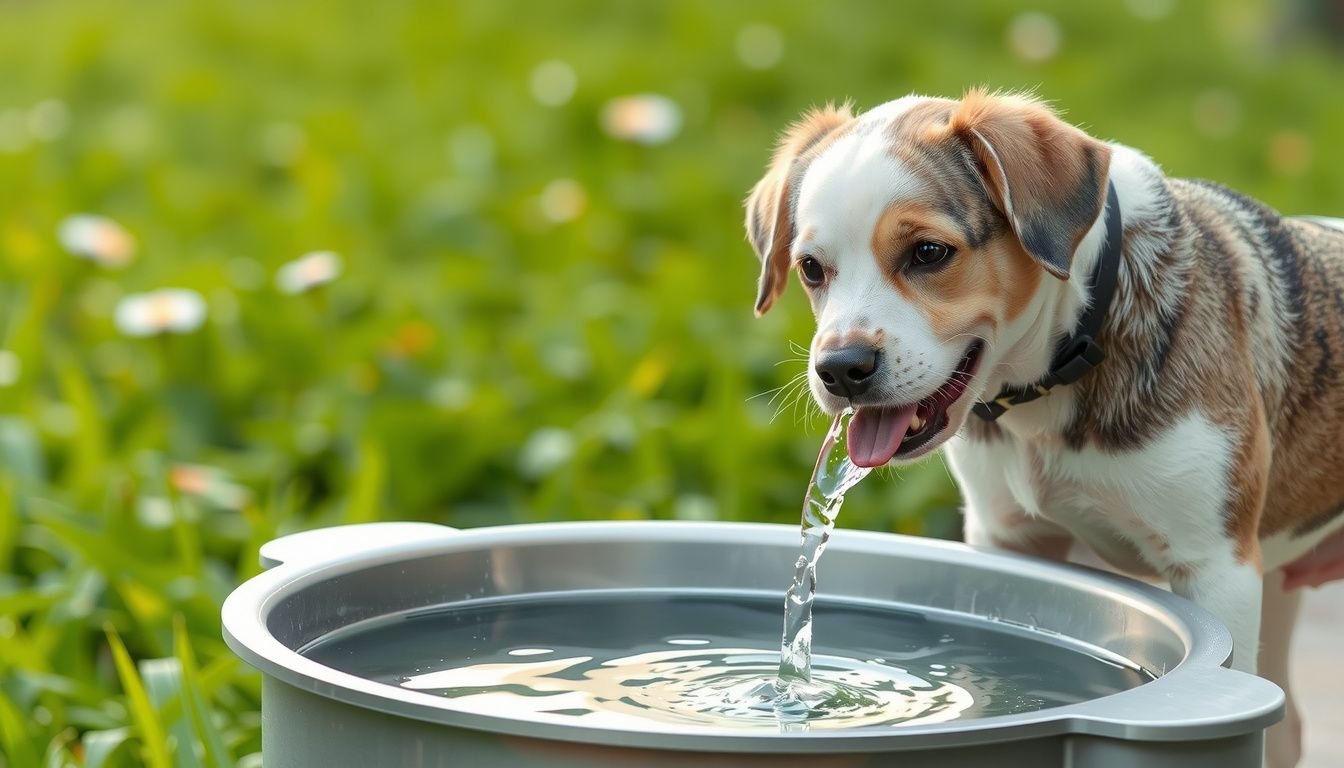
How often to clean dog water fountain is one of those questions that sounds picky until a dog starts turning their nose up at the bowl. Clean, fresh water is basic care, but fountains add pumps, filters, and hidden corners where grime can build fast.
Look, a fountain can stay “looking fine” while still collecting biofilm, hair, and mineral scale inside the reservoir. That buildup can affect taste, slow water flow, and create the kind of funky smell that makes a dog drink less.
Pet care pros and veterinary guidance consistently point to routine washing as a simple way to cut down on bacteria and keep hydration reliable. A good rule is to match cleaning frequency to real-life factors like how many pets use it, the water hardness, and how warm the room stays.
As a practical example, if they notice their dog’s fountain gets slimy around the spout by day three, they’ll do a quick wash midweek instead of waiting for the weekend. They’ll also watch for these common “clean me” signals:
- Cloudy water or floating debris
- Slippery film on plastic or stainless surfaces
- Reduced flow or pump noise
- Odor near the basin
Next, they’ll get a clear, beginner-friendly schedule for daily, weekly, and monthly cleaning—plus what to do with filters—so the fountain stays safe, quiet, and inviting. If they want fewer variables, they can start with a weekly deep clean and adjust based on what they see.
Why Cleaning Frequency Matters for Dog Water Fountains
Now, here’s where the “how often” question becomes practical. A dog water fountain constantly circulates water, but it also constantly collects what a dog brings to it.
Cleaning frequency matters because biofilm can form fast. That slippery layer isn’t just “gross”—it can shelter bacteria and make the fountain smell off, which can reduce drinking. Less drinking can raise dehydration risk, especially for puppies, seniors, and dogs eating dry kibble.
Fountains also trap debris in places owners don’t always see. Common contributors include:
- Saliva and food particles after meals
- Dust, hair, and dander from the home
- Mineral buildup from hard water on pumps and bowls
There’s a real-world angle, too. A dog that suddenly paws at the fountain, hesitates to drink, or seeks puddles may be reacting to taste or odor changes caused by buildup rather than “being picky.”
Practical example: if a household has two dogs sharing one fountain near the kitchen, splash-back and crumbs can spike quickly. In that setup, a rinse-and-wipe routine prevents gunk from hardening and keeps the pump running quietly.
How Often to Clean a Dog Water Fountain: Quick Schedule by Task
Look, the best answer to how often to clean dog water fountain is a task-based schedule. It separates quick daily habits from deeper cleaning that protects the pump and filter.
Use this simple routine as a baseline, then tighten it if the home has multiple pets, heavy shedding, or hard water.

- Daily: Dump and refill with fresh water; quick wipe of the drinking surface.
- Every 2–3 days: Rinse bowl and lid; remove visible hair; check water level and flow.
- Weekly: Wash all removable parts with dish soap; scrub crevices; rinse thoroughly.
- Every 2–4 weeks: Clean the pump/impeller and housing; descale if mineral rings appear.
- Filter: Rinse weekly; replace about every 2–4 weeks (or per manufacturer and water quality).
Practical example: a single small dog in a low-dust apartment may do well with weekly full washes. A Labrador that drops kibble crumbs in the fountain might need that same wash every 3–4 days to prevent odor and slowed flow.
Signs the Fountain Needs Cleaning Sooner Than Scheduled
Now, the schedule is only the baseline. Dogs and fountains give clear signals when a clean can’t wait.
Any change in water appearance or smell is a fast red flag. A fountain can look “fine” from across the room, then show grime once the lid comes off.
- Slippery or slimy film on the bowl, spout, or inside walls
- Cloudy water, floating specks, or a “dusty” surface sheen
- Musty, sour, or metallic odor from the basin or filter housing
- Reduced flow, sputtering, or louder pump noise (often biofilm or hair buildup)
- Dog hesitates, drinks less, or paws at the water more than usual
Look at the high-contact zones first: the drinking lip, the spout area, and the underside of the lid. Those spots collect saliva residue quickly, which feeds biofilm.
Practical example: after a muddy park day, a dog’s fur and mouth can carry fine grit into the fountain. If the pump starts rattling that night and the water turns slightly hazy by morning, they should clean it immediately rather than waiting for the next planned wash.
What Affects Cleaning Frequency: Dog, Home, and Fountain Factors
Cleaning needs aren’t one-size-fits-all. The right interval depends on what the dog brings to the bowl, what the home environment adds, and how the fountain is built.
Dog factors often drive the biggest swings. Long-haired breeds shed into intakes, slobbery drinkers seed faster biofilm, and multi-dog homes multiply saliva and backwash.
- Puppies and seniors: more drool, more mess, higher hygiene sensitivity
- Outdoor time: dirt, pollen, and grass fragments enter the basin
- Diet and treats: greasy residue can cling to plastic and silicone parts
Home factors matter too. Warm rooms accelerate microbial growth, kitchens add airborne grease, and hard water leaves mineral scale that traps grime.
Fountain factors shape how often buildup becomes a problem. Small reservoirs foul faster, complex spouts hide residue, and some plastics hold odors more than stainless steel. If they’re deciding how often to clean dog water fountain parts, they should treat filters and pump cavities as the “early warning” areas and inspect them more frequently than the bowl.
Step-by-Step: Daily, Weekly, and Monthly Cleaning Routine
Now, with the baseline schedule set, the routine becomes the easy part. A consistent system keeps the fountain fresh without turning it into a weekend project.
Daily takes two minutes. They should swap in fresh water, rinse the bowl, and wipe the drinking surface where saliva collects. A quick look for floating kibble or hair prevents “mystery slime” from starting.
Weekly is the real reset. They should unplug the unit, disassemble it, and wash all parts with hot water and a small amount of unscented dish soap. A soft bottle brush helps in corners and spouts, then everything should be thoroughly rinsed so no soap film remains.

- Daily: dump, rinse, refill; wipe lip/nozzle
- Weekly: full wash of basin, lid, spout; scrub crevices
- Monthly: deep clean and inspect seals, cords, and flow
Monthly, they should do a deeper clean and check for worn gaskets or cloudy plastic. Practical example: after a muddy park day, they can do the “daily” rinse twice that day, then keep the normal weekly wash on Sunday.
Filter and Pump Care: When to Replace, Descale, and Deep Clean
Look, most “dirty fountain” complaints are really filter or pump issues. If the flow drops or the water smells off fast, the pump housing usually needs attention.
Filters aren’t forever. They should replace carbon or combo filters about every 2–4 weeks (or sooner with multiple dogs), and rinse pre-filters weekly if the model includes one. A clogged filter can force debris into the pump and shorten its life.
Pumps need scheduled cleaning. Every 1–2 weeks, they should open the pump cover, remove the impeller, and rinse away hair and biofilm. For hard-water areas, descaling monthly with a pet-safe approach helps keep flow steady.
- Replace filter: every 2–4 weeks, based on load
- Clean pump: every 1–2 weeks; remove and rinse impeller
- Descale: monthly with a 1:1 white vinegar and water soak (10–15 minutes), then rinse well
Practical example: if they notice a gurgling sound and weak stream midweek, a quick impeller rinse often restores normal flow without waiting for the next full wash.
Common Cleaning Mistakes That Reduce Water Safety and Fountain Life
Now that the routine is clear, the biggest issue is execution. Many owners follow how often to clean dog water fountain guidance but still end up with off-tasting water or a noisy pump because small mistakes compound fast.
One common error is a “quick rinse” mindset. Biofilm clings to plastic and stainless seams, so skipping a scrub around the spout, lid channels, and bowl rim leaves bacteria behind to reseed the whole system.
- Using harsh cleaners (bleach-heavy, scented detergents) that leave residue dogs may refuse to drink.
- Cleaning without disassembly, so hair and slime stay trapped in impellers, gaskets, and elbows.
- Reassembling while damp, which encourages musty odors and faster microbial regrowth.
- Ignoring hard-water scale until flow drops, forcing the pump to work harder and wear out.
Look at a real example: a household rinses the bowl nightly but never removes the pump cover. After two weeks, the fountain starts rattling; opening it reveals a mat of hair around the impeller and a slick film inside the intake.
Finally, swapping parts incorrectly shortens lifespan. A mis-seated O-ring or over-tightened housing can cause micro-leaks, low circulation, and premature motor failure.
Final Summary
Now that the baseline routine is set, the goal is simple: keep water tasting fresh and the fountain running quietly. For how often to clean dog water fountain, consistency matters more than perfection, because small habits prevent the slow buildup that shortens pump life and compromises water quality.
A practical way to stay on track is to tie care to existing routines. For example, a busy owner can do a quick rinse while refilling after the morning walk, then set a recurring calendar reminder for the deeper weekly clean so it never becomes a “someday” job.
For best results, they should keep three priorities in mind:
- Make it automatic: reminders, checklists, or pairing with feeding time.
- Keep supplies ready: brush set, safe cleaner, spare filter on hand.
- Review monthly: confirm flow rate, odor, and noise are normal.
Next step: they should pick one reminder method today and schedule the next cleaning cycle before the first one is missed.
Related read: How Do Dog Water Fountains Work for Clean, Fresh Water