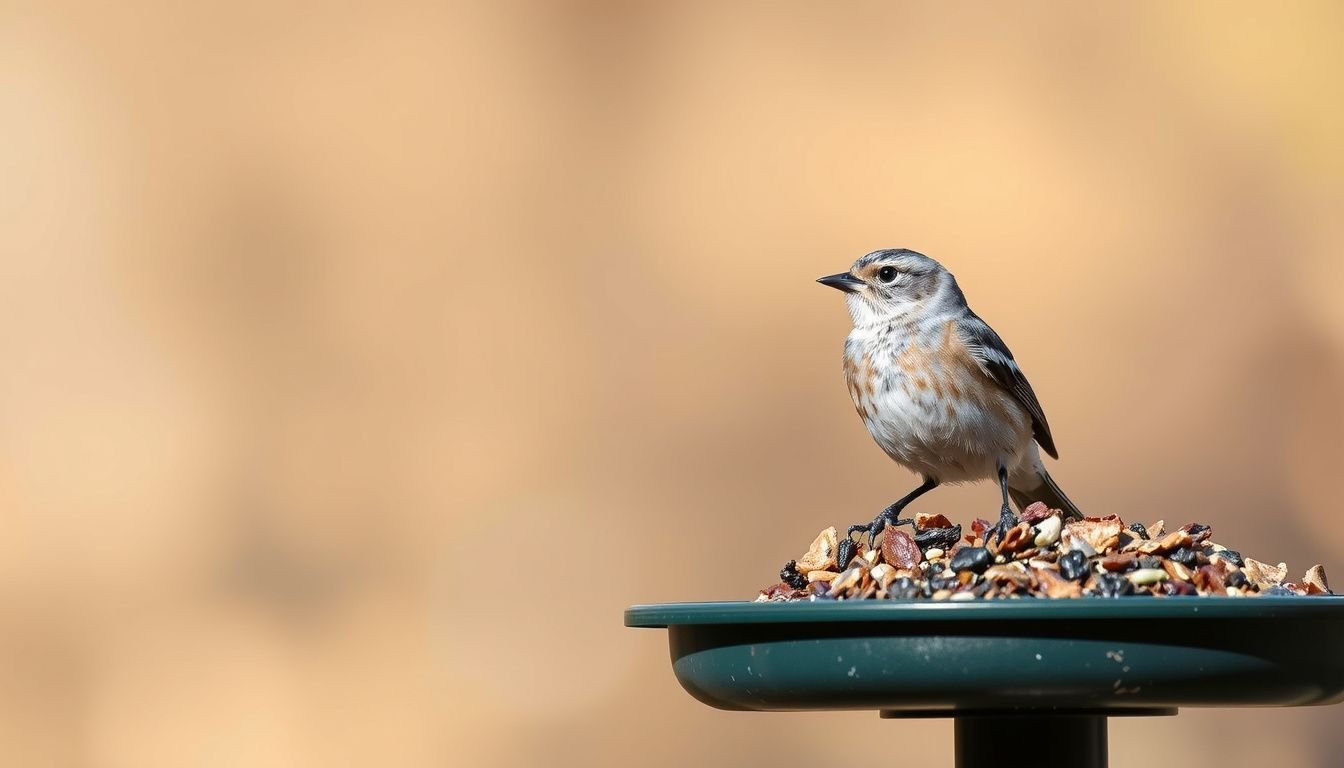
how do birds know where bird feeders are so quickly, even when a feeder seems “hidden” in a backyard? They’re not guessing. Birds combine sharp vision, learned routines, social cues, and habitat awareness to locate reliable food sources fast.
Most feeder visits start with one bird noticing a visual cue or hearing activity, then confirming the spot is safe and worth returning to. Over time, the feeder becomes part of a daily route, and the location spreads through flock behavior.
The sections below break down the main senses and behaviors that guide feeder discovery, plus practical steps that make a new feeder easier for birds to find and trust.
Quick Facts Box
- Primary “finder” sense: Vision (movement, contrast, shape, color)
- Fastest way feeders spread: Flock behavior and follow-the-leader feeding
- What slows discovery: Low visibility, heavy cover, frequent disturbances
- What speeds discovery: Consistent food, safe perches, steady routine
What Birds Are Looking For When They Search for Food
Birds don’t search randomly. They scan for signals that a spot offers calories, safety, and efficiency. A feeder that’s easy to access but hard to ambush becomes a repeat stop, especially in cold weather when energy needs spike.
They also evaluate food type. Seed-eaters look for small, high-fat options like sunflower hearts, while insect-eaters may focus on suet or mealworms. If the food doesn’t match local species, discovery can happen but repeat visits won’t.
- Reliable food: fresh seed, suet, nectar (season-appropriate)
- Safe structure: nearby cover with clear sightlines
- Low stress: minimal human/pet disturbance
How Vision Helps Birds Spot Feeders From Far Away
Vision is the main reason birds “find” feeders. Many species see fine detail and detect motion quickly, so a feeder silhouette, swinging movement, or birds already feeding can be visible from surprising distances.
Contrast matters. A dark feeder against snow, or a light feeder against dense evergreens, stands out. Placement that creates a clear line of sight from common flight paths (hedgerows, tree lines, fence lines) increases discovery.
Color can help, but it’s secondary to visibility and activity. Hummingbirds often respond to red accents, while seed birds respond more to shape, movement, and the presence of other birds.
- Hang feeders where they’re visible from open perches
- Use baffles and tidy setups that don’t “blend in” completely
- Let the feeder move slightly in the breeze for motion cues
How Smell and Taste Influence Feeder Discovery
Smell plays a smaller role for many backyard birds than people expect, but it isn’t irrelevant. Some birds can detect odors and may avoid rancid seed, moldy suet, or strong chemical smells near a feeder.
Taste shapes what they keep coming back for. If seed is stale, wet, or low in fat, birds may sample it and move on. Nectar that’s too concentrated or fermented can also reduce repeat visits.
For most feeder discovery, smell won’t “pull” birds in from far away. It works more as a quality-control filter once they arrive.
- Store seed dry and cool to prevent spoilage
- Clean feeders regularly to reduce off-odors and mold
- Use fresh nectar (no dye) and replace often in heat
How Sound and Motion Draw Birds to a New Feeder
Sound helps birds confirm opportunity. The flutter of wings, contact calls, and the tap of birds landing can signal “food here” to nearby birds. A quiet feeder can take longer to catch attention than one with steady activity.
Motion is a strong visual-and-safety cue. A feeder that sways gently suggests wind, not danger. Sudden, repeated motion—like a door slamming nearby—can do the opposite and keep birds away.
Some homeowners use sound makers, but it’s usually unnecessary. The best “sound cue” is simply birds feeding successfully and calling to each other.
- Place feeders away from noisy doors and high-traffic patios
- Provide stable landing spots to reduce frantic flapping
- Add a second feeder to reduce crowding and alarm calls
How Birds Use Memory and Routine to Return to Feeders
Once a bird finds a safe food source, memory takes over. Many species build daily routes, revisiting the same reliable spots at similar times. A consistent feeder becomes part of that routine, especially in winter and during nesting when energy demands are high.
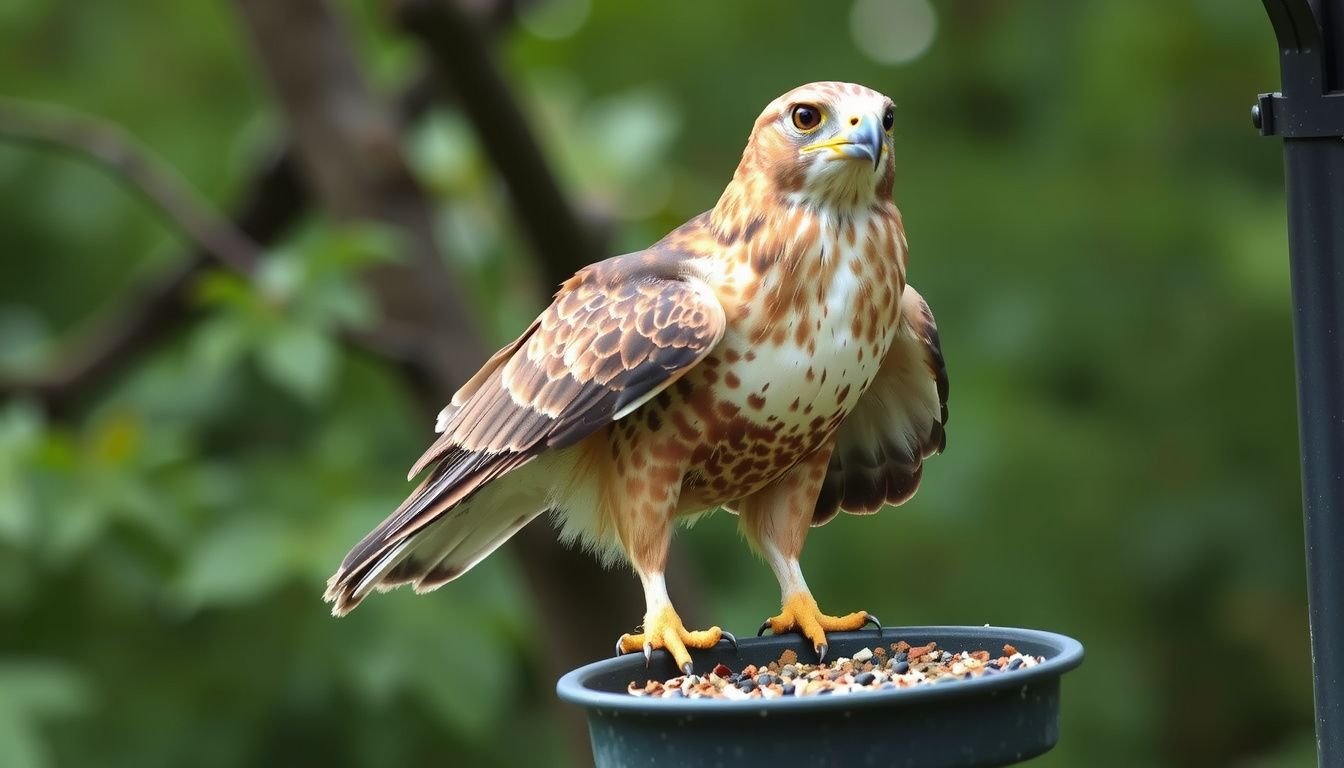
They also remember risk. If a cat ambushes near the feeder or a person repeatedly startles them, visits may drop even if the food is excellent.
Consistency is the fastest way to “lock in” a feeder location. When food appears at random, birds treat it as unreliable and keep searching.
- Refill on a predictable schedule
- Keep the feeder location stable for several weeks
- Maintain clear escape routes (near cover, not inside it)
How Flock Behavior Spreads Feeder Locations Quickly
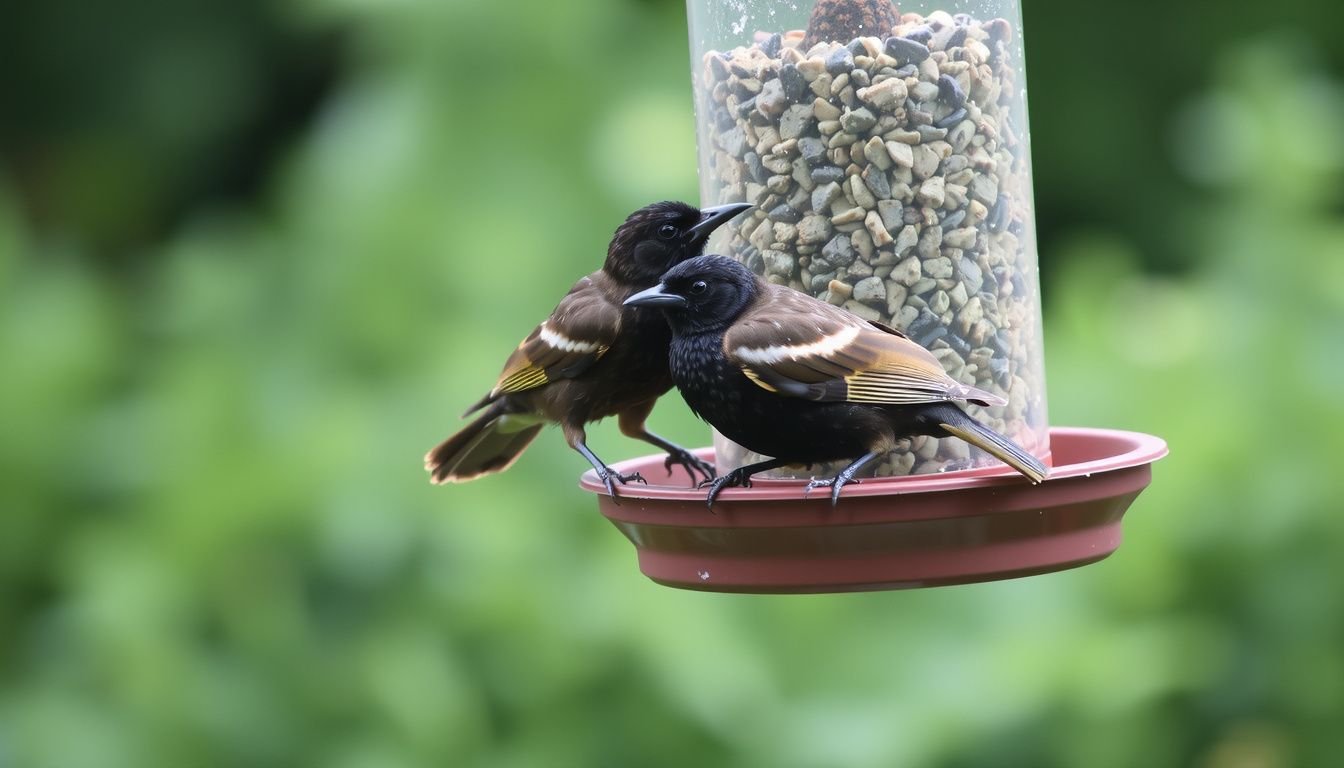
One bird often finds a feeder, then many follow. This is social information at work: birds watch where others feed, then copy the choice if it looks safe. Mixed flocks in fall and winter can spread feeder locations across a neighborhood.
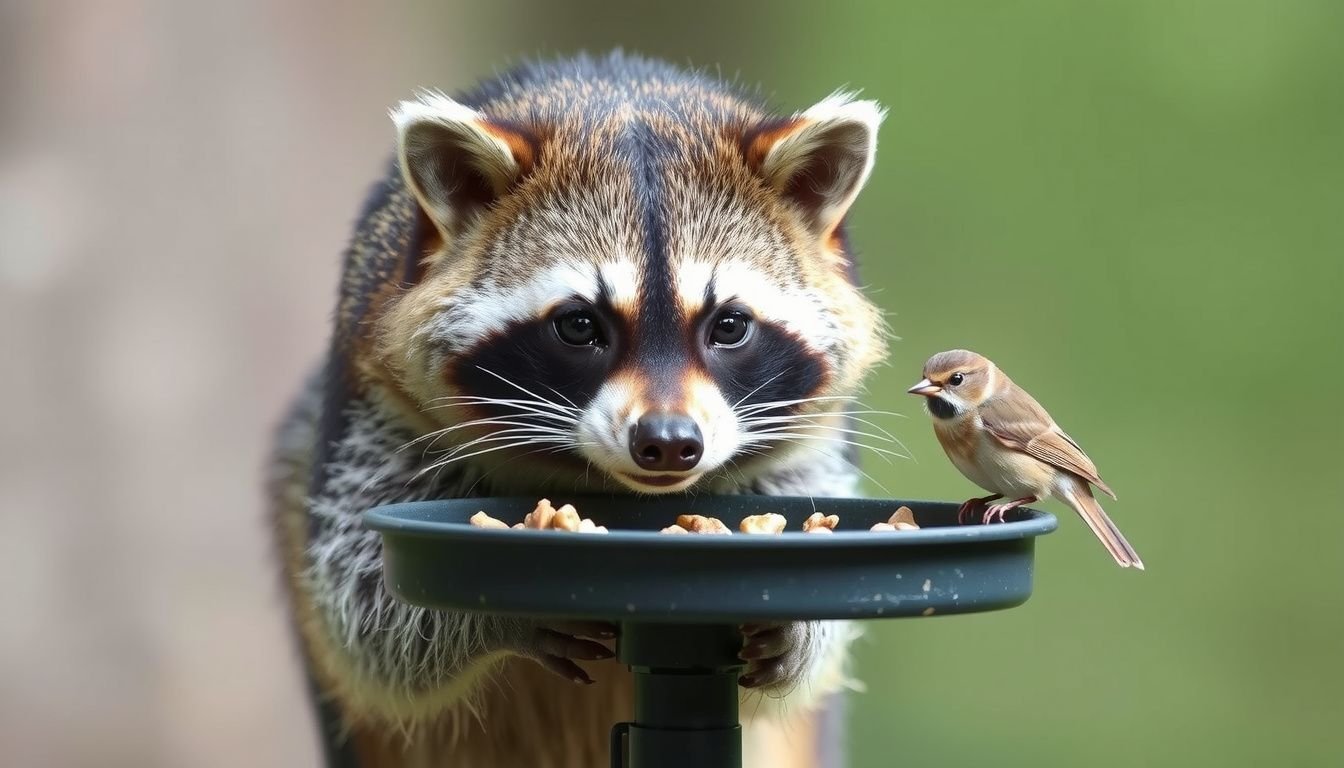
Dominant birds can shape traffic patterns. If a feeder is crowded or aggressively defended, timid species may avoid it even though they know it’s there. Multiple feeding stations reduce “gatekeeping.”
Look for the first regular visitor. Once that bird feeds calmly, others typically appear within days.
- Offer more than one feeder to reduce conflict
- Use different feeder styles for different species
- Provide ground feed only if predators are controlled
How Habitat, Weather, and Season Change Feeder Finding
Feeder discovery depends on what’s already available. When natural food is abundant—summer insects, fall mast crops—birds may ignore feeders for weeks. During cold snaps, storms, or late winter shortages, they search harder and take more risks.
Habitat structure also matters. In dense suburbs with mature trees, birds have more cover and more travel corridors, so they may locate feeders faster. In open areas, they may be cautious without nearby perches.
Migration changes the cast. New birds pass through, and they’ll sample feeders that are visible and active.
- Expect slower feeder traffic during natural food booms
- Boost high-energy foods during cold or wet weather
- Add perches or shrubs to create approach routes
How to Make a Bird Feeder Easier for Birds to Find
Visibility and trust are the two levers that matter most. A feeder should be easy to see from common perches, and it should stay consistent long enough for birds to learn it’s safe.
Practical example: A homeowner hangs a new tube feeder 6 feet from a maple tree, facing an open yard. They add black-oil sunflower seed, refill every morning for two weeks, and keep a cat indoors. Chickadees arrive first, then finches follow within days.
- Start with high-demand foods: black-oil sunflower, sunflower hearts, suet
- Place 5–10 feet from cover, with a clear view to spot predators
- Keep it clean, dry, and consistently stocked for at least 14 days
- Reduce disturbances: avoid sudden movements near the feeder
Frequently Asked Questions
How long does it take birds to find a new feeder?
It can be hours to a few weeks. Visibility, local bird density, and consistent food matter most. If the feeder is hidden or frequently empty, discovery and repeat visits slow down.
Do birds tell each other where feeders are?
They don’t “announce an address,” but they share information through behavior. Birds watch other birds feeding safely, then follow. Calls and flock movement also guide nearby birds to the same spot.
Can birds smell birdseed?
Most backyard seed-eaters rely more on sight than smell. Still, they can detect spoilage and may avoid rancid or moldy food. Clean feeders and fresh seed improve repeat visits.
Why do birds suddenly stop coming to the feeder?
Common reasons include a predator nearby, spoiled seed, an empty feeder, or abundant natural food. Seasonal shifts and dominance conflicts can also change feeder traffic without anything “wrong” at the feeder.
Final Thoughts
Birds find feeders through a practical mix of sharp vision, quick learning, and social copying. Once a feeder proves safe and reliable, memory and routine keep them coming back, and flock behavior spreads the location fast.
The best results come from simple choices: place the feeder where it’s visible, stock foods local birds actually want, keep it clean, and stay consistent long enough for trust to form. When conditions change—weather, season, predators—small adjustments in placement and food type usually bring birds back.
Related read: How to Keep Hawks Away From Bird Feeders Step-by-Step