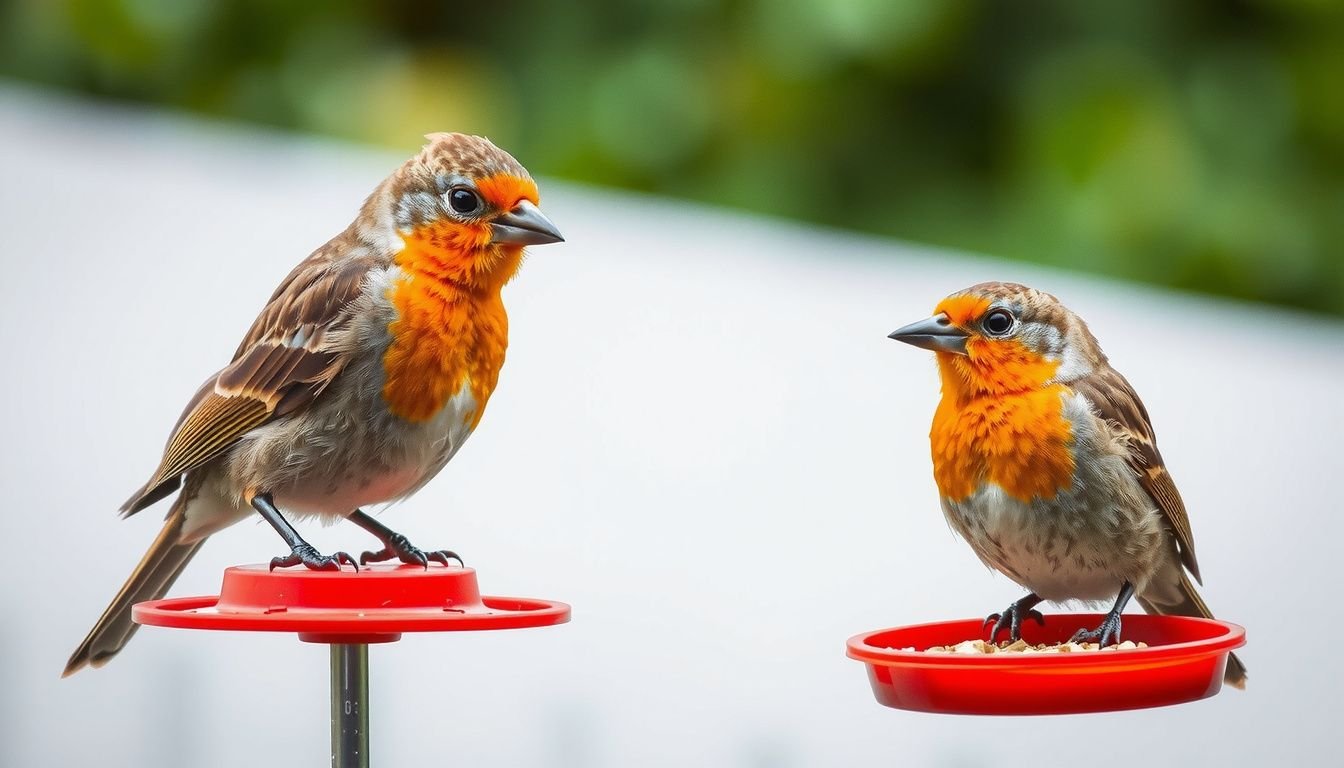
How do birds find bird feeders so quickly in some yards, yet ignore them in others? It looks like luck, but it’s mostly biology and neighborhood dynamics. Birds use sharp vision, pattern recognition, memory, and a steady stream of social cues to locate reliable food.
They also learn fast once they get a safe “first win” at a new feeder. Look, a feeder isn’t just a container of seed—it’s a visual landmark, a routine stop, and sometimes a gathering point that spreads by word-of-beak. The sections below break down the main ways birds discover feeders, what slows them down, and how to speed up discovery without stressing wildlife.
Quick Facts Box
- Primary sense used: Vision (color, contrast, movement)
- Smell: Limited for most backyard songbirds; stronger in a few groups
- Fastest “discovery” trigger: Seeing other birds feeding
- Typical discovery time: A few hours to a few weeks, depending on traffic and placement
- Best help: High-visibility placement + consistent refills + fresh seed
How birds locate feeders through vision and movement
For most common feeder visitors, vision does the heavy lifting. Birds scan for shapes, edges, and color contrast while moving through familiar routes like hedgerows, fence lines, and tree canopies. A feeder that stands out against its background is easier to notice, especially in early morning when birds are actively foraging.
Movement matters. Swaying feeders, fluttering seed hulls, or birds landing and launching create motion cues that pull attention from a distance. Once a bird spots a possible food source, it often “checks” it with a quick perch nearby before committing.
- Contrast: Dark feeder on light background (or vice versa) is easier to detect.
- Line of sight: Feeders visible from shrubs/trees get more visits.
- Motion cues: Gentle movement can help, but excessive swinging can deter.
Do birds smell birdseed? What scent can and can’t do
Most backyard songbirds don’t rely heavily on smell to find seed. Their olfactory systems are generally less developed than their visual systems, so “scent trails” aren’t a reliable way to attract them. That said, some birds—certain seabirds, vultures, and a few others—use smell more than typical feeder species.
Scent still plays a role, just not the way people expect. Rancid seed, moldy suet, and spoiled oils can smell “off” and discourage feeding, even if birds aren’t tracking the odor from far away. Freshness and cleanliness usually matter more than any attempt to add attractant scents.
- Can’t do: Consistently “call in” finches or chickadees from far away.
- Can do: Repel birds if seed is stale, wet, or moldy.
- Best practice: Store seed dry; clean feeders regularly.
How sound and routine help birds return to feeders
Sound rarely helps birds discover a feeder for the first time, but it can help them use it consistently. Birds learn the daily rhythm of a yard—when people are outside, when predators appear, and when food tends to be available. Once feeding feels safe and predictable, they build it into their route.
Small sounds can become cues. The clink of seed in a hopper, the flutter of wings at a busy feeder, or the chatter of flockmates can signal opportunity. Routine is the real accelerator: consistent refilling teaches birds that the location pays off, so they check it more often.
- Refill timing: Morning refills often match peak activity.
- Consistency: A “sometimes full” feeder gets less loyalty.
- Quiet zone: Lower disturbance near the feeder increases repeat visits.
Social learning: how one bird attracts others to a feeder
Many feeder birds are social foragers. When one bird finds a dependable food source, others notice and follow—sometimes within minutes. This is why a feeder can sit untouched for days, then suddenly become busy once a single bold bird breaks the ice.
Birds watch each other for safety cues too. If a bird feeds and leaves calmly, it signals low threat. Alarm calls, sudden flushes, or repeated predator encounters do the opposite.
Over time, local “information networks” form, and the feeder becomes part of the neighborhood map.
Practical example: A homeowner sets up a new tube feeder near a lilac bush. On day three, a pair of house finches land, feed briefly, and perch nearby. Within an hour, two goldfinches and a chickadee arrive, apparently drawn by the visible activity and calls.
Landscape and placement factors that make feeders easier to find
Placement can be the difference between instant success and weeks of silence. Birds prefer feeders that are easy to spot, easy to approach, and close to cover so they can retreat quickly. They also avoid locations that feel like ambush zones.
Good “discoverability” often comes from aligning the feeder with natural travel corridors. Edges—where lawn meets shrubs, or trees meet open space—are high-traffic. A feeder placed in the middle of an exposed yard can be visible yet still unused because it feels unsafe.
- Near cover: Place 6–12 feet from shrubs/trees (escape route without hiding predators).
- Clear window safety: Keep feeders within 3 feet of glass or beyond 30 feet.
- Visibility: Put feeders where birds can see them from common perches.
What slows discovery: common reasons birds ignore a new feeder
A new feeder isn’t automatically trusted. Birds may ignore it because it looks unfamiliar, the seed isn’t preferred, or the location feels risky. Predation pressure matters: if cats patrol nearby or hawks frequently pass through, birds may keep their distance.
Food quality is another common issue. Old seed, wet clumps, or empty feeders teach birds that checking isn’t worth the effort. Even “good” seed can be wrong for the local species—millet-heavy mixes may be ignored in some areas while sunflower draws quick interest.
- Wrong food: Try black oil sunflower, nyjer (for finches), or fresh suet.
- Too exposed: No cover, heavy foot traffic, or constant disturbance.
- Maintenance gaps: Dirty ports, mold, or inconsistent refills.
How to help birds find a feeder faster without disrupting them
The goal is to make the feeder obvious, safe, and consistently rewarding. Small changes work better than aggressive tactics like loud calls or frequent repositioning. Once birds begin visiting, stability helps them lock it into their routine.
Start with high-appeal foods and a simple setup. Use one feeder type at first, keep it clean, and refill before it runs empty. If birds are present in the area but not using the feeder, a minor relocation—closer to cover or into a clearer sightline—can trigger the first visit.
- Use “starter” seed: Black oil sunflower is widely preferred.
- Add perches nearby: A shrub or small branch gives a staging spot.
- Keep it steady: Avoid moving the feeder every day.
- Reduce threats: Keep cats indoors; trim ambush hiding spots.
People Also Ask
How long does it take birds to find a new feeder?
Discovery can take hours in a high-traffic yard or a few weeks in quieter areas. Visibility, nearby cover, and consistent fresh seed speed things up. Once one bird feeds, others often follow quickly.
Do shiny or colorful feeders attract birds faster?
High contrast can help birds notice a feeder, but extreme shine may look unnatural. Many species respond well to clear tubes showing seed or muted colors that stand out without glare.
Will bird calls or recordings bring birds to a feeder?
Recordings can confuse or stress birds and may attract territorial behavior. A safer approach is consistent food and a calm setup. Natural flock chatter from real visitors is a better cue.
Why are birds eating from the ground but not the feeder?
They may prefer easy access, dislike the feeder’s perches, or find the ports awkward. Try a platform feeder, adjust perch spacing, or switch to a seed type that matches the species feeding below.
60-Second Recap
- Vision leads: Birds spot feeders through contrast, shape, and movement.
- Smell is limited: Fresh seed matters more than scent-based “attractants.”
- Routine wins: Consistent refills teach birds the feeder is reliable.
- Social learning accelerates: One confident bird often brings others.
- Placement is pivotal: Visible feeders near cover get found and used faster.
- Common blockers: Exposure, predators, dirty feeders, stale seed, wrong mix.
- Best next step: Offer black oil sunflower, keep it clean, and hold the location steady for two weeks.