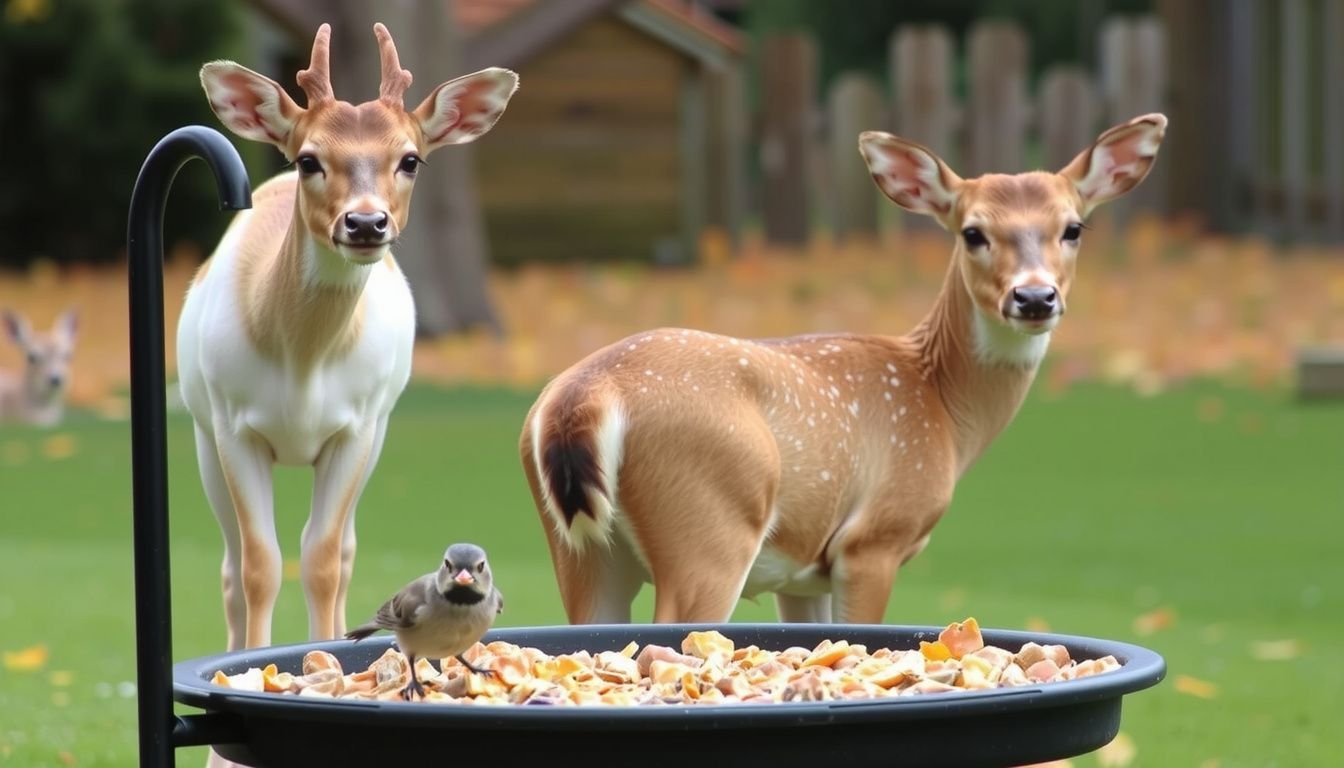
Anyone trying to learn how to keep deer out of bird feeders quickly realizes it takes more than one trick. Deer are persistent, strong, and surprisingly agile. They’ll stretch, push, and even knock feeders down to reach seed.
That means the solution has to be layered: smarter feeder placement, physical barriers, and consistent deterrents. This guide walks through each phase so a homeowner can protect birds without feeding the local deer herd. The focus is on simple changes that work in real yards, not just theory.
By the end, a reader will know how to evaluate their space, choose the right equipment, and maintain a long-term, low-maintenance setup that keeps birds happy and deer frustrated.
Understand Why Deer Target Bird Feeders
Deer hit bird feeders for one main reason: easy calories. Black oil sunflower, corn, and mixed seed blends are dense energy sources, especially in late fall, winter, and early spring when natural food is scarce. Once a deer learns a feeder is reliable, it will return nightly and often bring others.
They’re also opportunistic. Deer will investigate any food smell near the ground or along their travel routes. Feeders hung low, mounted on short poles, or placed near shrubs give them perfect access and cover.
Key deer advantages include:
- Height: Many can reach 6–7 feet when stretching.
- Strength: They can nudge poles, bend flimsy hooks, or topple stands.
- Habit: Once rewarded, they’ll pattern the yard into their nightly route.
Understanding these behaviors helps a homeowner design setups that are physically difficult and unrewarding for deer to exploit.
Assess the Yard and Choose Deer-Resistant Feeder Setups
Before changing hardware, they should walk the yard at dusk or early morning and look for deer sign: tracks, droppings, trampled beds, and beaten-down paths. These reveal primary entry points and travel corridors. Avoid placing feeders along those routes.
Next, they should evaluate existing feeders. Low shepherd’s hooks, flimsy poles, and deck rail mounts are high-risk. Deer can easily reach or knock them.
A better approach is to start with hardware that’s inherently harder for deer to use:
- Pole systems at least 6–7 feet tall with baffles.
- Hanging feeders suspended from strong tree branches with clear space below.
- Weight-activated feeders that close under heavy pressure.
Look, one practical example: A suburban homeowner moved feeders from a low deck rail to a 7-foot metal pole in the center of an open lawn, added a torpedo baffle, and switched to a weight-sensitive feeder. Deer stopped visiting within a week, but songbirds continued feeding normally.
Install Physical Barriers and Strategic Feeder Placements
Physical barriers are the most reliable defense. A well-placed baffle or fence doesn’t rely on scent, sound, or fear; it just blocks access. On pole systems, they should install a cylindrical or torpedo baffle 4–5 feet off the ground so deer can’t reach over or around it.
Feeder placement matters just as much:
- Hang feeders so the bottom is at least 6 feet above ground.
- Keep 6–8 feet of horizontal clearance from trunks, fences, or railings.
- Avoid overhanging shrubs that give deer cover or extra reach.
For yards with heavy deer pressure, a small dedicated “bird feeding zone” inside a fenced garden or dog-run style enclosure works well. A 6–8 foot fence around a compact area can exclude deer while allowing easy access for maintenance. Strategic lighting or motion-activated lights near feeders can also make deer less comfortable lingering.
Maintain Deterrents and Adjust the Strategy Over Time
Deer adapt. What scares them one week might be ignored the next. That’s why ongoing maintenance and small adjustments are critical.
Homeowners should inspect poles, baffles, and hooks monthly for bending, loosened hardware, or chew damage. Tightening and replacing worn parts keeps the system effective.
Rotating deterrents helps too. They can combine:
- Motion-activated sprinklers near known approach paths.
- Commercial deer repellents on surrounding plants, not on feeders.
- Visual cues like reflective tape or flags, moved periodically.
Seasonal adjustments matter. During harsh winters or droughts, deer pressure increases. Raising feeders a few inches, refreshing repellents more often, or temporarily pausing ground feeding can keep deer from forming new habits.
The goal is a dynamic setup that always feels difficult and unpredictable for deer, while remaining consistent and safe for birds.
What Readers Ask
How high should bird feeders be to keep deer out?
They should aim for the feeder’s bottom to be at least 6 feet off the ground, preferably closer to 6.5–7 feet. Combined with a proper baffle, that height keeps most deer from reaching seed.
Do deer-proof bird feeders really work?
Yes, when used correctly. Weight-activated or caged designs reduce access for deer and squirrels. They work best when paired with good placement, sturdy poles, and baffles that prevent physical contact.
Will certain bird seed types attract fewer deer?
Deer love corn, sunflower, and mixed seed. They’re less interested in nyjer (thistle) and straight safflower. Switching some feeders to nyjer or safflower can reduce deer appeal while still attracting finches and cardinals.
Is it safe to use chemical deer repellents near bird feeders?
They should never spray repellents directly on feeders or seed. Instead, apply them to nearby plants, mulch, or perimeter areas. Always follow label instructions to protect birds, pets, and beneficial wildlife.
Can fencing a small area around feeders stop deer?
Yes, a 6–8 foot fence around a compact feeding zone is highly effective. Deer rarely jump into tight spaces with poor landing room. A gated, fenced “bird garden” offers strong, low-maintenance protection.
Next Steps
Someone serious about protecting bird seed from deer should start with a quick yard assessment. Identify deer paths, low feeders, and vulnerable mounts. Then upgrade to tall, sturdy poles, install quality baffles, and reposition feeders into open, well-lit areas.
Next, they can layer in motion sprinklers or repellents along approach routes, and test less attractive seed types in some feeders. A simple notebook or phone log helps track what works each season. Over a few weeks, patterns emerge, and minor tweaks lock in a long-term solution.
With a thoughtful, stepwise approach, they’ll keep birds well-fed while teaching local deer that the yard just isn’t worth the effort.