Trying to figure out how to stop squirrels climbing bird feeders can be maddening. Squirrels are quick, persistent, and clever, making them a constant challenge for bird lovers. Their relentless appetites often empty feeders in hours and can deter birds entirely.
This guide lays out the true reasons squirrels target feeders, analyzes their climbing skills, and delivers expert advice on physical barriers, repellents, and feeder choices. Readers will also find actionable comparisons between do-it-yourself solutions and commercial products, plus tips for ethical and ongoing prevention. By the end, anyone can confidently protect their bird feeders and keep the birds coming back—without harm to the local squirrel population.
Understanding Why Squirrels Target Bird Feeders
Squirrels are opportunistic feeders drawn to the high-fat, high-protein seeds typically used in bird feeders. These foods are calorie-rich and much easier to access than foraging for nuts or acorns. The proximity of feeders to trees, fences, or buildings further encourages squirrels, as these elements provide cover and climbing access.
Best For: Anyone noticing frequent squirrel visits or rapid seed depletion.
- Pros: Understanding motivation helps tailor solutions; reduces wasted effort.
- Cons: Doesn’t prevent squirrels—knowledge is only the first step.
One homeowner noticed squirrels raiding feeders daily. By observing their routes and food preferences, they selected deterrents tailored to those habits, increasing success dramatically.
Common Squirrel Behaviors and Climbing Techniques
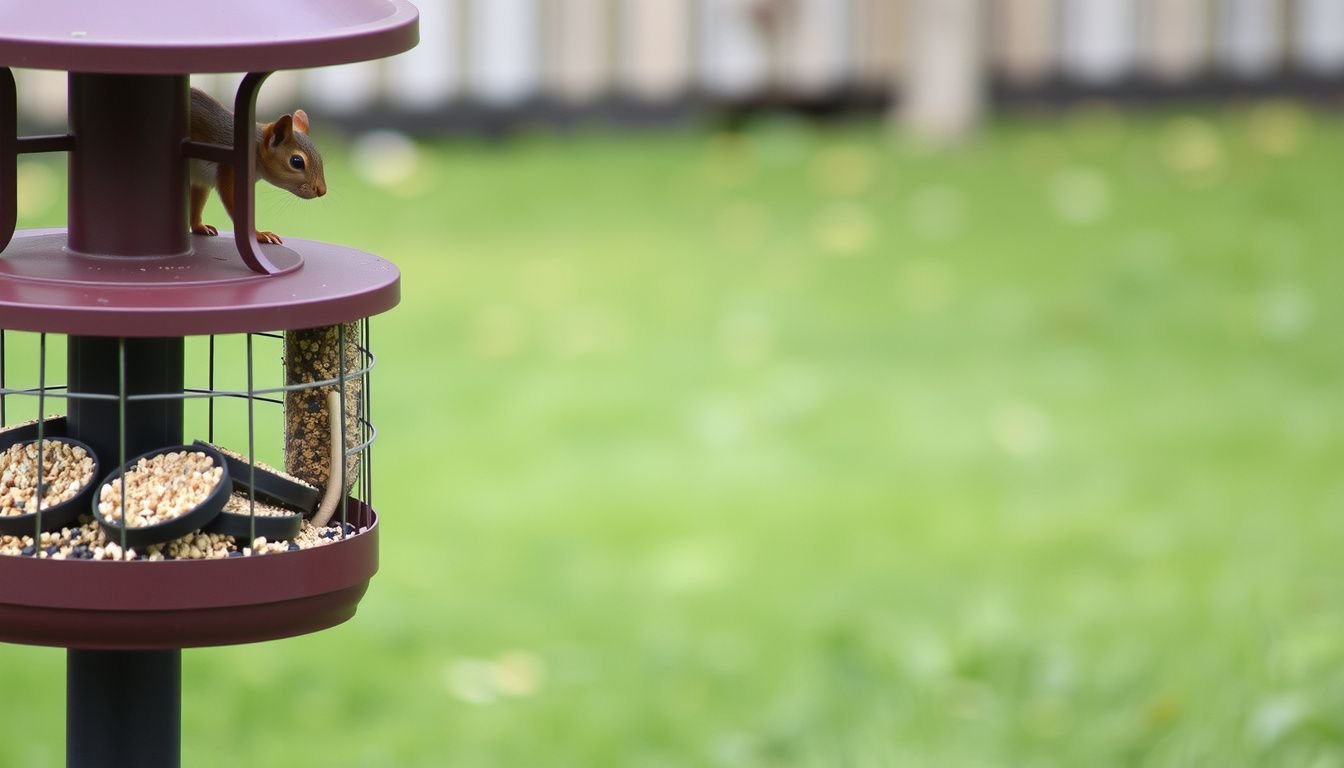
Squirrels possess strong hind legs and sharp claws, allowing them to leap up to 10 feet horizontally and climb slick poles. They often approach from above by jumping down from branches or from below by scaling posts or fences. Adaptable and persistent, they’ll test multiple access points and quickly learn from failed attempts.
Best For: Users attempting to outsmart especially persistent or acrobatic squirrels.
- Pros: Knowing behaviors makes barriers and deterrents more effective.
- Cons: Squirrels may adapt, requiring regular strategy updates.
Best for: Who Benefits Most from Squirrel-Proofing Solutions
Squirrel-proofing is most beneficial for those who:
- Live near wooded or suburban areas with high squirrel populations.
- Invest in costly seed blends or specialty feeders.
- Wish to attract shy or rare bird species deterred by frequent squirrel visits.
Best For: Dedicated bird enthusiasts, homeowners with multiple feeders, or gardeners protecting crops.
- Pros: Saves money on seed; supports bird diversity.
- Cons: Initial investment in barriers or feeders can add up.
Physical Barriers: Baffles, Domes, and Placement Strategies
Physical barriers remain the most effective method for stopping squirrels. Popular options include:
- Baffles: Dome- or cone-shaped shields installed above or below feeders.
- Domes: Overhead shields that block drops from above.
- Placement: Keeping feeders at least 10 feet from launch points and 5 feet above ground.
Best For: Anyone seeking a long-term, low-maintenance solution.
- Pros: Works passively; no chemicals needed; humane.
- Cons: Installation can be tricky; not always visually appealing.
Repellents and Deterrents: Evaluating Chemical and Natural Options
Repellents use taste, scent, or physical discomfort to deter squirrels. Common choices:
- Capsaicin-based sprays or seed coatings (spicy, but birds are unaffected).
- Commercial squirrel repellents (sprays, granules).
- Natural deterrents (peppermint oil, predator urine, cayenne pepper).
Best For: Those needing temporary deterrence or added protection with barriers.
- Pros: Easy to apply; safe for birds (if used correctly).
- Cons: Requires frequent reapplication; may wash away in rain; variable effectiveness.
Choosing Squirrel-Proof Bird Feeders: A Buying Guide
Squirrel-proof feeders use weight-activated mechanisms, caged designs, or slippery surfaces to deny access. Key features to compare:
| Design | Effectiveness | Best For | Pros | Cons |
|---|---|---|---|---|
| Weight-Activated | High | Mixed bird species | Very reliable; easy to refill | Higher cost; moving parts may jam |
| Caged Feeders | Moderate | Small birds only | Blocks squirrels & large birds | Can exclude larger desired birds |
| Slippery Tubes | Moderate | Casual users | Simple design | Persistent squirrels may adapt |
Best For: Bird watchers wanting set-and-forget solutions.
Comparing DIY Methods vs. Commercial Products
DIY methods include PVC pipe covers, homemade baffles, or greasing poles. While cost-effective, these solutions often need frequent upkeep and may not be as durable or attractive as commercial versions.
- Pros (DIY): Low cost; customizable; quick to implement.
- Cons (DIY): Shorter lifespan; inconsistent results; may need reapplication after rain or wear.
- Pros (Commercial): Purpose-built; long-term durability; often more aesthetically pleasing.
- Cons (Commercial): Higher upfront cost; less flexibility.
Best For: DIY for tinkerers on a budget; commercial for busy or design-focused users.
Safety and Ethical Considerations in Squirrel Control
Effective squirrel-proofing should always prioritize the well-being of both birds and squirrels. Avoid glue traps, poisons, or any solutions that may cause harm or suffering. Choose humane deterrents and ensure barriers do not trap or injure wildlife.
Best For: All users—especially families, schools, and public gardens.
- Pros: Supports local ecology; avoids legal or moral concerns.
- Cons: May require more creativity and patience.
Maintaining Success: Tips for Ongoing Squirrel Prevention
Even the best setup needs regular checks. Inspect barriers for damage, clean feeders, and rotate deterrents to prevent squirrels from adapting. Consider refilling feeders in the morning when squirrels are less active and offering alternative food sources, like a dedicated squirrel feeder, to redirect their interest.
Best For: Anyone wanting consistent bird visits year-round.
- Pros: Long-term effectiveness; supports healthy bird populations.
- Cons: Requires ongoing attention; not “set-and-forget.”
Quick Answers
How high should I hang my bird feeder to keep squirrels away?
Hang feeders at least 5 feet off the ground and 10 feet from any launching points like trees or fences for best results.
Are spicy seeds safe for birds?
Yes. Birds lack receptors for capsaicin, so spicy-coated seeds deter squirrels without harming or bothering birds.
Does greasing the pole work?
It works temporarily, but squirrels may persist. Some greases can harm wildlife or stain, so use caution and avoid petroleum-based products.
Can I use motion-activated sprinklers as a deterrent?
Yes. Motion-activated sprinklers can startle and deter squirrels but may also startle birds or pets. Use with awareness of placement.
Will adding a squirrel feeder help?
In some cases, supplying a dedicated squirrel feeder with corn or nuts can distract squirrels and reduce raids on bird feeders.
What This All Means
Stopping squirrels from climbing bird feeders is a continual process involving observation, ethical solutions, and periodic adjustments. Combining physical barriers, smart feeder placement, and—if needed—taste-based repellents proves most effective. By understanding squirrel behavior and using the right tools, anyone can enjoy a lively, squirrel-minimized backyard full of birds.